
 Türkçe
 Français
 Deutsch
 Nederlands
 Svenska

Turkey is one of the most preferred countries in the region in the field of dentistry, with highly academically qualified specialists and clinics equipped with modern infrastructure. High success rates and patient satisfaction in aesthetic, surgical, and orthodontic procedures are particularly noteworthy.
In advanced dental treatments such as implantology, zirconium crowns, and smile design, clinics in Turkey provide services using state-of-the-art equipment. Thanks to CAD/CAM systems and digital intraoral scanners, treatments become both faster and more comfortable.
Dental hospitals in Turkey strictly adhere to sterilization, hygiene, and patient safety protocols. In centers with international accreditations, dentists who offer permanent solutions both aesthetically and functionally are employed.
Within the scope of health tourism, dental treatment processes are offered to patients who choose Turkey through an integrated service model. With pre-treatment online consultations, cost-effective packages, accommodation, and transfer support, dental treatment planning becomes easy and accessible.
Strong and Well-Established Dental Education
Dental education in Turkey has been conducted for many years within the framework of defined academic standards. Faculties of dentistry place great emphasis not only on theoretical knowledge but also on clinical practice. Throughout their education, students encounter different patient profiles and have the opportunity to closely observe various oral and dental health problems.
This intensive practical experience contributes to the early development of professional competence after graduation. In addition, many dentists choose to continue their academic education after graduation or receive additional training in specific fields (such as implantology, orthodontics, and periodontology). This approach plays an important role in maintaining professional up-to-dateness.
A Professional Culture Open to Continuous Development
A large proportion of professionals working in the field of dentistry in Turkey do not view professional development as being limited solely to obtaining a diploma. Congresses, seminars, certificate programs, and international scientific meetings contribute to keeping dentists’ knowledge and skills up to date.
This culture of continuous learning is also reflected in clinical practice. New treatment approaches, up-to-date materials, and solutions tailored to different patient needs are adopted more quickly in the field. However, it is particularly emphasized that not every new practice may be suitable for every patient, and that clinical evaluation must be carried out on an individual basis.
Modern Dental Hospitals and Clinical Infrastructure
Dental hospitals and oral and dental health centers in Turkey also stand out in terms of physical infrastructure. Many centers are designed with a contemporary architectural approach and offer spaces that prioritize patient comfort. From waiting areas to treatment rooms, many elements are designed to reduce patients’ anxiety levels.
Digital imaging systems, three-dimensional tomography devices, and computer-assisted planning tools are widely used in diagnosis and treatment processes. These technologies serve a supportive role in the clinician’s evaluation; however, they are not sole decision-makers. The final approach is always determined by taking into account the patient’s overall health status and expectations.
An Approach Focused on Patient Experience
One of the prominent aspects of dental services in Turkey is the importance given to patient experience. Patients generally seek not only technical treatment but also to be understood and informed. At this point, dentists’ communication skills play a significant role.
Detailed consultations conducted before the treatment process allow patients to express their concerns. Applicable options are explained together with their advantages and limitations. This approach enables patients to participate in the process more consciously. It is especially emphasized that there is no single standardized path for everyone and that decisions in oral and dental health are individualized.
The Parallel Development of the Public and Private Sectors
In Turkey, oral and dental health services are provided by both the public and private sectors. While public hospitals serve large patient populations, private clinics and hospitals can develop more personalized service models. The balance between these two structures contributes to the overall improvement of service quality.
A competitive environment encourages clinics to improve themselves and prioritize patient satisfaction. However, this does not mean that every center operates at the same standard. It is important for patients to consider factors such as the dentist’s experience, clinical equipment, and communication style when making a choice.
International Patient Experience and Cultural Adaptation
Turkey’s geographical location and cultural diversity can facilitate the adaptation process for patients coming from different countries. Patients arriving from abroad often seek support not only medically but also in terms of communication and organization during the treatment process.
Many dental hospitals offer multilingual communication opportunities for international patients and strive to make the process more understandable. While this contributes to Turkey’s increased visibility on the international stage, it should not be forgotten that each patient’s expectations and clinical needs are different.
Ethical Approach and Professional Responsibility
Ethical principles and a sense of professional responsibility hold an important place in dental practices in Turkey. Creating realistic expectations during treatment planning, protecting patients from unnecessary procedures, and referring cases that require specialist opinions are fundamental elements of this approach.
It is clearly stated that no treatment is “the best” or “guaranteed to produce results” for everyone. Oral and dental health is closely related to overall health, and every intervention requires an individualized evaluation.
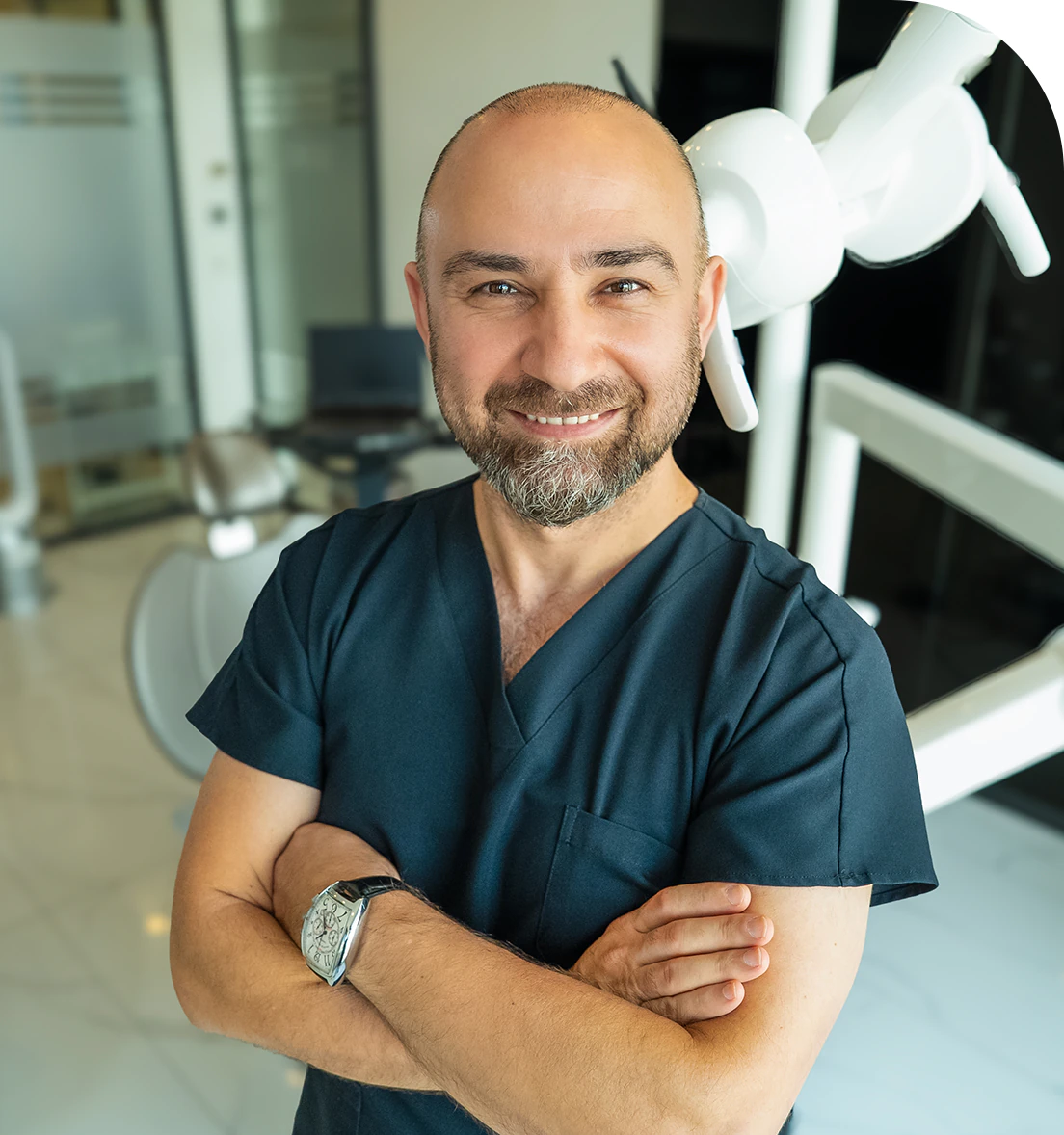
Dr. Dt. Ömer Atar provides care at his private clinic in Istanbul, combining his academic background and many years of clinical experience in dentistry. With a treatment approach that integrates aesthetic and functional solutions, he aims to achieve natural, balanced, and long-lasting results through personalized planning for each patient. Dr. Atar completed his education at the Marmara University Faculty of Dentistry, which he began in 1994, graduating in 2000. He continued his academic work in the Department of Prosthodontics at the same university. In 2007, he earned his PhD degree with his scientific thesis on implants and implant-supported prostheses in patients undergoing distraction osteogenesis. His academic expertise deepened in the fields of metal-free aesthetic systems, implant-supported prostheses, and cosmetic dentistry. Integrating modern technologies and digital dentistry into his practice, Dr. Ömer Atar achieves high success rates in treatments such as smile design, All-on-4/All-on-6 implant treatments, laminate veneers, zirconium crowns, teeth whitening, and gingival aesthetics (gummy smile). As a member of EDAD (Turkish Academy of Aesthetic Dentistry), he embraces a holistic approach focused on modern, functional, and natural outcomes in aesthetic dentistry.


