
 Türkçe
 Français
 Deutsch

Gum surgery, also known as flap operation, in Turkey is a periodontal procedure performed to treat advanced gum disease by lifting the gum tissue, removing infected deposits, and reshaping underlying bone structures to restore oral health and prevent tooth loss.
Cost of gum surgery in Turkey is generally more affordable compared to many European countries, while maintaining high clinical standards. Treatment fees vary depending on disease severity, number of treated areas, clinic infrastructure, and the expertise of the periodontist performing the procedure.
Recovery process after flap operation in Turkey typically involves mild swelling and sensitivity that subside within several days. Patients are advised to follow prescribed medications, maintain meticulous oral hygiene, and attend follow-up visits to ensure proper healing and long-term periodontal stability.
Advantages of undergoing periodontal flap surgery in Turkey include access to experienced dental specialists, modern clinical facilities, and comprehensive treatment planning. Clinics often provide individualized care protocols that support functional improvement, aesthetic outcomes, and sustained gum health.
| What You Need to Know | Information |
| Definition | The flap operation is a surgical procedure applied in advanced gum diseases (especially periodontitis). The gum tissue is lifted, and the underlying root surface and infected bone are cleaned, after which the gum is sutured back into place. |
| Purpose | The aim is to clean deep pockets formed under the gums, remove infected tissues, and stop the progression of bone loss. It also enables the reshaping of the gum tissue. |
| When It Is Applied | – Deep periodontal pockets (5 mm and above) – Infections that do not heal after unsuccessful curettage – Advanced periodontitis cases with a high risk of tooth mobility – Gum recessions causing aesthetic problems |
| Application Process | Performed under local anesthesia. The gum tissue is lifted with a small incision, and the infected root surface and bone are cleaned. If necessary, bone reshaping or bone grafting procedures are applied. The gum is then closed and sutured. |
| Procedure Duration | It may take between 45 minutes and 1.5 hours for a single jaw. It may vary depending on the treatment area and the extent of the disease. |
| Postoperative Period | – Swelling, mild bleeding, and sensitivity may occur in the first few days – Cold compress is recommended – Antibiotics and painkillers are prescribed – Liquid and soft foods are advised – Oral hygiene must be observed |
| Removal of Stitches | Stitches are usually removed after 7–10 days. A follow-up check is conducted during this period. |
| Advantages | – Complete cleaning of deep pockets – Infection is brought under control – The risk of tooth loss is reduced – Aesthetic and functional improvement is achieved |
| Possible Complications | – Temporary tooth sensitivity – Gum recession – Aesthetic losses (especially in front teeth) – Infection at suture sites (rare) |
| Healing Process | Basic healing is achieved in an average of 2–3 weeks. However, complete tissue healing may take 1–2 months. Regular follow-up and professional care are important during this period. |
| Requirements for Long-Term Success | – Effective daily oral care – Quitting smoking – Regular dental check-ups – Periodic professional tartar cleaning if necessary |
What Is Gum Surgery?
Gum surgery is a surgical treatment method applied in the advanced stages of gum diseases. It is performed to restore the health of the gums and surrounding tissues in conditions such as periodontitis. Cleaning of gum pockets, correction of gum levels, or graft applications may be included in this surgery. It is performed under local anesthesia and the healing process varies from person to person.
What Are the Main Goals of a Flap Operation?
When we decide on a flap operation, our only goal is not to clean tartar. This operation has multiple objectives, each aimed at prolonging the life of the tooth. First and foremost, we aim to completely eliminate the inflammation in the areas where the disease is active, i.e., where the “fire” is still burning. Preventing the infection from continuing to erode the bone is our primary task.
Our second and perhaps most critical goal is to create a “cleanable” oral structure. As long as deep pockets remain, no matter what you do at home, you cannot achieve proper hygiene. With this operation, we try to make those deep pockets shallower so that your toothbrush and dental floss can reach them. In other words, we actually prepare a suitable ground for you to maintain your own oral care.
Another goal is to restore the tissues lost due to the disease. In suitable cases, we try to reconstruct the resorbed jawbone and receded gums using bone grafts or special membranes. This is called regeneration.
The main outcomes we expect from the operation are as follows:
- Stopping the infection
- Shallowing of the pockets
- Cleaning of root surfaces
- Correction of bone shape
- Tissue regeneration
- Prevention of tooth loss
- Elimination of bad breath
What is done during the preoperative preparation phase?
Before starting the surgery, we conduct a very detailed examination of our patient. This is not limited to the inside of the mouth. Your general health condition directly affects the success of the operation and the healing process. For example, uncontrolled diabetes can seriously impair wound healing. Or medications used by patients with heart disease can increase the risk of bleeding.
Therefore, during the first consultation, we investigate the patient’s medical history like a detective. High blood pressure, heart valve problems, blood clotting disorders, or allergies are vital information for us. In patients using blood thinners, we always consult with their physician to adjust the medication. We cannot ignore any risk.
Additionally, at this stage, the patient must also be psychologically ready for the procedure. What will be done, the risks, alternatives, and post-operative expectations are clearly discussed. The “consent form” we obtain from our patients is not only a legal document but also an indication that the patient has understood the process and is ready to cooperate. Because periodontal treatment requires joint effort between doctor and patient. Even if we perform the most perfect surgery, if the patient does not follow care rules, our chances of success decrease.
Will there be pain or discomfort during the operation?
This is usually the biggest question and fear in the mind of the patient sitting in the chair: “Will it hurt a lot?” I can tell you with complete sincerity that you will not feel pain during a flap operation. The procedure is performed under local anesthesia, meaning only the relevant area is numbed. Modern anesthetic agents are so effective that they completely block nerve conduction in the area.
The only sensation you may feel during the operation is a sense of touch. You might sense that we are working in that area, feel the movement of instruments or slight pressure. This is related to pressure-sensing receptors and is completely different from pain. There is absolutely no sharp pain, stinging, or pricking sensation.
If the operation is prolonged or the anesthesia wears off quickly due to your metabolism, we immediately apply additional anesthesia at the slightest discomfort. Your comfort is also essential for us to work comfortably. If the patient is tense and in pain in the chair, it becomes harder for the surgeon to perform delicate work. Therefore, a pain-free procedure is in the interest of both parties. The duration of the operation may vary between 45 minutes and 1.5 hours depending on how many teeth are treated and the complexity of the procedure (e.g., whether bone grafting will be applied).
What are the surgical steps and how is a flap operation performed?
When the day of the operation arrives, we act with a specific discipline. I would like to describe the process step by step so you can visualize it. First, we start by numbing the working area with powerful anesthetics. We never pick up the scalpel until we are sure that numbness is fully achieved.
Next, we make a thin incision on the gums at the level of the tooth necks as planned. This incision is the entry point that allows us to separate the gum from the underlying bone. The word “flap” comes from this; we lift the gum off the bone like the flap of an envelope. Once the gum is lifted, we see the tooth roots and jawbone, which are normally hidden, in full view. At that moment, we can clearly observe the true extent of the disease and the damage to the bone.
Once the field of view is open, cleaning begins. We remove the “granulation tissue”—a bleeding and inflamed tissue produced by the body in response to infection, but which has now become a source of infection itself. Then we focus on the root surfaces. We scrape off the tartar on the roots and the rough, diseased layer infiltrated by bacteria using special instruments. This is called “root surface planing.” The goal is to obtain a smooth, clean root surface like glass so that the gum can reattach to it.
Some of the surgical instruments used include:
- Scalpel
- Elevators
- Curettes
- Pincettes
- Suture kits
- Saline solution
After cleaning, we examine the bone. If sharp protrusions or craters have formed in the bone due to the disease, we smooth them out by trimming. If bone loss is appropriate, we add bone grafts at this stage. In the final stage, we reposition the lifted gum tissue—sometimes at a slightly lower level—and secure it with sutures. If necessary, we cover the surgical area with a special gum-like paste (pack) to protect it.
How is the decision made on which flap technique to use?
Every patient’s oral anatomy, type of bone loss, and aesthetic expectations are different. Therefore, we do not have a single surgery method. We select different techniques based on the situation. For example, when working on the front teeth, aesthetics are very important to us. After surgery, we do not want the gums to recede and expose the tooth roots, making the teeth appear longer. In this case, we prefer tissue-conserving techniques such as the “Modified Widman Flap,” which do not involve cutting away the gum. The aim here is not so much to eliminate the pocket entirely, but to ensure the tissue reattaches to the tooth.
However, in posterior regions where aesthetics are not critical but the pockets are very deep, our strategy may differ. Here, the priority is to eliminate the pocket. In a technique called “Apically Positioned Flap,” we suture the gum after cleaning to a lower position, toward the root apex. This reduces pocket depth to zero, making it very easy for the patient to clean that area, although the root may be slightly exposed.
In short, the following factors influence the choice of technique:
- Aesthetic expectation
- Pocket depth
- Type of bone loss
- Gum thickness
- Amount of attached gum
What risks and complications may occur after the operation?
As with any surgical procedure, some undesirable situations may occur in periodontal surgery as well. Knowing these is important so that you don’t panic and can manage the process. The most common postoperative condition is swelling. A slight swelling on your cheek is a natural response of the body to surgery. This swelling usually peaks within 2–3 days and then subsides. We control this with cold application.
Pain is generally not as severe as patients fear. It can be easily controlled with painkillers prescribed by your doctor. Minor bleeding on the first day, such as staining your pillow, is normal. However, persistent, heavy bleeding is not expected and requires intervention.
In the long term, the most common side effect is gum recession and related sensitivity. When we heal inflamed and swollen gums, the edema subsides and the gum returns to a healthy, tight form. This shrinkage may cause the tooth roots to be partially exposed. The exposed root surfaces can cause sensitivity to hot and cold. Additionally, spaces may form between the teeth.
Rare but possible risks include:
- Severe bleeding
- Infection development
- Temporary loss of sensation
- Permanent nerve damage
- Increased tooth mobility
- Hematoma
- Jaw joint pain
How should nutrition and care be in the first 24 hours?
The moment you leave surgery marks the beginning of the most critical phase of healing. What you do or don’t do in the first 24 hours directly affects the cessation of bleeding and the quality of the blood clot. Our first rule: For 2 hours after the operation, you should not eat anything until the numbness wears off. While numb, the risk of biting your lip or cheek is very high.
For nutrition, we apply the “cold and soft” principle on the first day. Hot food and beverages can dilate blood vessels and restart bleeding. So even if you drink soup, it must be warm, not hot. Avoid granular, hard, crunchy, and shell-covered foods. These can pierce the wound site or get stuck between stitches.
Recommended foods include:
- Yogurt
- Mashed potatoes
- Pudding
- Warm soup
- Ice cream
- Ayran (a yogurt-based drink)
- Pasta
Foods to avoid include:
- Hot tea
- Coffee
- Cola
- Spicy foods
- Chips
- Crackers
- Nuts
Additionally, you should absolutely not spit or rinse your mouth in the first 24 hours. Spitting creates negative pressure (a vacuum effect) in the mouth. This can dislodge the blood clot that forms at the wound site and initiates healing. If the clot comes off, bleeding may resume and healing will be delayed.
What are the oral hygiene and cleaning rules?
After the operation, patients often worry, “Will brushing that area remove the stitches?” This is a valid concern, but abandoning oral hygiene completely invites infection. A proper balance is required here. You should continue brushing your teeth in the non-operated areas as usual.
However, our approach to the surgical site is different. We should avoid touching the area with stitches using a toothbrush. If your doctor has placed a pink protective paste (pack) over that area, you should not brush over it either. During this period of incomplete brushing, chemical cleaning—i.e., mouth rinses—comes to the rescue.
We usually prescribe special antiseptic rinses containing “chlorhexidine.” You should use these rinses in the morning and evening after brushing your teeth. However, one very important detail: after rinsing, do not eat or drink anything, including water, for at least 1 hour. The active ingredient in the rinse needs time to adhere to tooth surfaces and gums and take effect. Drinking water immediately will wash the medication away.
Cleaning rules to be followed include:
- Using a soft toothbrush
- Gentle brushing motions
- Using antiseptic mouthwash
- Saltwater rinses
- Caution when using dental floss
How does smoking affect healing?
As physicians, our stance on this matter is very clear: Smoking is the biggest threat to the success of periodontal treatment. The toxic substances and nicotine in cigarette smoke cause constriction of capillaries in the gums. When blood vessels constrict, blood flow to the area is reduced. Yet for healing, we need abundant blood flow rich in oxygen, nutrients, and immune cells to the area:
Poorly vascularized tissue heals slowly and becomes susceptible to infection. Especially if we have performed advanced procedures such as bone grafting or gum grafting, smoking can block the nourishment of these materials, causing the treatment to fail completely and the bone graft to resorb. In smoking patients, the risk of stitches opening and tissue necrosis is significantly higher.
Therefore, it is vital to avoid smoking for at least 4–5 days after simple flap surgeries, and at least 3–4 weeks after procedures involving grafts. In fact, if possible, you should see this period as an opportunity to quit smoking altogether—this would be the greatest favor you could do for your teeth to stay in your mouth long-term.
Does the disease recur after treatment?
Undergoing a flap operation does not mean you are cured of gum disease for life. Periodontitis is a chronic disease, like diabetes or hypertension, and must be kept under control. With surgery, we clean the existing damage, correct the anatomy, and give you a “clean slate.” But keeping that slate clean is entirely up to you.
If you neglect oral care after the operation, don’t use dental floss, and skip check-ups, bacteria will accumulate again. Pockets will deepen, and the disease will recur. That’s why treatment doesn’t actually end with surgery—it begins with it. For a successful result, the patient must adopt a lifelong care discipline.
Things to be done regularly include:
- Brushing twice daily
- Daily interdental cleaning
- Check-ups every six months
- Professional tartar cleaning
- Healthy nutrition
Before & After Photos


Frequently Asked Questions
In which cases is gum surgery necessary?
Gum surgery is preferred in cases of advanced periodontitis where deepening of gum pockets, bone loss, or tartar buildup cannot be resolved with routine cleaning.
What is done during a flap operation?
Under local anesthesia, the gum is cut and lifted, root surfaces and inflamed tissues are cleaned. If necessary, bone reshaping is done, and the gum is repositioned and sutured.
Is pain and swelling normal after flap surgery?
Yes, mild pain, swelling, and sensitivity that may last for a few days are expected. These can be managed with painkillers and cold application as advised by your doctor.
How long does it take to heal after gum surgery?
Gums generally heal significantly within 1 to 2 weeks. Full recovery may take 4–6 weeks depending on the person’s overall health and oral hygiene.
When are the stitches removed after a flap operation?
Stitches are usually removed by the dentist 7 to 10 days later. If dissolvable stitches were used, they disappear on their own during this period.
Does flap surgery affect aesthetics?
In some cases, gum recession can make teeth appear longer. However, this situation prioritizes health over aesthetics, and some patients may require additional aesthetic interventions.
What should be considered in nutrition after gum surgery?
Soft, warm, and non-spicy foods should be preferred for the first few days. Avoiding hard, hot, or sticky foods positively affects the healing process.
Is gum recession experienced after a flap operation?
Yes, there may be some gum recession after cleaning infected tissues and healing. This is usually manageable and progression can be halted.
Will there be tooth sensitivity after flap surgery?
Due to exposure of root surfaces, temporary tooth sensitivity may occur. Special toothpaste and fluoride applications can help reduce this sensitivity.
Can infection recur after gum surgery?
If oral hygiene is neglected, infection can recur. Regular check-ups, professional cleaning, and proper care habits reduce the risk of infection.
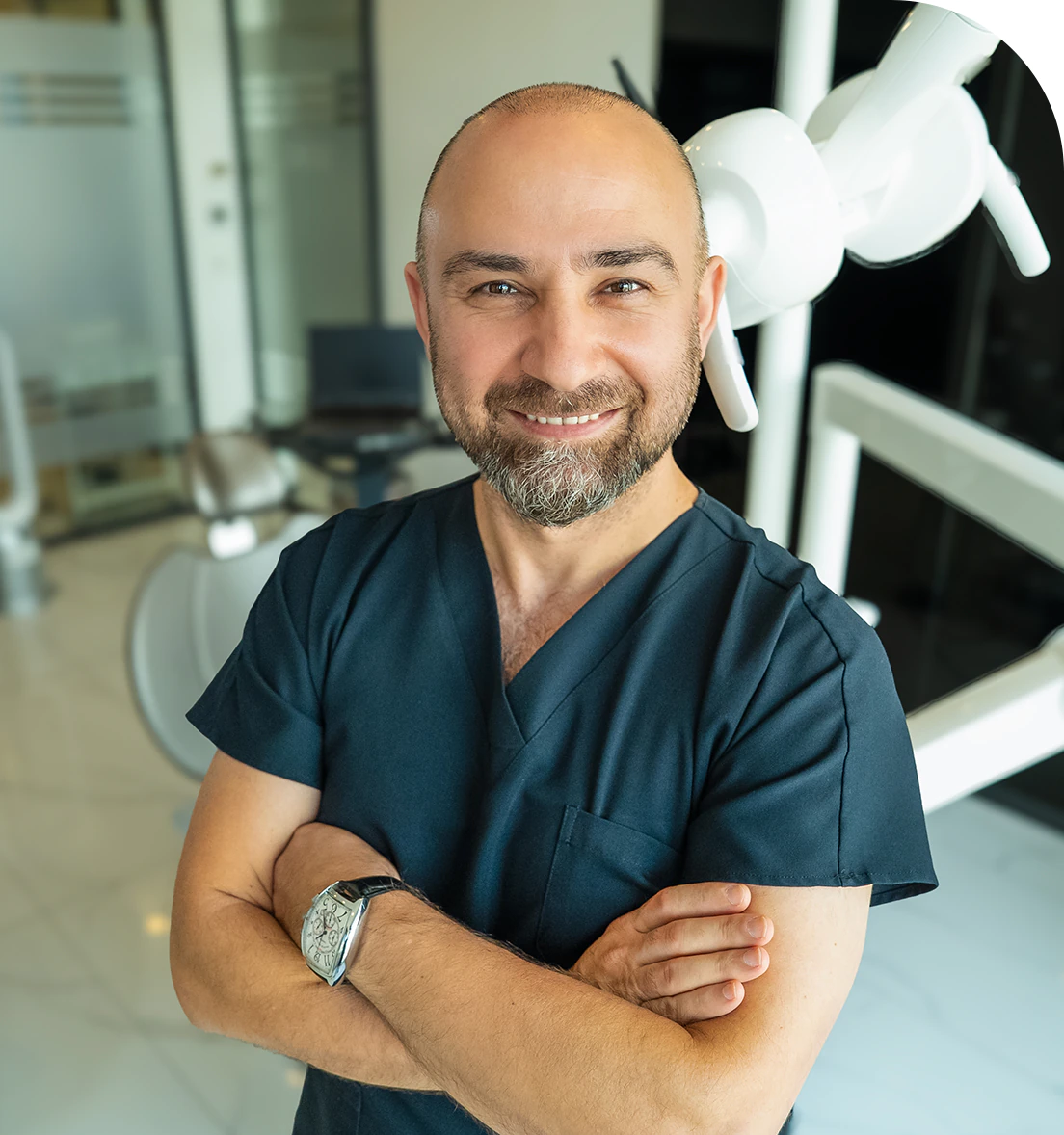
Dr. Dt. Ömer Atar provides care at his private clinic in Istanbul, combining his academic background and many years of clinical experience in dentistry. With a treatment approach that integrates aesthetic and functional solutions, he aims to achieve natural, balanced, and long-lasting results through personalized planning for each patient. Dr. Atar completed his education at the Marmara University Faculty of Dentistry, which he began in 1994, graduating in 2000. He continued his academic work in the Department of Prosthodontics at the same university. In 2007, he earned his PhD degree with his scientific thesis on implants and implant-supported prostheses in patients undergoing distraction osteogenesis. His academic expertise deepened in the fields of metal-free aesthetic systems, implant-supported prostheses, and cosmetic dentistry. Integrating modern technologies and digital dentistry into his practice, Dr. Ömer Atar achieves high success rates in treatments such as smile design, All-on-4/All-on-6 implant treatments, laminate veneers, zirconium crowns, teeth whitening, and gingival aesthetics (gummy smile). As a member of EDAD (Turkish Academy of Aesthetic Dentistry), he embraces a holistic approach focused on modern, functional, and natural outcomes in aesthetic dentistry.


