
 Türkçe
 Français
 Deutsch
 Nederlands
 Svenska

Following a doctor’s recommendations before and after dental treatment directly affects the success of the procedure and overall oral health. Before starting treatment, a detailed oral examination should be performed, and any existing systemic diseases and medications being used should be shared with the dentist. If necessary, antibiotic prophylaxis may be applied.
Among the points to be considered before treatment are maintaining good oral hygiene prior to the procedure and avoiding heavy meals. In cases of anxiety, informing the dentist allows for planning sedation or local anesthesia options. Arriving at the appointment on time is recommended.
In the post-treatment period, attention should be paid to hot–cold sensitivity during the first hours, and especially after tooth extraction or surgical procedures, the treated area should not be touched. Antibiotics and painkillers should be used as prescribed by the dentist; hard and sticky foods should be avoided.
For long-term oral health, follow-up check-ups should not be neglected, and regular tooth brushing and flossing should become habitual. Oral hygiene becomes even more important, especially after root canal treatment or implant procedures. When necessary, the dentist should be contacted again.
What Patients Are Most Curious About Before Treatment
The period before dental treatment is actually an important part of the process. Preparations made at this stage can affect both the course of the treatment and the patient’s comfort. Many patients wonder whether they will experience pain, how long the procedure will take, or when they will be able to return to daily life afterward.
Doctors generally ask for clear information about the patient’s general health status before the appointment. Regularly used medications, chronic conditions, or previous negative dental experiences are important at this point. This information helps create a safer treatment plan.
The Effect of Oral and Dental Hygiene on Treatment
Paying attention to oral hygiene before treatment is often overlooked. However, regular tooth brushing and interdental cleaning can reduce the risk of infection during the procedure. Dentists recommend cleaning the teeth with the usual routine before the appointment day.
Some patients may neglect care with the thought, “I will be treated anyway.” However, this approach can increase gum sensitivity and make the procedure more difficult. Simple but regular oral care contributes positively to the pre-treatment process.
What Should Be Considered on the Day of Treatment?
The day of dental treatment is usually the time when patients feel the most anxious. Doctors may recommend coming to the appointment after a light meal. Being completely hungry or overly full can cause discomfort, especially during long procedures.
Choosing comfortable clothing and arriving at the appointment on time also make the process easier. For patients experiencing intense stress, sharing this with the dentist is important. When deemed necessary, the treatment process can be planned according to the patient’s anxiety level.
Why Are the First Hours After Treatment Important?
The first hours after dental treatment form the basis of the healing process. While the effect of anesthesia continues, accidentally biting the lips or cheeks is a common occurrence. Therefore, it is recommended to be cautious until the numbness completely subsides.
Depending on the treated area, dentists may advise not eating for a certain period or avoiding hot beverages. These recommendations are generally given to allow the tissues to recover. Since the post-treatment period can vary for each procedure, following individual instructions is important.
Realistic Expectations Regarding Pain and Sensitivity
Experiencing mild pain or sensitivity after treatment is a source of concern for many patients. However, this is often a natural response of the tissues to the procedure performed. Short-term sensitivity may be observed, especially after fillings, root canal treatments, or gum procedures.
Doctors expect the intensity of pain to decrease over time. However, if the pain gradually increases or interferes with daily life, a follow-up appointment may be necessary. Such symptoms definitely require professional evaluation and are addressed according to the individual situation.
The Effect of Eating Habits on Healing
Nutrition after dental treatment can directly affect the healing process. Hard, very hot, or very cold foods can increase sensitivity. Therefore, choosing softer and lukewarm foods in the first days is a commonly recommended approach.
Excessive consumption of sugary foods and beverages can cause problems, especially around newly placed restorations. A balanced and careful diet supports both oral health and overall comfort.
When and How Should Oral Care Be Resumed?
There is a common belief that tooth brushing and oral care should be paused after treatment. However, in most cases, completely stopping care is not recommended. Dentists may advise gentle cleaning without straining the treated area.
After certain special procedures, different care methods may be temporarily recommended. At this point, it is important to follow the dentist’s personalized advice rather than relying on hearsay. Incorrect practices can prolong the healing process.
The Importance of Follow-Up Appointments
After treatment is completed, follow-up appointments allow the process to be reviewed. Patients may sometimes postpone these appointments when they feel well. However, follow-up examinations help detect potential issues early.
During these check-ups, doctors evaluate how the performed procedure is adapting within the mouth. If deemed necessary, minor adjustments can be made. This approach contributes to achieving healthier long-term results.
Each Patient’s Process Is Unique
Recommendations before and after dental treatment provide a general framework. However, each patient’s oral structure, health status, and expectations are different. Therefore, it is not possible to speak of a single recovery process that applies to everyone.
When there is uncertainty about experienced symptoms or discomfort, seeking professional advice rather than making self-interpretations is the healthiest approach. Clinical decisions are always shaped by individual evaluations.
Being Informed Makes the Process Easier
Dental treatment becomes more manageable when approached with accurate information. A patient who knows what to expect before treatment can respond more calmly to changes experienced afterward. Doctor’s recommendations are an important guide for ensuring this process progresses safely and in a controlled manner.
It should not be forgotten that the information shared here is for general informational purposes. It does not constitute diagnosis or guarantee definitive outcomes. The most accurate guidance is always provided through an evaluation conducted by the individual’s own dentist.
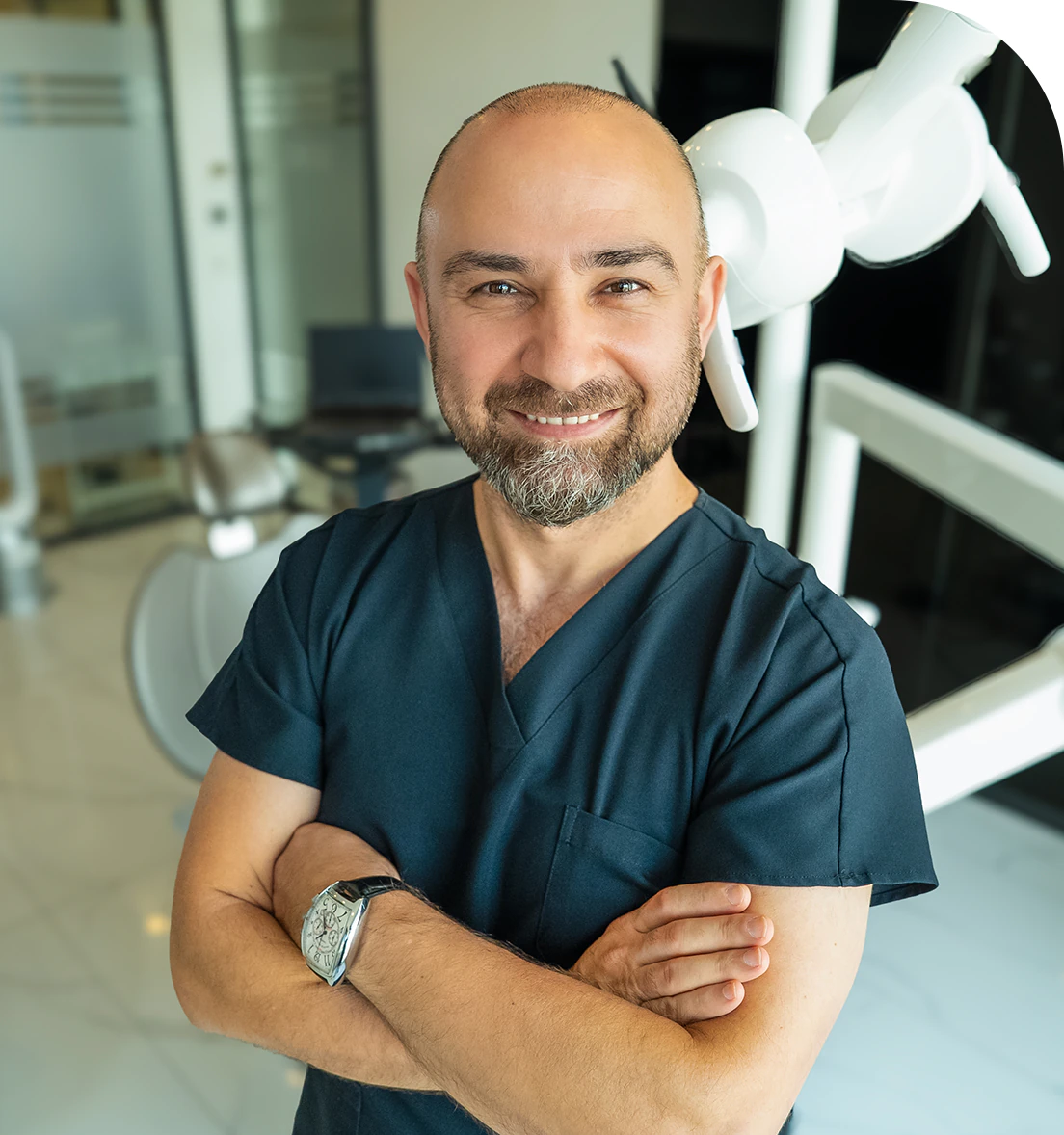
Dr. Dt. Ömer Atar provides care at his private clinic in Istanbul, combining his academic background and many years of clinical experience in dentistry. With a treatment approach that integrates aesthetic and functional solutions, he aims to achieve natural, balanced, and long-lasting results through personalized planning for each patient. Dr. Atar completed his education at the Marmara University Faculty of Dentistry, which he began in 1994, graduating in 2000. He continued his academic work in the Department of Prosthodontics at the same university. In 2007, he earned his PhD degree with his scientific thesis on implants and implant-supported prostheses in patients undergoing distraction osteogenesis. His academic expertise deepened in the fields of metal-free aesthetic systems, implant-supported prostheses, and cosmetic dentistry. Integrating modern technologies and digital dentistry into his practice, Dr. Ömer Atar achieves high success rates in treatments such as smile design, All-on-4/All-on-6 implant treatments, laminate veneers, zirconium crowns, teeth whitening, and gingival aesthetics (gummy smile). As a member of EDAD (Turkish Academy of Aesthetic Dentistry), he embraces a holistic approach focused on modern, functional, and natural outcomes in aesthetic dentistry.


