
 Türkçe
 Français
 Deutsch

Dental plaque is a colorless and sticky film composed of bacteria, saliva, and food debris that accumulates in the mouth. It typically gathers on tooth surfaces, along the gum line, and in interdental areas. Over time, plaque buildup can lead to tooth decay and gum disease.
Plaque formation on teeth begins rapidly in cases of inadequate oral hygiene. Especially sugary and starchy foods promote bacterial growth. Since plaque can form within 24 hours, maintaining a consistent and proper brushing habit is crucial.
The main way to prevent plaque formation is by brushing teeth effectively at least twice a day. Additionally, using dental floss, mouthwashes, and tongue cleaning also support this process. Electric toothbrushes may be more effective than manual ones for plaque removal.
Through regular dental checkups, plaque can be detected and removed before it hardens into tartar. Professional dental cleaning plays a vital role in maintaining oral health. Paying attention to your diet and avoiding sugary foods also have protective effects.
| What You Should Know | Information |
| Definition | Dental plaque is a sticky, colorless biofilm that accumulates on tooth surfaces, gum margins, and between teeth, composed of bacteria, saliva, food debris, and microorganisms. It is the primary cause of tooth decay and gum disease. |
| Formation Process | Plaque begins to form shortly after eating. Saliva and food residues combine with bacteria and adhere to tooth surfaces. If not cleaned, it can harden over time into tartar. |
| Types of Plaque | – Mechanical plaque: Physically formed sticky bacterial film – Subgingival plaque: Located below the gum line, associated with diseases like periodontitis – Supragingival plaque: Visible plaque above the gum line |
| Why Plaque Is Harmful | – Produces acids that erode enamel, leading to decay – Causes gum inflammation (gingivitis) – Leads to periodontitis and tooth loss – Causes bad breath (halitosis) |
| Symptoms | – Feeling of rough surfaces on teeth – Whitish-yellow layer at the gum line – Persistent bad breath despite brushing – Bleeding and redness of gums |
| How to Prevent Dental Plaque | – Regular and correct tooth brushing: At least twice a day for 2 minutes – Flossing: Daily cleaning between teeth – Mouthwashes: Antiseptic mouth rinses can reduce bacterial growth – Balanced diet: Avoid sugary and sticky foods – Regular dental checkups: Professional cleaning every 6 months |
| Professional Cleaning | Plaque and tartar cannot be completely avoided. Therefore, dental scaling performed by a dentist is necessary to remove plaque and tartar. |
| Recommended Oral Care Products | – Fluoride toothpaste – Dental floss or interdental brush – Antibacterial mouthwash (products with chlorhexidine are suitable for short-term use) – Tongue scrapers |
| Factors That Increase Plaque Formation | – Inadequate oral hygiene – Frequent consumption of sugary or starchy foods – Dry mouth (reduced saliva flow) – Smoking and tobacco use |
| Long-Term Protection | Plaque control is the fundamental method of preventing tooth decay and gum disease. With regular care, early intervention, and professional support, oral health can be maintained. |
What Is Dental Plaque?
Dental plaque is a colorless and sticky layer of bacteria that accumulates on tooth surfaces. It forms through the combination of food debris and saliva. If not cleaned regularly, plaque can lead to tooth decay, gum disease, and tartar formation. Daily tooth brushing and flossing are the most effective ways to prevent plaque buildup.
What Are the Stages of Plaque Formation and How Does the Process Work?
Right after brushing your teeth, you may feel like you’ve achieved a perfectly clean mouth, but biological processes begin again within seconds. Plaque formation doesn’t happen all at once—it follows a dynamic process in a specific order. Understanding this process helps explain why brushing twice daily is so important.
First, right after the tooth is cleaned, certain proteins in your saliva adhere to the tooth surface like a magnet. This thin layer, called the pellicle, is actually there to protect the enamel. However, unfortunately, it also creates a perfect sticky surface for bacteria to cling to. This stage is completely natural and cannot be prevented.
Next, bacteria freely floating in the mouth begin to settle on this surface. The first settlers are generally harmless “pioneer” bacteria. But once they attach, they prepare the environment for more dangerous bacteria to follow.
If brushing is not done at this stage, the real dangerous phase, “maturation,” begins. Bacteria multiply rapidly, form colonies, and start producing that protective slimy layer I mentioned earlier. As the biofilm thickens, the most harmful bacteria—which thrive in oxygen-free environments, attack the gums, and cause bad breath—start to grow at the base.
Some components found in plaque during this process include:
- Bacteria
- Salivary proteins
- Food debris
- Dead cells
Is Brushing Alone Enough in Daily Routine?
One of the most common complaints we hear from patients is: “Doctor, I brush my teeth, but I still get cavities.” The answer actually lies in simple math. Even with the best technique and the most expensive toothbrush, you can only reach certain surfaces of your teeth. A toothbrush cleans the front, back, and chewing surfaces—which only accounts for about 60% of the total surface area.
So, what about the remaining 40%? That includes the interproximal surfaces—the areas between the teeth where bristles can never reach. Coincidentally, most cavities and gum diseases begin exactly in these dark, moist, and hard-to-clean areas. So just brushing your teeth is like showering only half your body and leaving the rest dirty. To achieve complete hygiene and control plaque, we must acknowledge that brushing alone is never enough and that we need auxiliary tools.
Why Is Flossing Not an Option but a Necessity?
Unfortunately, dental floss is the least liked and most neglected oral hygiene tool in our society. It’s often only used when food like meat or parsley gets stuck between the teeth, seen as a substitute for a toothpick. But floss’s real job is to remove microbial plaque silently accumulating in those areas.
Flossing at least once a day, preferably before bed, is revolutionary for your oral health. Patients often ask, “Will floss create gaps between my teeth?” or “Will it loosen my fillings?” I can assure you: properly used floss will not cause gaps. On the contrary, it reduces gum swelling (edema) and helps your gums return to a healthy, firm state.
Main benefits of dental floss:
- Prevents interproximal cavities
- Stops gum bleeding
- Reduces bad breath
- Removes food debris
Technically, you shouldn’t wrap it around your fingers and snap it into your gums. Instead, gently glide it between your teeth, curve it into a “C” shape against the tooth, and move it up and down. This will help remove bacteria hidden deep inside the gum pockets.
Who Should Use Interdental Brushes?
Sometimes the gaps between teeth are too wide for floss to clean effectively, or gum recession creates triangular spaces between the roots. In these cases, floss becomes “too thin” and cannot fully contact the surfaces. That’s when interdental brushes come into play.
Interdental brushes resemble tiny bottle brushes. They are essential for those with a history of gum disease, implant restorations, or orthodontic appliances like brackets that complicate cleaning.
Groups that must use interdental brushes:
- People with gum recession
- Those undergoing orthodontic treatment
- Individuals with implant-supported restorations
- People with wide gaps between their teeth
The most critical factor here is size selection. Not every gap is the same width. A brush that’s too thin won’t clean effectively, while one that’s too thick can injure the gums. That’s why choosing the right color and size brush during a clinical examination is the most accurate approach.
Can Mouthwashes and Chemical Products Replace Brushing?
Those TV commercials where mouthwash kills all bacteria instantly don’t reflect the full reality. The biofilm structure—the protective wall bacteria build around themselves—remains resistant to chemical agents unless physically broken down.
Mouthwashes are not the “main course” of oral care—they are the sauce. They complement the mechanical cleaning done with a brush and floss, but can never replace them. Medical mouthwashes containing chlorhexidine are very effective for gum inflammation, but they shouldn’t be used constantly without supervision. Prolonged use may cause tooth staining or altered taste sensation.
Interest in natural ingredients has also increased. The antibacterial properties of herbal extracts like thyme and green tea are being researched. However, none of them currently provide an effective alternative to the mechanical cleaning power of a toothbrush.
Purposes of using chemical agents:
- Support mechanical cleaning
- Reduce bacterial load
- Suppress bad breath
- Provide a feeling of freshness
How Do Fissure Sealants Help Prevent Cavities?
One of the most favored applications in preventive dentistry is the fissure sealant—a procedure that stops decay before it starts. We strongly recommend this treatment when permanent molars erupt in children.
If you carefully look at the chewing surfaces of molar teeth or run your tongue over them, you’ll notice deep valleys, pits, and grooves. These indentations are called fissures. In some people, these grooves are so narrow and deep that even the bristles of a toothbrush cannot reach them. However, because bacteria are microscopic in size, they can easily settle in these spaces and remain undisturbed. No matter how much you brush, you won’t be able to clean the plaque in these depths, and the tooth will begin to decay right at its core.
In this procedure, we do not grind the tooth, do not use needles—we simply clean the surface and seal those deep grooves with a special flowable filling material. This makes the tooth surface smooth and slippery. Food debris can’t stick, and the surface can be easily cleaned with a toothbrush. It’s a strategy of eliminating hiding places for bacteria.
Key features of fissure sealants:
- Painless procedure
- Requires no anesthesia
- No removal of tooth structure
- Reduces risk of cavities
Why Are Professional Fluoride Applications Important?
Although tooth enamel is the hardest tissue in your body, it can still be vulnerable to acid attacks (demineralization). The bacteria in plaque digest the sugars you eat and produce acids that start to dissolve the enamel. Fluoride is the tooth’s strongest ally in this battle.
The fluoride varnishes or gels we apply in the clinic are much more concentrated than the toothpaste you use at home. This fluoride integrates into the tooth structure, turning it into what we might call “super enamel,” highly resistant to acids.
It also helps reverse early decay, especially small white spot lesions that haven’t yet turned into full cavities. This application is not just for children—it also provides excellent protection for high-risk adults, those suffering from dry mouth, or people with tooth sensitivity.
How Is Tartar (Calculus) Formation Prevented and Removed?
The point where at-home care ends and we must intervene is when plaque hardens into tartar. The calcium and other minerals in your saliva settle on uncleaned plaque on the tooth surface and calcify it into stone. You can compare this to the formation of stalactites and stalagmites in caves.
Once tartar forms, it’s impossible to remove it with brushing or flossing. It sticks to the tooth like cement—rough and hard, like a coral reef. This rough surface allows new bacteria to adhere more easily, starting a vicious cycle.
Professional tartar cleaning (scaling) uses ultrasonic devices to break and remove the tartar through vibrations. There’s a common but incorrect belief that “tartar cleaning damages enamel” or “scratches the teeth.” On the contrary, leaving tartar in place damages the gums, causes bone loss, and eventually leads to tooth loss. After cleaning, we perform polishing to smooth the surfaces and delay new tartar formation.
Problems caused by tartar include:
- Gum recession
- Bone loss
- Bad breath
- Gum bleeding
Why Is Gum Curettage Necessary in Advanced Cases?
Sometimes, when patients visit us, neglected plaque and tartar have already advanced beneath the gum line, reaching the root surfaces. At this point, the gum has begun to separate from the bone, creating pathological pockets. Simple surface cleaning is no longer sufficient, as the real battle lies beneath the gums—out of sight.
In such cases, we perform a procedure called Gingival Curettage. We numb the area with local anesthesia, so you feel no pain. Using special hand instruments, we enter the deep gum pocket and scrape away the inflamed tissue, bacteria, and tartar stuck to the root surface.
Our goal is to make the root surface smooth and clean like glass so the gum can reattach and stop the disease from progressing. This procedure is often the last chance to save a tooth from extraction.
Symptoms indicating the need for curettage:
- Deep gum pockets
- Persistent gum bleeding
- Tooth mobility
- Bad taste in the mouth
How Often Should You Visit the Dentist for Check-Ups?
Although the general rule is “every 6 months,” in modern dentistry, we evaluate each patient according to their risk group. Everyone’s biology, saliva composition, and lifestyle differ. Several factors determine how often you should visit:
For example, a smoker’s gums deteriorate faster and heal more slowly than a non-smoker’s. In diabetic patients, gum infections progress more aggressively and also negatively affect blood sugar control. For these high-risk groups, we may recommend visits every 3 months for cleaning and monitoring.
For low-risk individuals with excellent oral hygiene and no systemic conditions, a yearly check-up may suffice. But this decision should be based on a risk assessment by your dentist, not on personal guesswork.
Factors that influence check-up frequency:
- Smoking
- Diabetes
- Genetic predisposition
- Pregnancy
- Orthodontic treatment
In summary, fighting dental plaque is not a one-sided effort. It’s a shared responsibility between the few minutes you spend in your bathroom each day and the interventions we perform in the clinic. Plaque, by nature, is persistent and constantly regenerates. We cannot eliminate it entirely—but we can manage it.
Your job is to break down that biofilm wall each day with brushing and flossing and not let bacteria organize. Our job is to clean hard-to-reach corners, seal risky areas with fissure sealants, remove formed tartar, and keep your gums healthy.
Frequently Asked Questions
What exactly is dental plaque and how does it form?
Dental plaque is a sticky, colorless film formed by the combination of food particles and bacteria. It tends to accumulate along the gum line and, if not cleaned, eventually hardens into tartar.
What health issues can dental plaque cause?
Plaque is the main cause of tooth decay, gum inflammation (gingivitis), and advanced periodontal diseases. It also contributes to bad breath and aesthetic concerns.
How can I tell if I have plaque?
Freshly formed plaque is usually invisible but can feel rough to the touch. It can be detected using special plaque-disclosing tablets or during a dental check-up.
What Habits Most Influence the Formation of Dental Plaque?
Inadequate tooth brushing, not using dental floss regularly, and frequent consumption of sugary and starchy foods accelerate plaque buildup. Smoking also increases plaque accumulation.
Which Brushing Techniques Are Effective in Preventing Plaque Formation?
Teeth should be brushed at least twice a day for 2 minutes using circular motions. Special attention should be given to the gum line, and a toothbrush with appropriate softness should be used.
How Effective Are Dental Floss and Interdental Brushes Against Plaque Formation?
Dental floss is essential for removing plaque from between the teeth where brushes can’t reach. Interdental brushes provide effective plaque control for people with wider gaps between their teeth.
How Can Plaque Be Prevented in Children?
Children should be taught proper brushing habits at an early age, and toothpaste and brushes appropriate for their age should be selected. Regular dental check-ups with parental supervision are recommended.
Do Mouthwashes Help Prevent Dental Plaque?
Mouthwashes with antibacterial ingredients can reduce plaque-causing bacteria and slow plaque formation. However, they are not sufficient on their own and should be used in conjunction with brushing and flossing.
Does Tartar Cleaning Affect Plaque Formation?
Tartar provides a surface for plaque accumulation. Professional cleaning removes these rough surfaces, making the teeth smoother and less prone to plaque buildup. Therefore, regular cleanings are important.
What Dietary Habits Help Reduce Plaque Formation?
Consumption of sugary and sticky foods should be limited, water intake should be increased, and fibrous vegetables should be preferred. Hard fruits and vegetables can naturally help clean tooth surfaces.
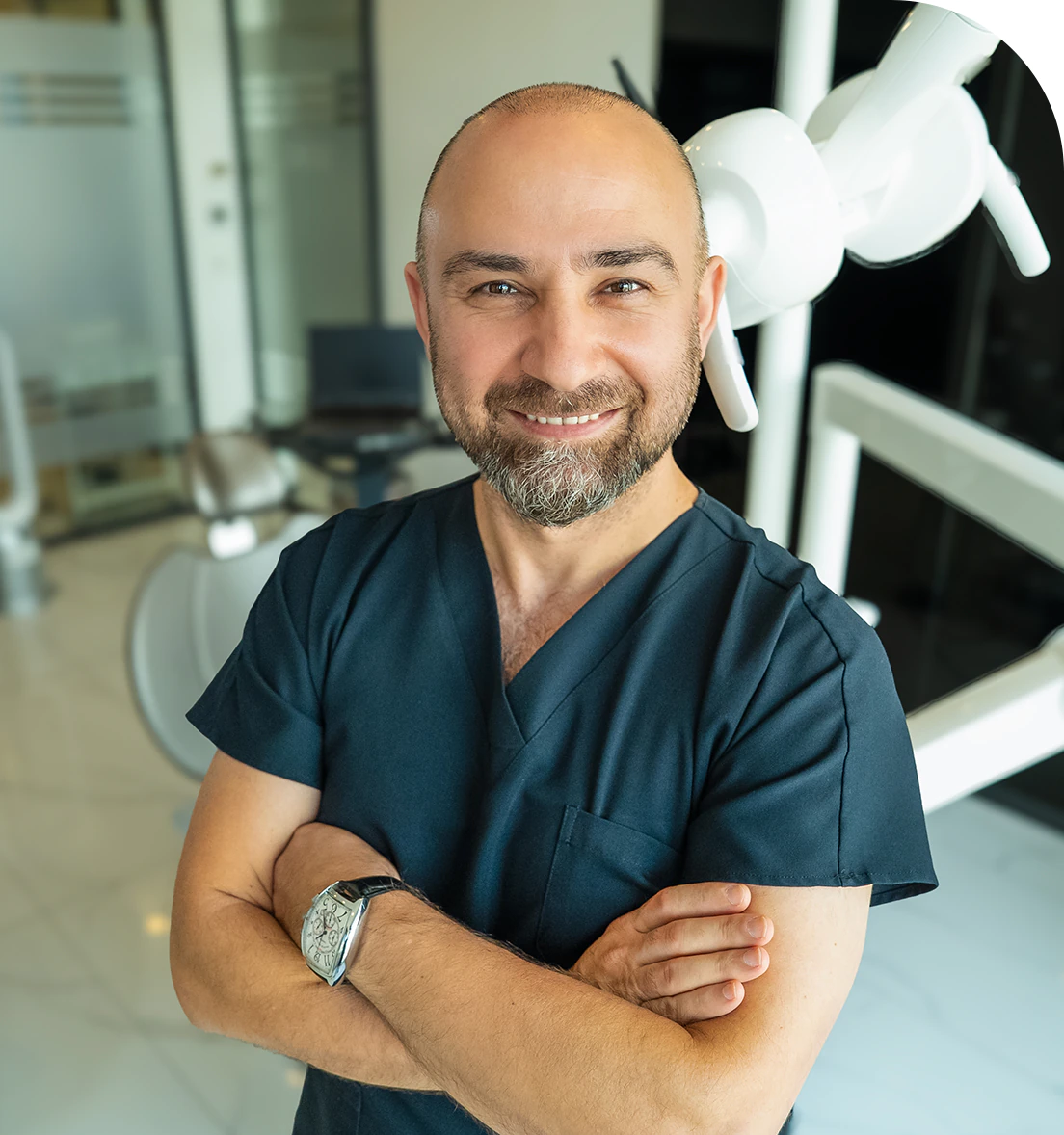
Dr. Dt. Ömer Atar provides care at his private clinic in Istanbul, combining his academic background and many years of clinical experience in dentistry. With a treatment approach that integrates aesthetic and functional solutions, he aims to achieve natural, balanced, and long-lasting results through personalized planning for each patient. Dr. Atar completed his education at the Marmara University Faculty of Dentistry, which he began in 1994, graduating in 2000. He continued his academic work in the Department of Prosthodontics at the same university. In 2007, he earned his PhD degree with his scientific thesis on implants and implant-supported prostheses in patients undergoing distraction osteogenesis. His academic expertise deepened in the fields of metal-free aesthetic systems, implant-supported prostheses, and cosmetic dentistry. Integrating modern technologies and digital dentistry into his practice, Dr. Ömer Atar achieves high success rates in treatments such as smile design, All-on-4/All-on-6 implant treatments, laminate veneers, zirconium crowns, teeth whitening, and gingival aesthetics (gummy smile). As a member of EDAD (Turkish Academy of Aesthetic Dentistry), he embraces a holistic approach focused on modern, functional, and natural outcomes in aesthetic dentistry.


