
 Türkçe
 Français
 Deutsch
 Nederlands
 Svenska

The question of how to eat after tooth extraction is important for ensuring a healthy healing process. In the first hours after the extraction, eating should be avoided until the effect of anesthesia wears off. After that, soft and lukewarm foods that help protect the blood clot should be preferred.
The diet on the first day after tooth extraction should support bleeding and pain control. Hot, hard, spicy, and acidic foods can irritate the tissues. Foods that do not require chewing, such as soup, yogurt, purée, and smoothies, are suitable options.
Foods to be avoided after tooth extraction include hard-shelled foods, seeds, chips, and sticky foods. The use of straws is not recommended, as the suction pressure can cause the blood clot to become dislodged. Smoking and alcohol consumption also delay healing.
A diet that supports healing after tooth extraction should be balanced in terms of protein and vitamins. Plenty of water should be consumed, but behaviors that put pressure on the extraction area should be avoided. If there is an increase in pain or bleeding, the nutrition plan should be reviewed and a dentist should be consulted.
Why Is Nutrition Important After Tooth Extraction?
After tooth extraction, a blood clot forms in the extraction area. This clot protects the wound and allows the tissues to repair themselves. Hard, hot, or irritating foods can disrupt this clot. This situation may result in increased pain, which patients often worry about, and delayed healing.
For this reason, nutrition should be carefully planned not only to satisfy hunger but also to protect the oral tissues.
What Should Be Considered in the First 24 Hours?
The first day is the most sensitive period of the healing process. During this time, foods are expected to be soft, lukewarm, and easy to chew.
Patients often wonder what they can eat after the numbness in the mouth wears off during this period. It is recommended to wait until the numbness has completely subsided before eating immediately after the extraction. Otherwise, it may be possible to accidentally bite the cheek or tongue without realizing it.
In addition, the use of straws is not preferred within the first 24 hours, as the sucking motion can cause the blood clot to become displaced.
Foods That Can Be Consumed After Tooth Extraction
The common characteristic of foods to be chosen during the healing period is that they do not create pressure in the mouth and require minimal chewing.
Commonly preferred foods during this process include:
- Lukewarm soups (smooth and without spices)
- Yogurt and kefir
- Puréed vegetables
- Soft fruits such as bananas
- Mashed potatoes
- Oatmeal
- Boiled and mashed foods
Such foods help meet energy needs while not irritating the extraction area. Patients may often experience a loss of appetite during this period; small but frequent meals may be more comfortable in this respect.
Foods and Drinks to Avoid
After tooth extraction, some foods may negatively affect the healing process. Especially hard and sharp-edged foods can damage the extraction area.
During this period, the following are generally recommended to be avoided:
- Hard nuts and chips
- Very hot foods and drinks
- Acidic and carbonated beverages
- Spicy and hot foods
- Seeded or granular foods (may get into the extraction area)
- Alcohol
Hot foods can trigger bleeding by increasing blood circulation. Acidic beverages, on the other hand, can cause discomfort on sensitive tissues. For this reason, patients generally prefer to postpone consuming these products for a while.
How Should Fluid Intake Be?
Adequate fluid intake is important for the body’s overall healing process. However, some points should be considered when consuming fluids.
It is recommended to drink water slowly and in small sips, without using a straw. Lukewarm or room-temperature beverages are generally more comfortable.
Instead of sugary and acidic drinks, water, ayran, or unsweetened herbal teas may be preferred. Regarding herbal teas, since each patient’s condition may be different, the dentist’s recommendation should be taken into account.
How Should Nutrition Be Expanded in the Days Following Extraction?
After the first few days, as sensitivity in the extraction area begins to decrease, the diet can gradually be diversified. However, this transition should not be sudden.
Patients often consider moving toward more solid foods when they no longer feel pain during chewing. At this point, gradually increasing firmness is safer.
For example, soft pasta, well-cooked vegetables, or foods cut into small pieces can be preferred at this stage. Chewing should be done as much as possible on the side where the extraction was not performed.
The Importance of Protein and Vitamin Intake
During the healing process, the body’s repair mechanisms work more actively. Therefore, foods high in protein and vitamins become important.
Yogurt, eggs, and well-cooked legumes can be supportive in this respect. Vegetable purées and fruit mashes also contribute to meeting vitamin needs.
However, not every food may be suitable for everyone. Especially patients with systemic diseases or special dietary regimens should take into account the recommendations of their dentist or the relevant healthcare professional.
How Should Oral Hygiene Be Maintained During Nutrition?
In addition to nutrition, oral hygiene afterward is also important. During the first 24 hours, direct brushing of the extraction area is generally not recommended. However, gently cleaning the other teeth helps maintain oral hygiene.
It is important that no food residue remains in the mouth after meals. At this point, mouth rinsing methods recommended by the dentist may come into play. It should be remembered that vigorous gargling movements should be avoided.
When Should Expert Advice Be Sought?
If conditions such as increasing pain, bad odor, swelling, or prolonged bleeding occur despite paying attention to nutrition, a dentist should definitely be consulted.
Every tooth extraction and every patient is different. Therefore, the healing process progresses in a personalized manner. While general recommendations are guiding, clinical evaluation is always decisive.
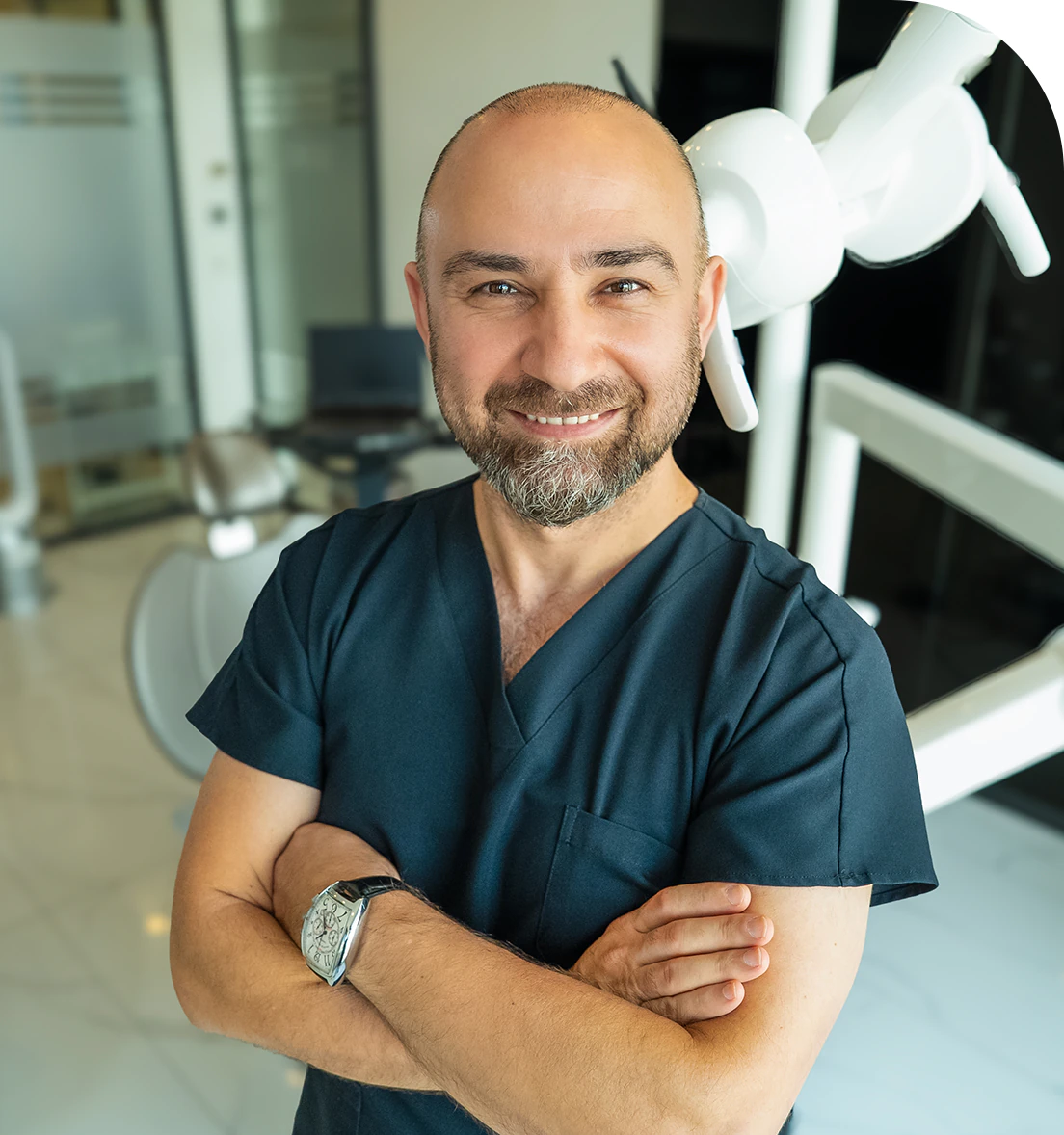
Dr. Dt. Ömer Atar provides care at his private clinic in Istanbul, combining his academic background and many years of clinical experience in dentistry. With a treatment approach that integrates aesthetic and functional solutions, he aims to achieve natural, balanced, and long-lasting results through personalized planning for each patient. Dr. Atar completed his education at the Marmara University Faculty of Dentistry, which he began in 1994, graduating in 2000. He continued his academic work in the Department of Prosthodontics at the same university. In 2007, he earned his PhD degree with his scientific thesis on implants and implant-supported prostheses in patients undergoing distraction osteogenesis. His academic expertise deepened in the fields of metal-free aesthetic systems, implant-supported prostheses, and cosmetic dentistry. Integrating modern technologies and digital dentistry into his practice, Dr. Ömer Atar achieves high success rates in treatments such as smile design, All-on-4/All-on-6 implant treatments, laminate veneers, zirconium crowns, teeth whitening, and gingival aesthetics (gummy smile). As a member of EDAD (Turkish Academy of Aesthetic Dentistry), he embraces a holistic approach focused on modern, functional, and natural outcomes in aesthetic dentistry.


