
 Türkçe
 Français
 Deutsch
 Nederlands
 Svenska

If an implant is not placed after a tooth is extracted, bone resorption in the jaw and deterioration in tooth alignment may occur over time. The absence of the tooth root prevents the bone from receiving stimulation, leading to volume loss, which causes both functional and aesthetic problems.
Among the consequences of not placing an implant after tooth extraction are the tilting of adjacent teeth toward the empty space and the elongation of the opposing tooth. These movements disrupt chewing balance, lead to bite problems, and may trigger temporomandibular joint disorders in the long term.
When a missing tooth is not restored with an implant, jawbone resorption accelerates and future treatments become more difficult. As bone loss increases, additional surgical procedures may be required for implant placement, which increases treatment duration and cost.
The effects of an unfilled tooth gap are not limited to oral health. Reduced chewing function may contribute to digestive problems, speech disorders may develop, and aesthetic changes such as facial collapse may occur.
What Does the Gap After Extraction Change in the Mouth?
Teeth do not only serve a chewing function. They are also parts of a system that supports one another. When a tooth is extracted, this balance is disrupted. Although the empty space may initially be perceived as a minor deficiency, surrounding teeth and the jawbone begin to be affected. Especially teeth extracted in the posterior regions may be forgotten in a short time, but the balance within the mouth continues to change.
Shifting and Tilting of Adjacent Teeth
When a gap forms, the neighboring teeth may gradually move toward this space. The natural tendency of teeth, when they lose support, is to tilt toward the empty area. This condition may not be noticeable within a few months, but over the years, distortions in tooth alignment may become apparent. When contact points between teeth change, food accumulation may increase and maintaining oral hygiene may become more difficult.
Elongation (Eruption) of the Opposing Tooth
The tooth located opposite the extracted tooth is also affected by this situation. When a tooth in the lower jaw is extracted, the opposing tooth in the upper jaw may gradually begin to extend downward. This condition is called “eruption.” Elongation of the opposing tooth can disrupt contact balance during chewing and cause discomfort in the jaw joint. Some patients only notice this condition when sensitivity develops during chewing.
Jawbone Resorption (Bone Loss)
Tooth roots transmit regular pressure to the jawbone. This pressure helps maintain the vitality of the bone. When a tooth is extracted, this stimulation disappears and the bone tissue in the relevant area may gradually lose volume. Bone resorption usually progresses painlessly and is not immediately noticeable from the outside. However, in later stages, it may pave the way for both aesthetic and functional problems.
Changes in Facial Appearance
Loss of volume in the jawbone does not only affect the inside of the mouth. In the long term, lip and cheek support may decrease. This condition may cause a sunken appearance in the facial profile, especially after multiple tooth extractions. Some individuals state that their face looks older when they look in the mirror; the cause of this change being tooth loss is often realized late.
Effects on Chewing and Digestion
Chewing habits change when a tooth is missing. The person may unconsciously shift to chewing on one side. This may lead to uneven loading of the jaw muscles and cause food to be swallowed without being adequately broken down. Chewing is the first step for the digestive system; when this step is not effective enough, discomfort may occur in the stomach and intestines.
Speech and Articulation Problems
Especially when teeth extracted in the front region are not replaced with any application, producing certain sounds may become difficult. Lisping or air leakage may be felt with sounds such as “S,” “F,” or “T.” This may lead to a loss of self-confidence in social life. These minor changes experienced during speech may cause the person to feel more hesitant when expressing themselves.
Difficulty in Maintaining Oral Hygiene
Tooth gaps and shifted teeth make brushing and flossing more difficult. Food debris accumulates more easily. This may increase the risk of problems such as gum sensitivity, bleeding, and bad breath. Even with regular care, anatomical changes may reduce the effectiveness of hygiene.
Limitation of Future Treatment Options
When no procedure is performed for a long time after a tooth is extracted, treatment options may change due to bone loss and tooth movement. Even if an implant is considered later, additional surgical procedures may be required. When bone volume is insufficient, the process may become longer and more complex. This does not apply to every patient; however, it should be known that delay may require some additional steps.
Does Every Missing Tooth Have the Same Effect?
The same results are not seen after every extraction. Many factors such as the position of the tooth, the person’s chewing habits, bone structure, and oral hygiene affect the process. While some people do not experience noticeable problems for a long time, others may feel changes in a shorter period. Therefore, the statement “I have a missing tooth but it did not cause a problem” is not a valid generalization for everyone.
The Importance of Specialist Evaluation
Which option is appropriate after tooth extraction requires an individualized evaluation. Implants, bridges, or different approaches are not planned in the same way for every patient. General health status, intraoral conditions, and expectations influence this decision. Therefore, it is important not to neglect follow-up appointments after extraction and to evaluate possible outcomes together with the dentist.
The Difference Between Conscious Waiting and Neglect
In some cases, not performing a procedure immediately may be a planned choice. However, this process must be monitored. Leaving a tooth gap neglected for a long time without any evaluation may pave the way for more complex problems over time. Conscious waiting is a process carried out together with regular check-ups.
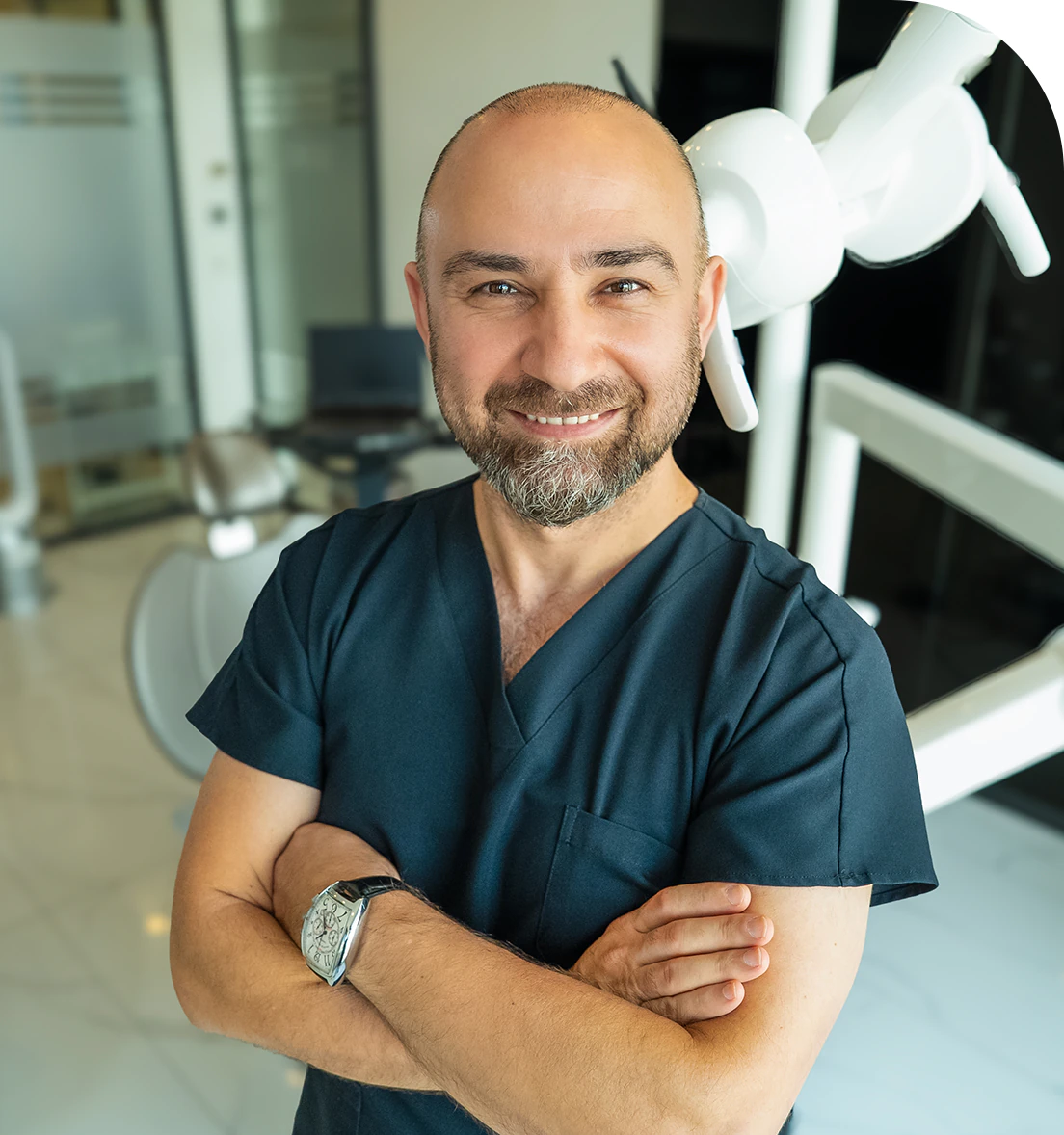
Dr. Dt. Ömer Atar provides care at his private clinic in Istanbul, combining his academic background and many years of clinical experience in dentistry. With a treatment approach that integrates aesthetic and functional solutions, he aims to achieve natural, balanced, and long-lasting results through personalized planning for each patient. Dr. Atar completed his education at the Marmara University Faculty of Dentistry, which he began in 1994, graduating in 2000. He continued his academic work in the Department of Prosthodontics at the same university. In 2007, he earned his PhD degree with his scientific thesis on implants and implant-supported prostheses in patients undergoing distraction osteogenesis. His academic expertise deepened in the fields of metal-free aesthetic systems, implant-supported prostheses, and cosmetic dentistry. Integrating modern technologies and digital dentistry into his practice, Dr. Ömer Atar achieves high success rates in treatments such as smile design, All-on-4/All-on-6 implant treatments, laminate veneers, zirconium crowns, teeth whitening, and gingival aesthetics (gummy smile). As a member of EDAD (Turkish Academy of Aesthetic Dentistry), he embraces a holistic approach focused on modern, functional, and natural outcomes in aesthetic dentistry.


