
 Türkçe
 Français
 Deutsch
 Nederlands
 Svenska

Zirconium and porcelain crowns are two different materials commonly used in dental aesthetics and restoration. While zirconium crowns do not contain metal, porcelain crowns are generally applied over a metal substructure. This difference leads to important consequences in terms of aesthetics and tissue compatibility.
From an aesthetic perspective, zirconium crowns provide a more natural appearance with high light translucency. Metal-supported porcelain crowns are more opaque, and over time, a gray reflection may appear along the gum line. For this reason, zirconium stands out as an aesthetic preference for front teeth.
In terms of durability, both materials have high strength. However, zirconium may be more brittle compared to metal-supported porcelain. In areas exposed to excessive chewing forces in the back teeth, the choice should be made according to individual habits.
In terms of biocompatibility, zirconium is tissue-friendly and carries a low risk of allergic reactions. In metal-containing porcelain crowns, allergic reactions or gum irritation may rarely occur. In addition, the gum compatibility of zirconium crowns provides longer-lasting aesthetic and healthy results.
What Are Zirconium and Porcelain Crowns?
Porcelain crowns generally consist of a porcelain layer placed over a metal substructure. This method, which has been used for many years, is known for its resistance to chewing forces.
Zirconium crowns, on the other hand, are a newer option that use white-colored zirconium oxide instead of metal in the substructure. In this way, they offer a different approach in terms of both aesthetic appearance and biological compatibility.
Both types of crowns are applied over teeth that are damaged, discolored, or have shape deformities; the aim is to support both the appearance and the function of the tooth.
Differences in Terms of Aesthetic Appearance
One of the most common reasons zirconium crowns are preferred is that they provide an aesthetic appearance close to that of natural teeth. Thanks to their light-transmitting property, the likelihood of a matte and artificial appearance—especially on front teeth—is reduced.
In porcelain crowns, however, light translucency is limited due to the metal substructure. This may lead to a more opaque appearance in some patients.
Additionally, if gum recession occurs over time with porcelain crowns, the metal substructure may become noticeable as a dark line along the edges. This risk is lower with zirconium crowns.
Gum Compatibility and Biological Effects
Gum health is an important factor that should not be overlooked when choosing a crown.
Zirconium is considered a biocompatible material and generally causes less sensitivity when in contact with the gums. For this reason, it is often evaluated in patients who have complaints of gum recession or redness.
In metal-supported porcelain crowns, darkening or sensitivity at the gum margin may be observed in some individuals. This does not occur in everyone, but it is taken into consideration especially for people with sensitive gum structures.
Durability and Chewing Forces
In back teeth—areas where chewing load is high—durability is an important criterion.
Metal-supported porcelain crowns have been safely used in these regions for many years and are resistant to high chewing forces.
Zirconium crowns have also become quite durable with current technologies. Especially monolithic zirconium substructures are designed to reduce the risk of fracture. However, which crown is more suitable varies depending on the patient’s teeth-grinding habit, jaw structure, and bite relationship.
Light Translucency and Natural Appearance
One of the most distinctive characteristics of natural tooth enamel is the way it reflects and transmits light.
Zirconium crowns provide results that are closer to this characteristic. For this reason, they are preferred for front teeth in individuals with high expectations for smile aesthetics.
Porcelain crowns, on the other hand, have a more matte structure. While this does not pose a problem for some patients, it may lead to the evaluation of alternative options, especially in individuals with high aesthetic sensitivity.
Duration of Use and Maintenance
Both types of crowns can be used for many years with proper oral care.
Regular tooth brushing, the use of dental floss, and routine dental check-ups directly affect the lifespan of crowns.
Regardless of the type of crown, habits such as biting hard objects or teeth grinding can increase the risk of fracture. In such cases, the dentist may recommend protective measures.
Differences in Terms of the Application Process
The application stages of zirconium and porcelain crowns are generally similar. The teeth are reduced by certain proportions, impressions are taken, and a personalized crown is prepared in a laboratory environment.
However, zirconium crowns are generally designed using digital systems, which may help achieve a more precise fit.
In both methods, a temporary crown process may be experienced, and the final crown is adjusted specifically for the tooth.
Which Crown May Be More Suitable for Whom?
There is no single answer to this question.
Zirconium crowns are often evaluated in patients who have high aesthetic expectations for front teeth, have gum sensitivity, or want a metal-free solution.
Porcelain crowns may be a suitable option for back teeth, in regions with intense chewing forces, or for individuals who prefer a classic method that has been known for many years.
However, every oral structure is different. The decision regarding crowns is made on an individual basis, in line with the current condition of the teeth, gum health, the patient’s expectations, and the clinician’s evaluation.
What Should Be Considered in the Decision-Making Process?
Choosing a crown is not solely an aesthetic preference. Oral health must be addressed holistically.
It is important for patients to clearly express their expectations before the process and to evaluate the advantages and disadvantages together with their dentist.
No crown method can be defined as “the best for everyone.” Clinical decisions are shaped according to individual needs and require expert evaluation.
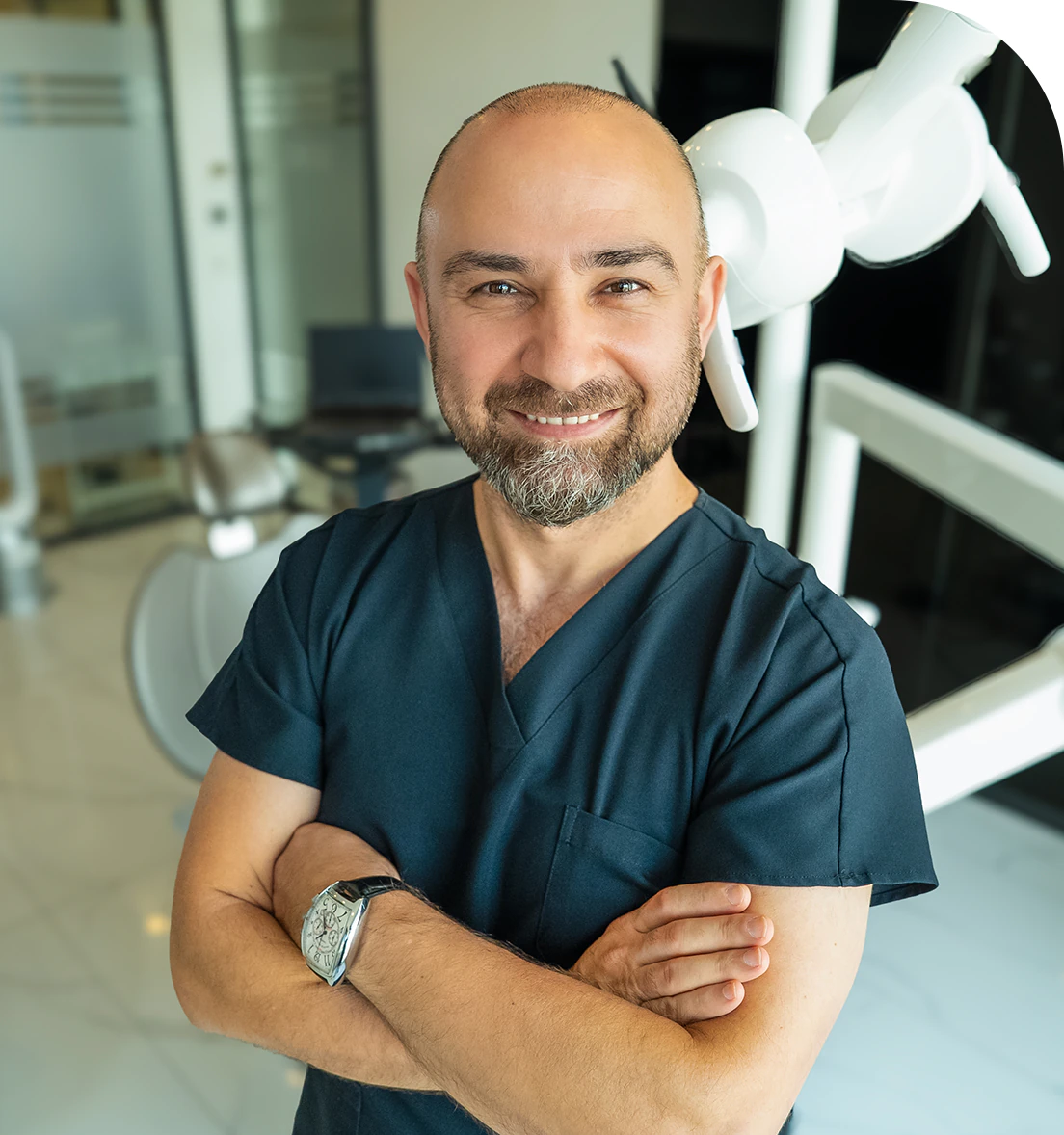
Dr. Dt. Ömer Atar provides care at his private clinic in Istanbul, combining his academic background and many years of clinical experience in dentistry. With a treatment approach that integrates aesthetic and functional solutions, he aims to achieve natural, balanced, and long-lasting results through personalized planning for each patient. Dr. Atar completed his education at the Marmara University Faculty of Dentistry, which he began in 1994, graduating in 2000. He continued his academic work in the Department of Prosthodontics at the same university. In 2007, he earned his PhD degree with his scientific thesis on implants and implant-supported prostheses in patients undergoing distraction osteogenesis. His academic expertise deepened in the fields of metal-free aesthetic systems, implant-supported prostheses, and cosmetic dentistry. Integrating modern technologies and digital dentistry into his practice, Dr. Ömer Atar achieves high success rates in treatments such as smile design, All-on-4/All-on-6 implant treatments, laminate veneers, zirconium crowns, teeth whitening, and gingival aesthetics (gummy smile). As a member of EDAD (Turkish Academy of Aesthetic Dentistry), he embraces a holistic approach focused on modern, functional, and natural outcomes in aesthetic dentistry.


