
 Türkçe
 Français
 Deutsch

Gingivitis treatment in Turkey involves professional dental cleaning, plaque and tartar removal, and personalized oral hygiene planning to eliminate gum inflammation and prevent progression to periodontitis. Early intervention by qualified dentists ensures rapid symptom control, reduced bleeding, and restoration of healthy gingival tissue.
Professional gingivitis treatment options in Turkey include ultrasonic scaling, root surface debridement, and antimicrobial mouth rinses administered under clinical supervision. These procedures target bacterial biofilm accumulation along the gum line, decrease pocket depth, and support reattachment of healthy gum tissue to the teeth.
Cost-effective gingivitis therapy in Turkish dental clinics is delivered according to international sterilization and safety standards. Comprehensive examinations with digital imaging allow precise diagnosis of gum inflammation severity, enabling tailored treatment protocols that minimize discomfort and promote long-term periodontal stability.
Post-treatment gum care and preventive dentistry in Turkey focus on patient education, regular dental check-ups, and individualized oral hygiene instruction. Structured follow-up appointments help maintain periodontal health, prevent recurrence of inflammation, and protect overall oral function and aesthetic appearance.
| What You Need to Know | Information |
| Definition | Gingivitis is a superficial infection of the gums characterized by redness, swelling, and bleeding. It usually results from plaque accumulation and may progress to more advanced stages (periodontitis) if left untreated. |
| Causes | – Poor oral hygiene – Plaque and tartar buildup – Smoking – Hormonal changes (pregnancy, puberty, etc.) – Systemic diseases such as diabetes – Vitamin deficiencies (especially vitamin C) |
| Symptoms | – Bleeding gums while brushing or spontaneously – Red, swollen, and tender gums – Bad breath – Gum recession – Soft or shiny appearance of the gums |
| Diagnosis | Diagnosed through a clinical examination by a dentist. If needed, X-rays are taken to evaluate possible bone loss. |
| Treatment Methods | – Professional tartar removal (scaling) – Maintaining effective daily oral hygiene to control plaque – Use of antiseptic mouthwashes (e.g., chlorhexidine) – Antibiotic support if necessary (systemic or local) |
| Home Care Measures | – Brushing teeth at least twice a day – Cleaning between teeth using floss or interdental brushes – Use of antiseptic mouthwash – Avoidance of tobacco products – Balanced and vitamin-rich diet |
| Recovery Time | With early diagnosis and treatment, significant improvement is seen within a few days. It can be completely cured with regular care. However, more advanced cases may require comprehensive treatment. |
| In Advanced Cases | If left untreated, it can develop into periodontitis. This leads to permanent damage in the gums and jawbone and may progress to tooth loss. |
| Prevention | – Regular dental checkups (every 6 months) – Effective cleaning to prevent plaque accumulation – Adopting healthy lifestyle habits |
| Alternative Supportive Applications | – Gargling with warm salt water – Herbal anti-inflammatory teas (chamomile, sage) – Vitamin C supplementation (consult your doctor) |
What Is Gingivitis?
Gingivitis is the inflammation of the gums caused by bacterial plaque. If not detected and treated early, it can lead to the progression of gum diseases.
What Causes Gum Bleeding and What Are the Symptoms?
Gum bleeding is the most common complaint that brings patients to the clinic and is the most reliable indicator of active disease. Healthy gums are firm, tight, orange peel-textured, and light pink in color. They do not bleed during brushing or eating. However, inflamed gums lose tissue integrity, and blood vessels approach the surface and dilate. This leads to bleeding even with the slightest mechanical trauma—and sometimes even spontaneously.
Patients often avoid brushing the area because of the bleeding. The thought “It bleeds when I brush, so I don’t touch it” is one of the biggest mistakes in this disease. Bleeding is a sign that the area needs to be cleaned and that bacteria are heavily concentrated there. If not cleaned, the infection deepens and bleeding worsens.
In individuals who smoke, this symptom may be masked. Since nicotine has a vasoconstrictive effect, bleeding may not occur even if the gums are diseased. This causes the disease to progress much more silently and deeply in smokers, without being noticed.
Common symptoms of gingivitis and progressing gum diseases include:
- Gum bleeding
- Redness in the gums
- Swelling in the gums
- Bad breath
- Bad taste sensation
- Gum recession
- Tooth sensitivity
- Pain during chewing
- Tooth mobility
- Tooth shifting
- Darkening of gum color
What Is the Difference Between Gingivitis and Periodontitis?
To understand the progression and severity of the disease, it’s crucial to distinguish between these two terms. Gingivitis is a superficial inflammation that only affects the soft tissue, namely the gums. You can think of it like peeling plaster or blistered paint on the outside of a house. With proper treatment and good care, the tissues can return to their former healthy state without any trace.
However, if gingivitis is not treated, the disease deepens and becomes what we call “Periodontitis.” This stage is when the foundation of the house begins to be damaged. The infection spreads from the gums to the fibers that connect the tooth to the jawbone and the bone tissue surrounding the tooth. The body, in an attempt to escape the infection, begins to resorb its own bone. The natural groove between the tooth and the gum deepens, forming pathological spaces known as “periodontal pockets.” These pockets are ideal shelters for bacteria to multiply in an oxygen-free environment. It is impossible for a toothbrush or dental floss to reach the bottom of these pockets.
The bone loss that occurs during the periodontitis stage is unfortunately irreversible. That is, except for some advanced surgical methods, it is not possible to replace the resorbed bone. Our goal in treatment is to stop the destruction at its current state and preserve the existing bone. That’s why it is vital to catch the disease at the gingivitis stage. As periodontitis progresses, teeth begin to loosen, spaces appear between teeth, and ultimately completely healthy, cavity-free teeth may be lost. This results in not just an aesthetic issue but also a serious functional loss.
Clinical findings during the course of periodontitis include:
- Periodontal pocket formation
- Alveolar bone loss
- Gum recession
- Tooth mobility
- Tooth loss
- Abscess formation
- Appearance of elongated teeth
How Do Gum Diseases Affect Our General Health?
The mouth is not an isolated, independent organ from the body; on the contrary, it is a mirror of general health and a gateway to the body. Modern medical literature has proven a strong and “bidirectional” relationship between gum diseases and systemic illnesses. This relationship is based on the principle that chronic infection in the mouth increases the body’s overall inflammation load and spreads bacteria through the bloodstream to other organs.
The link between diabetes and gum disease is especially striking. In diabetic patients, due to impaired wound healing and a weakened immune system, gum diseases progress much more rapidly and destructively. Conversely, individuals with severe gum infections find it harder to control their blood sugar. In this sense, treating the gums directly contributes to diabetes management.
Cardiovascular diseases are also closely related to periodontal diseases. Oral bacteria have been found in the plaques that cause atherosclerosis (arterial hardening). These bacteria can enter the bloodstream and lead to infections in heart valves or increase the risk of clot formation. During pregnancy, the situation is even more sensitive. Hormonal changes make the gums more vulnerable to infection, while existing infections can increase the risk of premature birth and low birth weight.
Systemic conditions known to be associated with gum diseases include:
- Type 2 Diabetes
- Cardiovascular diseases
- Stroke
- Risk of premature birth
- Low birth weight
- Rheumatoid arthritis
- Chronic kidney disease
- Alzheimer’s
- Lung infections
- Obesity
What Helps Gingivitis and Is Home Treatment Possible?
This is one of the most frequently asked and most wondered topics by our patients. People often want to solve this issue with herbal remedies, rinses, or special toothpastes. However, it is important to make a clear distinction here: If the issue is only early-stage, mild bleeding (simple gingivitis), then raising oral hygiene to an excellent level can help resolve it. But if tartar has already formed and pocket depth has increased, no home remedy can cure the disease.
Tartar is a hard structure physically locked onto the tooth surface. You cannot dissolve it by rinsing or taking medication, and you cannot remove it by brushing. It’s like trying to get rid of a stone inside your shoe by changing how you walk without taking the shoe off. The stone is still there and keeps hurting with every step. The infection inside the gum pocket is just like that. Using antibiotics, rinses, or herbal waters without professional cleaning will only temporarily suppress symptoms, while the underlying destruction continues silently.
Therefore, the real answer to the question “What helps gingivitis?” is professional mechanical cleaning. The practices you perform at home are “supportive” in nature—to maintain the success of professional treatment and prevent recurrence. The helpful elements you can use at home after treatment to support gum health include:
- Soft-bristled toothbrush
- Dental floss
- Interdental brushes
- Oral irrigator
- Saltwater rinses
- Antiseptic rinses
- Chamomile tea
- Green tea
- Vitamin C supplements
- Probiotic foods
How Does the Dentist Make a Diagnosis?
In our clinical examination, visual inspection alone is not enough to diagnose gum disease. We perform a detailed assessment to understand the extent of the disease, which teeth are affected, and the degree of bone loss. The most important tool for this examination is the instrument called the “periodontal probe.” This instrument is a fine-tipped ruler with millimeter markings. It is definitely not a needle and is not inserted forcefully.
Using this probe, we measure the depth of the groove between the tooth and the gum. In healthy gums, this depth is between 1 and 3 millimeters. If the measurement is 4 millimeters or more, we consider the presence of a “periodontal pocket.” During this procedure, we also check whether the gums bleed. Bleeding during probing is the most important evidence that inflammation is still active in that area. We also check for tooth mobility and measure the amount of gum recession.
We always support the clinical examination with radiographic images. Panoramic X-rays provide an overall view, while periapical films allow us to examine the root area and bone levels of each tooth in detail. The type (horizontal or vertical) and amount of bone loss are key factors in determining our treatment plan.
The parameters we evaluate at the diagnosis stage include:
- Pocket depth
- Bleeding on probing
- Clinical attachment level
- Tooth mobility
- Furcation involvement
- Gum recession
- Amount of bone loss
- Plaque index
- Amount of tartar
What Are Tartar Cleaning and Curettage Treatment?
The main treatment for periodontal diseases is the non-surgical process called “Phase 1 Therapy” or “Initial Therapy.” The most well-known part of this process is tartar cleaning, but in the presence of periodontitis, the procedure is the more comprehensive “Root Surface Planing” or “Curettage.”
Tartar cleaning typically involves removing visible deposits above the gumline using ultrasonic instruments. Curettage, on the other hand, involves going deep into the gum pocket to clean tartar adhered to the root surface, bacterial plaque, and remnants of inflamed tissue. This procedure is usually performed under local anesthesia, so the patient feels no pain or discomfort during the process.
The main goal of curettage is to make the root surface “glass-smooth.” Rough surfaces provide a base for bacteria to reattach. When the root surface is smooth and the bacterial load is removed, the gum tissue heals and reattaches tightly to the root surface. Swelling subsides, bleeding stops, and pocket depth decreases. This procedure is the most fundamental treatment to prolong tooth life and preserve tissue. Treatment is usually planned in 2 or 4 sessions depending on the condition of the mouth.
Clinical benefits of non-surgical treatment include:
- Elimination of infection
- Stopping of bleeding
- Disappearance of bad breath
- Healthy pink appearance of gums
- Reduction in pocket depth
- Increased gum tightness
- Smoother tooth surfaces
- Reduction in bacteria count
Is Surgery Needed for Advanced Gum Disease?
After completing initial therapy and curettage, we wait for tissue healing. If, during the control after 4–6 weeks, pocket depths have not decreased or bone loss is very advanced, we may need to apply surgical methods. To view root surfaces deeply and repair bone defects, we perform a “Periodontal Flap Operation.”
In this procedure, we gently lift the gums with a small incision to directly access the root surfaces and bone tissue. This allows us to clean with direct vision instead of blindly. At this stage, we can also apply “regenerative” treatments aimed at recovering lost tissues.
We place bone grafts in areas of resorbed bone to stimulate the body to form new bone. On top of these grafts, we place special membranes to protect them and prevent gum tissue from collapsing into the bone void. In areas with gum recession, it is also possible to use connective tissue taken from the palate to thicken the gum and cover the root surface. All of these procedures aim to extend the life of the tooth in the mouth and restore function.
Advanced periodontal surgical procedures include:
- Flap operation
- Gingivectomy
- Gingivoplasty
- Free gingival graft
- Connective tissue graft
- Guided tissue regeneration
- Guided bone regeneration
- Sinus lift
- Crown lengthening
What Should Be Considered During the Post-Treatment Healing Period?
The success of periodontal treatments depends not only on what the dentist does in the office but also on how the patient manages the process at home. After curettage or surgical operations, tissues become sensitive and need time to heal. Mild soreness or slight bleeding in the first days is considered normal.
The first 24 hours after the operation are especially critical. Blood clot formation and initial wound closure occur during this time. Actions that create a vacuum effect such as spitting, rinsing, or using a straw may dislodge the clot and restart bleeding. Therefore, the mouth should not be rinsed on the first day. Smoking is also the most harmful factor to healing. Smoking impairs blood supply to the wound area, preventing proper nourishment of the tissue, delaying healing, and potentially causing treatment failure.
Diet is also important during this period. Very hot, cold, spicy, or hard foods should be avoided. Use of the prescribed mouth rinses and medications reduces infection risk. Regarding brushing, the surgical area should not be brushed for the period your dentist specifies (usually until stitches are removed), while the other areas should be brushed normally.
Post-treatment considerations include:
- No smoking
- No alcohol consumption
- Avoid hot foods
- Avoid hard foods
- Take prescribed medications
- Maintain oral hygiene
- Protect stitches
- Avoid strenuous exercise
- Drink plenty of water
Can Gum Disease Recur and How Can It Be Prevented?
By nature, periodontal diseases are “chronic.” This means they must be controlled for a lifetime, just like hypertension or diabetes. Even if we eliminate the infection and stop the disease through treatment, if the patient returns to old oral hygiene habits, recurrence is inevitable. As long as bacteria continue to live in our mouths, the risk is always present.
That’s why we don’t leave our patients on their own after active treatment. We place them in a maintenance program called “Supportive Periodontal Therapy.” Based on the patient’s risk status (smoking, diabetes, genetic predisposition), we schedule check-ups every 3, 4, or 6 months. During these visits, we clean newly formed tartar, check whether pockets have deepened again, and assess brushing effectiveness. Detecting issues early, before they grow, allows us to address them without the need for complex surgeries.
It should be remembered that the treatment performed by the dentist is a “reset button”; from that point forward, it is up to the patient to maintain health. Proper brushing technique, flossing, or use of interdental brushes is not optional—it is essential. Healthy gums are not just the foundation of a beautiful smile, but also of a healthy body.
Tools and methods necessary to maintain gum health include:
- Regular dental check-ups
- Proper brushing technique
- Electric toothbrush
- Dental floss
- Interdental brush
- Tongue cleaning
- Plaque-disclosing tablets
- Balanced diet
- Stress management
- Quitting smoking
Before & After Photos


Frequently Asked Questions
What causes gum inflammation and what are the most common reasons?
Gum inflammation usually occurs due to plaque buildup along the gumline. Poor oral hygiene, smoking, hormonal changes, and certain medications can trigger this condition.
How is gum inflammation recognized and what are the symptoms?
Redness, swelling, bleeding, and bad breath are the most common symptoms. Bleeding during brushing or eating hard foods is a key indicator of gum inflammation.
What complications may develop if gum inflammation is left untreated?
If untreated, it may lead to gum recession, bone loss, and tooth loss. It can also increase the risk of systemic diseases.
Which systemic diseases are associated with gum inflammation?
There is a strong link with systemic diseases such as diabetes, cardiovascular disease, and rheumatoid arthritis. Gum inflammation can negatively affect the course of these diseases.
What natural methods can help with gum inflammation?
Saltwater rinses, mouth rinses with chamomile or sage tea may reduce inflammation. However, these are only supportive and do not replace professional treatment.
What are the professional treatment options for gum inflammation?
Scaling, root planing (curettage), antibiotic applications, and surgical procedures in advanced cases. The treatment plan is personalized.
Is gum inflammation more common during pregnancy?
Yes, pregnancy hormones make the gum tissues more sensitive. A special form called pregnancy gingivitis is common, and regular dental check-ups are recommended.
How long does it take for gum inflammation to go away?
With early intervention, healing begins within a few days. In advanced cases, the treatment process may take weeks and require regular follow-ups.
What should be considered in oral hygiene to prevent gum inflammation?
Effective brushing twice a day, use of dental floss or interdental brushes, and regular dental check-ups are critical for maintaining gum health.
How does gum inflammation progress in smokers?
Since smoking reduces blood flow, it can mask signs of inflammation. Therefore, gum diseases are noticed later but progress more rapidly in smokers.
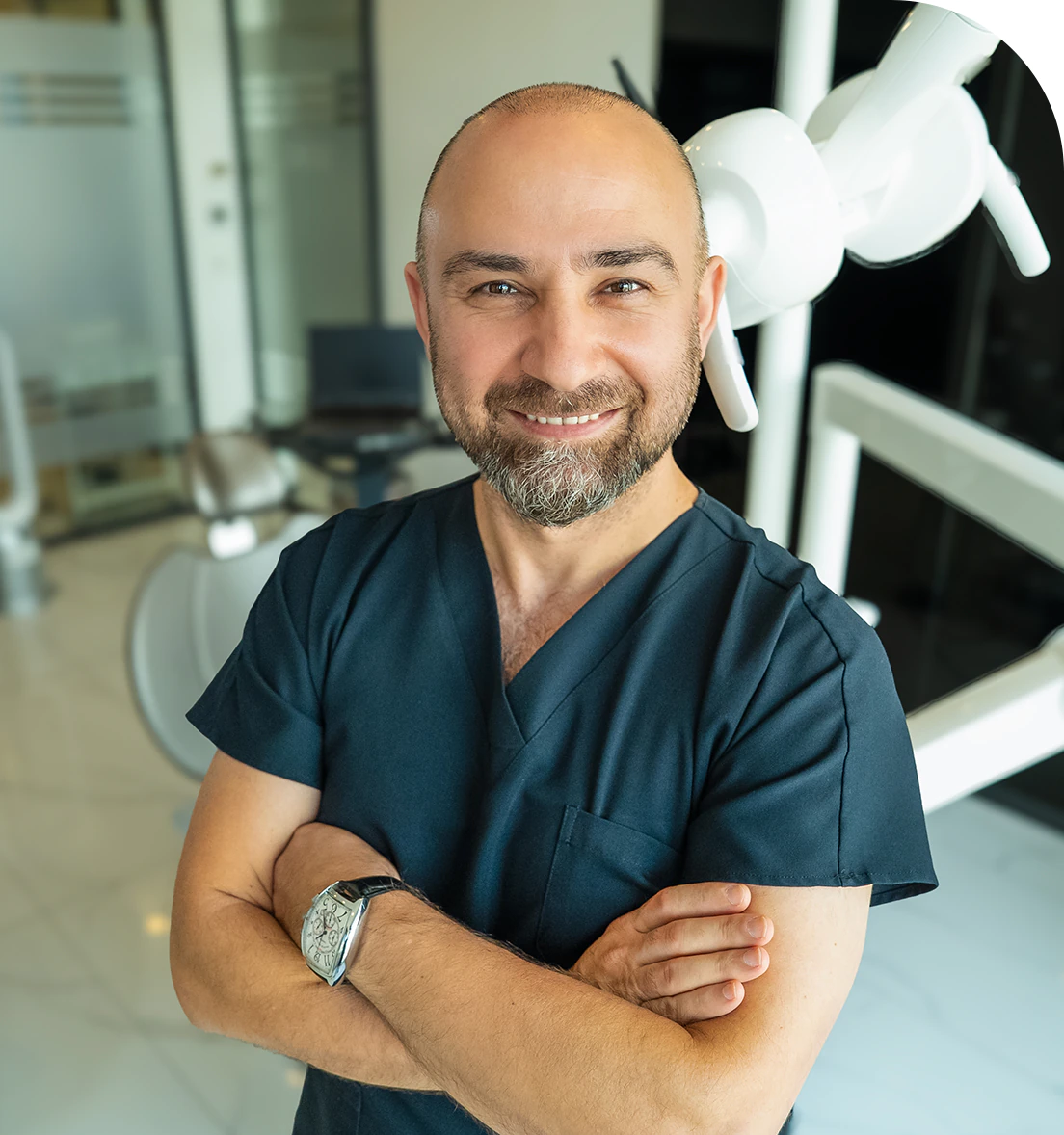
Dr. Dt. Ömer Atar provides care at his private clinic in Istanbul, combining his academic background and many years of clinical experience in dentistry. With a treatment approach that integrates aesthetic and functional solutions, he aims to achieve natural, balanced, and long-lasting results through personalized planning for each patient. Dr. Atar completed his education at the Marmara University Faculty of Dentistry, which he began in 1994, graduating in 2000. He continued his academic work in the Department of Prosthodontics at the same university. In 2007, he earned his PhD degree with his scientific thesis on implants and implant-supported prostheses in patients undergoing distraction osteogenesis. His academic expertise deepened in the fields of metal-free aesthetic systems, implant-supported prostheses, and cosmetic dentistry. Integrating modern technologies and digital dentistry into his practice, Dr. Ömer Atar achieves high success rates in treatments such as smile design, All-on-4/All-on-6 implant treatments, laminate veneers, zirconium crowns, teeth whitening, and gingival aesthetics (gummy smile). As a member of EDAD (Turkish Academy of Aesthetic Dentistry), he embraces a holistic approach focused on modern, functional, and natural outcomes in aesthetic dentistry.


