
 Türkçe
 Français
 Deutsch

Tooth enamel is the protective layer that covers the outer surface of the tooth and is one of the hardest tissues in the human body. Over time, it can erode due to factors such as acidic foods, improper brushing, and teeth grinding. Enamel loss is irreversible, but its progression can be halted.
Causes of enamel erosion include acidic beverages, acid reflux disease, bruxism (teeth clenching), and poor oral hygiene. These factors lead to enamel thinning and exposure of the underlying dentin. As a result, tooth sensitivity and discoloration may occur.
Symptoms of enamel erosion include sensitivity to hot and cold, yellowing, and roughness on the tooth surface. Advanced erosion can increase the risk of cavities. Diagnosis requires dental check-ups and regular examinations.
Treatment depends on the severity of the erosion. Fluoride applications, desensitizing toothpastes, and bonding are used in mild cases. Porcelain veneers or fillings may be necessary in advanced cases. Preventive measures help stop the progression of enamel loss.
| What You Need to Know | Information |
| Definition | Tooth enamel is the outermost layer of the tooth and is the hardest and most durable tissue in the body. It covers the chewing surface of the tooth and protects the underlying dentin and nerve tissues from external influences. It has a translucent appearance and ranges in color from off-white to light yellow. |
| Function | – Protects the tooth from mechanical, chemical, and thermal effects – Maintains the tooth’s form and function – Isolates dentin tissue from external stimuli |
| What is Enamel Erosion? | Enamel erosion refers to the gradual thinning, wearing down, or loss of enamel due to erosion. When the protective layer is damaged, the underlying dentin becomes exposed, resulting in sensitivity, cavities, and aesthetic issues. |
| Causes | – Excessive consumption of acidic foods and beverages (soft drinks, fruit juices, vinegar, etc.) – Teeth grinding (bruxism) – Harsh brushing and incorrect brushing technique – Acid reflux or vomiting bringing stomach acid into the mouth – Low saliva flow (dry mouth) – Acidic oral environment due to medication or systemic diseases |
| Symptoms | – Sensitivity to hot, cold, and sweet foods – Dullness, yellowing, or thinning of the tooth surface – Enamel cracks or chipping at the edges – Increased susceptibility to cavities |
| Diagnosis | Detected through clinical examination by a dentist. If necessary, X-rays are used to evaluate underlying structures. |
| Treatment Methods | – Fluoride applications: Strengthening gels or varnishes to reduce sensitivity – Bonding: Protective coating with composite filling material on eroded surfaces – Porcelain or composite laminate veneers: Used for aesthetic and protective restoration – Crowns: Used in cases of severe erosion – Night guard: Used to prevent wear caused by bruxism |
| At-Home Preventive Measures | – Do not brush teeth immediately after consuming acidic drinks; instead, rinse with water – Brush with a soft toothbrush using the correct technique – Use fluoride toothpaste – Limit intake of sugary and acidic foods – Use a night guard (if teeth grinding is present) |
| Preventive Practices | – Routine dental check-ups – Oral care products that support enamel health |
What Is Tooth Enamel?
Tooth enamel is the outermost surface of the tooth and the hardest, most mineralized tissue in the body. It protects the tooth from external factors like chewing, biting, and temperature changes. Composed of minerals such as calcium and phosphate, enamel can weaken over time due to acidic foods, poor oral hygiene, or trauma, which can lead to cavity formation.
What Is the Difference Between Cavities and Enamel Erosion?
Patients often come to our clinic concerned that “My tooth is decayed” when they feel a loss of material, a hole, or sensitivity. However, not every tissue loss is a cavity. A cavity is caused by bacteria processing sugary foods to produce acid, which dissolves the tooth. In contrast, “Tooth Wear,” which we are focusing on today, is a process where parts of the tooth surface break off or dissolve due to entirely physical or chemical causes—without any bacterial involvement.
In the past, we used to see tooth wear mostly in older adults. The wear from years of use was considered natural. But today, things have changed significantly. Due to modern eating habits, increased stress, and lifestyle changes, we now observe serious enamel loss even in patients in their 20s. This shows that wear is not just age-related, but a cumulative process that progresses over time. If not diagnosed early, the process can reach the dentin, making treatment more complex.
How Do Acidic Beverages Cause Enamel Erosion?
One of the greatest enemies of enamel is chemical dissolution, known as “erosion.” This is not due to mechanical abrasion, but rather the direct dissolving effect of acid. The pH balance inside the mouth is very sensitive. For enamel, the critical threshold is around pH 5.5. When the oral environment drops below this level, enamel crystals begin to dissolve.
When we examine today’s dietary habits, it’s not hard to understand why erosion has become so widespread. Many of my patients ask, “Doctor, I don’t eat sugar—why are my teeth eroding?” Sugar causes cavities, but acid causes erosion. Even seemingly harmless habits can trigger this process. For example, lemon water consumed in the morning for detox purposes or sports drinks sipped throughout the day gradually soften the enamel surface micron by micron.
The most common foods and beverages that cause extrinsic erosion include:
- Cola
- Energy drinks
- Orange juice
- Lemonade
- Vinegar
- Pickle juice
- Wine
When these substances come into contact with teeth, a phase of “softening” begins on the enamel surface. If brushing occurs during this softening phase or if hard foods are chewed, the softened enamel layer can easily be scraped away.
Why Are Stomach Acid and Reflux Dangerous for Tooth Enamel?
Erosion doesn’t always result from external foods and drinks; sometimes the danger comes from within. Stomach acid (hydrochloric acid) is one of the strongest acids in the body, with a pH level around 1–2. The presence of such a powerful acid in the oral environment is catastrophic for tooth enamel.
As dentists, we can often tell whether a patient has stomach problems just by examining their mouth. If the erosion is not on the lip side but on the tongue-facing inner surfaces and chewing surfaces of the teeth, we immediately suspect “Intrinsic Erosion.”
The most common conditions leading to this include:
- Gastroesophageal Reflux Disease (GERD)
- Bulimia
- Morning sickness
- Chronic alcoholism
In these cases, the enamel thins and disappears as if ice were melting in hot water. Patients often notice their teeth changing shape, fillings appearing higher, or teeth becoming yellow.
Can Improper Brushing and Abrasion Lead to Enamel Loss?
Unfortunately, in our society, there’s a common belief that “The harder I brush, the whiter and cleaner my teeth will be.” In reality, brushing teeth should be like polishing a delicate jewel, not like scraping a floor stain. “Abrasion” refers to mechanical wear caused by friction from a foreign object on the tooth surface.
Using hard-bristled toothbrushes and brushing with horizontal strokes parallel to the gums while applying pressure wears away the neck of the tooth (where the gum and tooth meet), which is the weakest area. Enamel in this area is very thin and can quickly erode with improper brushing. The result is deep grooves that look as if they were carved with a saw.
Not just brushing—some habits also lead to abrasion. These habits include:
- Chewing sunflower seeds
- Nail biting
- Pipe smoking
- Chewing on pens
- Holding pins in the mouth
- Using toothpicks excessively
For example, tailors who constantly hold pins in their mouths or office workers who bite pens when stressed develop characteristic wear marks on their teeth.
Do Teeth Grinding and Stress Trigger Enamel Cracks (Abfraction)?
One of the biggest problems of our time is stress, and its manifestation in the mouth is often “bruxism,” i.e., teeth grinding and clenching. Teeth grinding exerts force equivalent to tons of pressure on the teeth. This excessive load causes two types of wear.
The first is “Attrition,” which is caused by tooth-to-tooth contact. The tips of teeth that rub against each other all night become flat like sanded surfaces. The length of the teeth shortens, leading to an aged appearance.
The second, and more interesting, is “Abfraction.” When excessive vertical force is applied to the teeth, they perform a micro-level flexing motion. During this flexing, the enamel crystals at the neck of the tooth (enamel–cement junction) cannot withstand the pressure and break off. As a result, V-shaped notches form just above the gum line. These lesions are not cavities but the result of physical stress.
Factors contributing to abfraction include:
- Stress
- Premature contacts
- Malocclusion (bite misalignment)
- High restorations
What Are the Symptoms of Tooth Enamel Erosion?
Enamel loss typically progresses silently, and patients may not notice it in the early stages. However, as the condition advances, clear signals begin to appear, especially while eating or in front of a mirror. There are some key signs you can look for when examining your own mouth:
The most common symptoms include:
- Yellowing
- Translucency
- Sensitivity
- Pitting
- Shortening
- Notching
- Dull appearance
- Chipped edges
One especially typical symptom is the “rising” of old fillings. If a filling seems higher than the surrounding tooth, it doesn’t mean the filling has expanded—it means the surrounding tooth structure has eroded, leaving the filling like an island in the middle.
How Is Tooth Enamel Erosion Diagnosed During a Dental Exam?
Proper treatment starts with proper diagnosis. For us as dentists, identifying the type of erosion is crucial to successful treatment. Because even the most perfect porcelain restoration will fail quickly if the underlying cause is not addressed.
The shape of the lesion during examination tells us a lot. If the wear is wide, shallow, and shiny, we immediately consider “Erosion” (acid-related) or “Abrasion” (brushing-related). If the lesion is deep, narrow, and sharply defined, it usually points to “Abfraction” (stress-related grinding).
The patient interview (medical history) is also essential during diagnosis. We ask detailed questions about the patient’s lifestyle.
Some critical questions include:
- Dietary habits
- Use of stomach medications
- Timing of brushing
- Stress level
- Occupation
- Exercise and sports habits
For example, professional swimmers may suffer enamel erosion due to pool chlorine affecting pH balance, while wine tasters may experience occupational erosion.
What Precautions Should Be Taken to Stop Tooth Enamel Erosion?
The first and most important step in treatment is eliminating the factor causing the erosion. We call this “etiological control.” If we try to mop the floor while the tap is still running, we won’t succeed; we must turn off the tap first.
If the issue is caused by stomach acid (such as reflux), we always refer the patient to a gastroenterologist. Any dental intervention before resolving the stomach issue will only be temporary.
In erosion due to diet, lifestyle changes are essential. Even if you cannot completely eliminate acidic beverages from your life, you can reduce their harm by changing how you consume them.
Simple but effective preventive measures include:
- Straw
- Water
- Cheese
- Chewing gum
- Soft toothbrush
- Night guard
Brushing teeth immediately after consuming acidic food or drink is one of the biggest mistakes. Acid softens the enamel, and brushing scrapes away the softened layer. Therefore, one should wait at least 30–60 minutes before brushing and rinse the mouth only with water after consuming acidic items. Calcium-rich foods like cheese or milk help neutralize acid and protect enamel.
What Treatments Are Applied in Early-Stage Erosion?
The principle that early diagnosis saves lives applies in dentistry too. If the erosion has not yet reached the dentin and is limited to surface loss, we prefer “minimally invasive” preventive treatments. Our aim is to strengthen the tooth without removing any structure.
At this stage, we apply high-fluoride varnishes and special calcium-phosphate gels in the clinic to increase enamel resistance and promote remineralization. These treatments also significantly reduce sensitivity.
If there are aesthetic concerns or minor material loss, we use “bonding” or “composite filling” methods. Today’s composite materials mimic the tooth’s natural color through a chameleon effect.
Advantages of composite applications include:
- Speed
- Affordability
- Conservation
- Repairability
This method does not require removing any part of the tooth; only the missing portion is restored. It is particularly successful in treating fractures at the edges of front teeth or erosion at the gum line.
Are Porcelain Fillings (Inlays/Onlays) Used in Advanced Loss?
When erosion progresses and a large part of the inner tooth structure (dentin) is exposed, standard fillings may be insufficient. If the tooth walls are thin, placing a large composite filling can be risky—biting pressure might cause the weakened walls to fracture or lead to leakage between the filling and tooth.
In such cases, we prefer lab-fabricated “inlay” or “onlay” restorations. These are porcelain fillings that complete the missing part of the tooth like puzzle pieces.
Advantages of inlays and onlays include:
- Durability
- Fit
- Aesthetics
- Hardness
In this treatment, a dental impression is taken, and the missing part is produced in a laboratory using strong and durable porcelain blocks. It is then bonded to the tooth with special adhesives. This preserves the remaining healthy tooth structure and restores the tooth’s structural integrity for chewing.
Are Porcelain Veneers or Crowns Necessary for Aesthetic Problems?
Widespread erosion on front teeth significantly affects a patient’s smile aesthetics. Teeth become shorter, yellow, translucent at the edges, and their surfaces turn rough. In such cases, to restore both aesthetics and protection, “porcelain veneer” applications are the ideal solution.
Veneers are ultra-thin porcelain shells bonded to the front surfaces of the teeth. They can be applied with minimal (0.3–0.7 mm) or no reduction of tooth structure. They are resistant to acid attacks, do not discolor, and provide a new enamel-like protective layer over the front of the tooth.
However, if the erosion is severe and the structural integrity of the tooth is compromised, “crown” treatment may become necessary. Teeth may be so shortened that the vertical facial height decreases, leading to wrinkles at the corners of the lips.
Cases that require crown treatment include:
- Fracture risk
- Excessive shortening
- Widespread decay
- Severe sensitivity
Crowns cover the tooth completely like a helmet. Today’s full ceramic or zirconia crowns are so aesthetic that they are indistinguishable from natural teeth, unlike old metal-based crowns. They provide excellent gum compatibility and do not cause “grey shadowing.”
Frequently Asked Questions
What is tooth enamel and what is its function?
Tooth enamel is the outermost layer of the tooth and the hardest tissue in the body. It protects the underlying dentin and makes the tooth resistant to chewing forces, acids, and temperature changes.
Why does enamel erode?
Acidic foods and drinks, teeth grinding, aggressive brushing, reflux, and nighttime clenching cause enamel erosion. As erosion progresses, the dentin becomes exposed, leading to sensitivity.
How is enamel erosion detected?
Symptoms such as sensitivity, yellowing, rough surfaces, enamel thinning, and discomfort while chewing indicate enamel loss. These signs are usually more noticeable on the front teeth.
Can enamel regenerate?
No, enamel is not a living tissue and cannot naturally regenerate. Therefore, enamel loss is irreversible—but its progression can be halted, and its effects can be minimized.
What treatments are applied for enamel erosion?
In early stages, fluoride applications, desensitizing toothpastes, and dietary changes are recommended. In advanced cases, bonding, composite restorations, or crowns may be necessary.
Does enamel loss cause pain?
Yes, especially sensitivity to hot and cold foods may occur. When enamel is completely worn away, dentin becomes exposed, leading to increased nerve stimulation and pain.
How does fluoride help with enamel erosion?
Fluoride prevents mineral loss from the tooth surface and supports remineralization, increasing enamel resistance. Regular use of fluoride toothpaste and professional fluoride treatments are recommended.
What kind of diet is recommended to strengthen enamel?
Dairy products rich in calcium and phosphate, leafy green vegetables, and low-sugar foods support enamel health. The consumption of acidic beverages should be limited.
When is a dental crown necessary for enamel erosion?
If erosion is advanced and affects chewing or aesthetics, crowns may be required. Porcelain or zirconia crowns protect the tooth and restore its function.
What can be done to prevent enamel erosion?
Brushing with a soft brush and proper technique, limiting acidic drinks, using a night guard if grinding is present, and attending regular dental check-ups are key preventive measures.
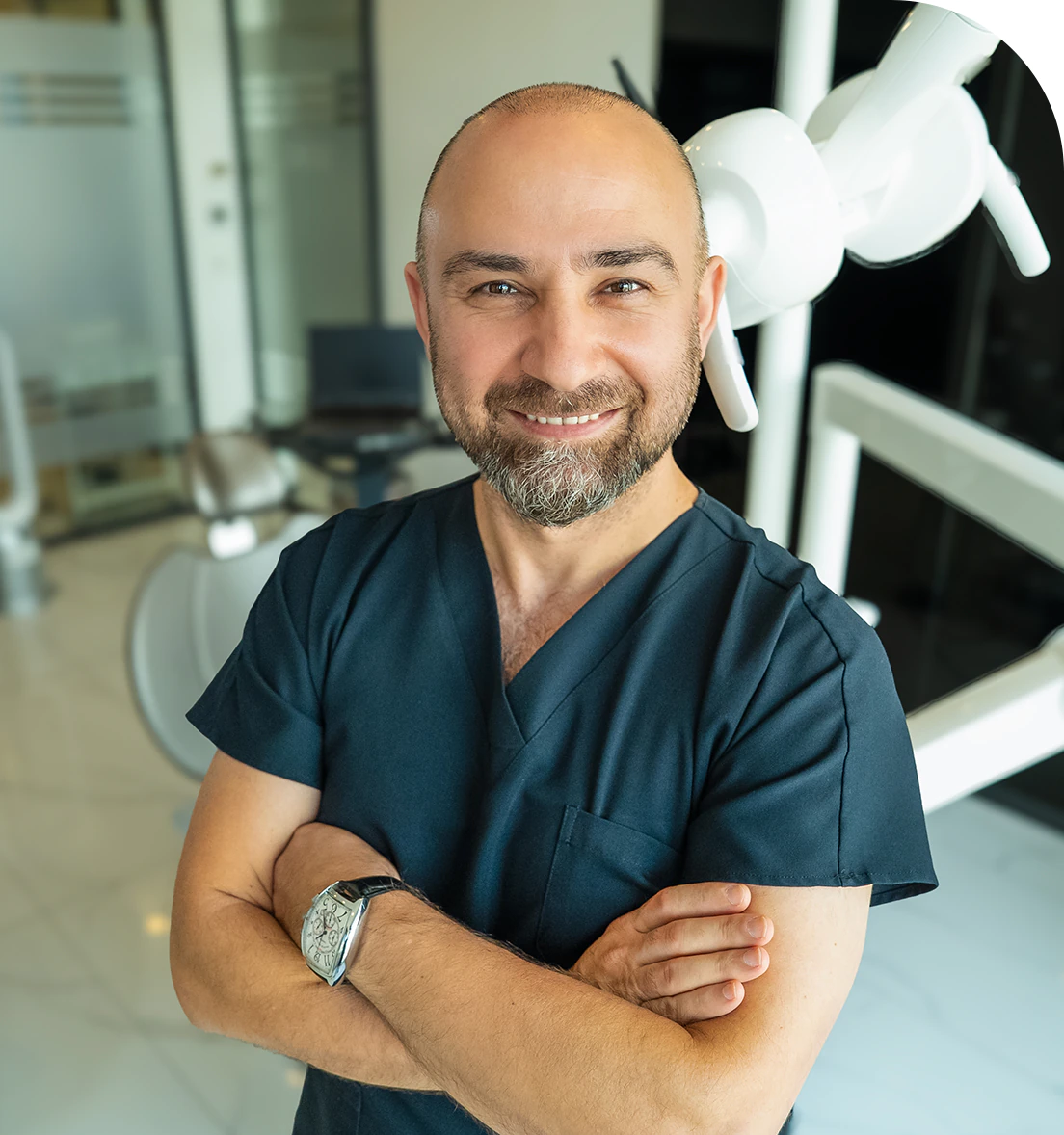
Dr. Dt. Ömer Atar provides care at his private clinic in Istanbul, combining his academic background and many years of clinical experience in dentistry. With a treatment approach that integrates aesthetic and functional solutions, he aims to achieve natural, balanced, and long-lasting results through personalized planning for each patient. Dr. Atar completed his education at the Marmara University Faculty of Dentistry, which he began in 1994, graduating in 2000. He continued his academic work in the Department of Prosthodontics at the same university. In 2007, he earned his PhD degree with his scientific thesis on implants and implant-supported prostheses in patients undergoing distraction osteogenesis. His academic expertise deepened in the fields of metal-free aesthetic systems, implant-supported prostheses, and cosmetic dentistry. Integrating modern technologies and digital dentistry into his practice, Dr. Ömer Atar achieves high success rates in treatments such as smile design, All-on-4/All-on-6 implant treatments, laminate veneers, zirconium crowns, teeth whitening, and gingival aesthetics (gummy smile). As a member of EDAD (Turkish Academy of Aesthetic Dentistry), he embraces a holistic approach focused on modern, functional, and natural outcomes in aesthetic dentistry.


