
 Türkçe
 Français
 Deutsch
 العربية
 Nederlands
 Italiano
 Русский
 Svenska

Bonding teeth prices are shaped depending on the number of teeth to be treated, the technological quality of the composite material used, and the duration of aesthetic workmanship required by the case. Applied without damaging the tooth tissue, this treatment offers a budget-friendly and conservative option compared to more costly methods such as porcelain laminate veneers. The pricing evaluated within the scope of aesthetic smile design is directly connected to the size of the gaps between the teeth, the depth of fractures, and the artistic touch of the dentist. The cost of this functional investment completed in a single session is a completely personalized technical labor fee determined after clinical examination according to the needs of each oral structure.
Why Do Bonding Teeth Prices Differ Between Clinics?
Aesthetic dentistry applications are far from being a standard product. While calculating the budget of a restorative treatment, the enormous system operating in the background and the personalized labor involved must be evaluated. Price differences between clinics mainly arise from the fact that this procedure is a medically artistic treatment designed entirely for the individual. Every oral structure, the enamel of every tooth, and every patient’s smile line are as unique as a fingerprint. While intervening in this unique structure, the quality of the service offered varies greatly from clinic to clinic.
The standards of the clinic performing the application are among the most fundamental determinants of pricing. Strict infection control protocols, the quality of sterilization systems used, and the comfortable environment allocated to the patient are invisible but vital cost elements. In addition, aesthetic treatments require intense concentration and a quiet, stress-free clinical environment. Centers offering quality service aim to allocate the careful time each individual deserves by keeping the daily patient count limited. In this system focused on quality rather than volume, the value of the time spent chairside is naturally higher. This situation appears as a direct reflection of the time, hygiene, and meticulous service provided to you.
What Is the Direct Effect of the Number of Teeth to Be Treated on Bonding Prices?
While planning smile aesthetics, the width of the intervention area is the clearest and most understandable criterion shaping the budget. Naturally, the cost structure of repairing a small fracture on a front tooth and a comprehensive smile design covering the entire anterior region are very different from each other. A touch-up on a single tooth can generally be completed in a short time by quickly matching the color of the surrounding teeth. However, when multiple teeth are involved, the process turns into a project of civil engineering and sculpture.
When a restoration plan covering eight teeth is designed, each tooth must be in harmony with the others, positioned symmetrically according to the facial midline, and supported by the lip structure. In multiple-tooth applications, the dentist does not focus on just one tooth; a holistic composition is created. Many parameters are calculated, such as how much the teeth will be visible while the lips are at rest and the gum level during smiling.
The main factors affecting the process and budget in multiple-tooth restorations are:
- Amount of composite material
- Consumption of adhesive agents
- Use of polishing discs
- Clinical chair time
- Symmetry design effort
How Does the Quality of the Composite Material Used Affect Bonding Teeth Prices?
Although the “composite resin” materials used in bonding procedures may appear to be in similar tubes from the outside, there are enormous differences between them in terms of content and technology. It is impossible to place standard filling materials and high-end aesthetic bonding materials on the same scale. Nanohybrid or sub-micron hybrid composites produced by the world’s leading dental companies are the result of decades of clinical research and high R&D costs.
The biggest reason advanced technology products increase the price is that the particles they contain are microscopic in size. The smaller the filler particles are, the higher the polishability of the material becomes. A glass-like shiny surface does not retain tea or coffee stains over time. In addition, these advanced materials imitate the light reflection properties of the natural tooth exactly. A natural tooth does not only reflect light but also absorbs and transmits part of it. These are called opalescence and fluorescence properties. High-quality materials provide this optical illusion perfectly, making the restoration indistinguishable from a real tooth.
The features of superior quality composites reflected in the budget are:
- Chameleon effect
- Long-lasting brightness
- Natural light reflection
- High fracture resistance
- Insolubility in saliva
Why Are Dentist Experience and Handcraftsmanship So Determinative on Bonding Fees?
Aesthetic dentistry is one of the fields where technical knowledge and artistic talent are blended at the highest level. Rather than being a standard procedure, the bonding process is an intensive art therapy in which the dentist works almost like a sculptor, rebuilding the anatomical structure of the tooth from scratch. Therefore, the biggest factor determining the value of the treatment is the practitioner’s knowledge, aesthetic vision, and the time spent.
A natural tooth does not consist of a single and flat color. While it has a more opaque and yellowish structure towards the root area, it becomes transparent and bluish/grayish towards the incisal edges. To capture this naturalness, an expert dentist applies a very delicate workmanship called the layering technique. Dentin layers imitating the inner structure of the tooth, enamel layers covering them, and transparent effect materials placed at the tip are taken millimetrically from different tubes and layered on top of each other. Processing even a single tooth in this way to achieve the closest form to nature can take hours. The dentist’s advanced training in this field and the intensive effort dedicated to the case permanently determine the value of the treatment.
In Which Situations Does the Technical Difficulty of the Case Increase the Bonding Budget?
Each patient’s oral structure, problems encountered, and expectations are completely independent from one another. Sometimes only a tiny abrasion correction is requested, while sometimes the entire occlusion relationship may need to be changed. Since the difficulty level of the case determines the technique the dentist will use, the biomechanical principles to be calculated, and the effort required, it plays a critical role in pricing.
For example, closing the gaps between the front teeth requires extremely detailed mathematics. While closing the gap in the middle, the widths of both teeth on the right and left sides must be increased symmetrically according to golden ratio rules. If this ratio is not calculated, the teeth will appear excessively wide and rough. Similarly, masking dark antibiotic stains or ensuring durability in risky cases where the upper and lower jaws meet edge-to-edge requires deep engineering planning. Since all these clinical obstacles require extra time and different material combinations, they directly affect the budget.
The main clinical conditions increasing the difficulty level are:
- Diastema closure
- Dark color masking
- Tooth lengthening
- Alignment of crowding
- Severe fracture repairs
Why Are Bonding Prices More Economical Compared to Porcelain Veneers?
While planning smile aesthetics, patients are generally undecided between bonding and porcelain laminates or zirconium veneers. When treatment alternatives are compared in terms of budget, composite restorations always stand out as a more accessible option. The main reason behind this lies in the differences in the production stages.
In indirect treatments such as porcelain and zirconium, the process does not end in the dentist’s chair. After impressions are taken from the teeth, these molds are sent to an external ceramic laboratory. Here, specialist ceramists prepare the porcelain veneers through firing and processing stages lasting for days. This adds a serious external laboratory cost to the treatment in addition to the dentist’s labor. However, in the bonding procedure, all production is carried out chairside directly by the dentist at that moment. Since there is no third production stage involved, the budget remains much more balanced. In addition, the ability to apply it without even numbing the tooth and without removing any tooth tissue is one of the invaluable biological advantages of this method.
Does Clinical Equipment and Isolation Quality Reflect on Bonding Treatment Prices?
The biggest enemy of a successful bonding procedure is moisture. The oral environment is extremely humid in terms of saliva, blood, and respiratory vapor. In order for aesthetic composites to adhere to the tooth for a lifetime, the working area must be bone dry. At this point, the technological infrastructure offered by modern clinics comes into play.
In high-quality treatments, the teeth to be treated are completely isolated from the oral cavity with a special rubber dam. In this way, while the patient can swallow comfortably, the dentist gains the opportunity to work in a dry and safe area. The use of this dam system requires additional expertise, material consumption, and time. Likewise, polymerization lights with wide wavelengths and high power used to properly harden the placed composites are very expensive technological devices. High-magnification microscopes and loupes used by the dentist to see millimetric details are also factors that elevate treatment quality to the highest level. Clinics naturally integrate these investments made to raise treatment standards into the value of their services.
The equipment that is offered as standard in modern clinics and increases value includes:
- Rubber dam systems
- Magnifying microscopes
- High-intensity lights
- Precision polishing sets
How Do Digital Smile Design and Trial Procedures Shape Bonding Pricing?
Especially in aesthetic changes involving multiple teeth, preventing surprising results is of utmost importance. In the past, patients could only see the result of the treatment after the procedure was fully completed. However, today, thanks to digital planning methods, the process has been completely reversed. The patient being able to see their new smile on their own face before starting treatment provides great comfort, and this process requires an additional preparation budget.
In the first session, three-dimensional records are taken from the patient using digital intraoral scanners. The patient’s facial expressions are analyzed with photographs and video recordings. The most suitable tooth forms for the face are designed through special software. This design is then transferred to a special silicone mold and tested in the patient’s mouth with a temporary and removable material. During this procedure called a mock-up, the patient clearly sees the length, width, and facial expression provided by the new teeth. Desired changes can be made. Since this preliminary design and analysis process requires an extra laboratory stage and a separate appointment, it is a highly professional and reassuring additional service that changes the smile design budget.
How Does the Repairability Feature Provide an Advantage in Bonding Costs in the Long Term?
While performing a cost analysis of aesthetic treatments, not only the amount paid to the clinic on the day of the procedure but also the expenses that may arise throughout the life cycle should be considered. The oral environment is an incredibly stressful area. Chewing forces, nighttime teeth grinding habits, or contact with hard substances such as forks or seeds pose risks for all types of restorations over the years.
The greatest economic and psychological strength of bonding restorations lies precisely here, namely in their repairability. If a porcelain laminate or zirconium veneer in your mouth breaks as a result of severe trauma, generally that veneer must be completely removed, new impressions must be taken, sent to the laboratory, and the entire cost must be paid again. However, composite materials are flexible by nature and adhere to the tooth almost like welding; therefore, in the event of a small fracture, only that area can be repaired with a small addition. This repair process can be completed in a single session, in approximately fifteen minutes, and at a very low cost. This unique feature protects the patient from enormous additional expenses that may arise in accident situations over the years.
Do Applications Performed with Cheap Materials Create a Hidden Burden on Bonding Prices in the Future?
In healthcare services, options offered much cheaper than usual generally contain “hidden cost” traps. Aesthetic procedures completed quickly, without sufficient time allocation, and using low-grade materials may seem attractive at first, but shortly afterward they will confront you with much bigger problems.
In carelessly applied and poorly isolated procedures, microscopic gaps remain between the tooth and the material. Over time, tea, coffee, food residues, and bacteria leak into these invisible spaces. As a result of leakage, brown or black lines that cannot be cleaned form at the edges of the filling. In addition, expensive polishing systems are not used in low-cost procedures; the surface is left rough. Since a rough surface continuously accumulates plaque, it leads to gum bleeding and chronic inflammation. The lifespan of a failed and rushed procedure is very short. When all fillings need to be removed and redone after a short time, the patient has to spend many times more than the amount supposedly saved initially, both financially and emotionally.
The hidden risks brought by faulty or cheap applications are:
- Marginal leakage
- Early discoloration
- Gum inflammations
- Chronic cold sensitivity
- Unexpected major fractures
How Do Regular Polishing and Maintenance Sessions Protect the Life Cycle of Bonding Teeth Prices?
Like all beautiful things, aesthetic restorations also need regular care in order to maintain their original brightness. After the bonding procedure is completed, your relationship with the dentist does not end; on the contrary, a new process begins to preserve the health of the restoration. Extending the lifespan of the treatment over decades and avoiding major renewal costs completely depends on this maintenance routine.
Especially in individuals who consume intense amounts of tea, coffee, red wine, or use cigarettes, slight dullness or superficial staining may occur on the surface of the material over time. This is an extremely natural process. During routine clinical visits every six months or annually, the dentist cleans the surface of the restoration within minutes using special polishing discs and diamond-containing polishing pastes. This professional polishing procedure restores the filling to its original smooth and glass-like shiny texture. Since surface irregularities are eliminated through regular maintenance, gum health is also preserved at the maximum level. These short and economical control sessions are the most rational investment protecting your budget by postponing the necessity of completely renewing the composites for years.
The long-term advantages provided by regular clinical maintenance are:
- Extension of restoration lifespan
- Postponement of renewal budget
- Preservation of natural brightness
- Cavity and plaque control
What Should Be Considered While Planning a Bonding Budget for an Aesthetic Smile Design?
As a result, while planning treatments that combine aesthetics and health, the point to focus on should not only be numbers. The real focus should be the value offered, long-term health, and the psychological satisfaction achieved. Your oral health and smile are among the most permanent and important investments you can make in yourself.
While planning a budget, it is of great importance to examine the previous cases of the dentist who will perform the procedure, establish open communication about the quality of the materials used, and discuss post-treatment maintenance processes in detail. A correctly planned aesthetic touch applied with high-standard materials and patience changes not only your teeth but also your smile, self-confidence, and the energy in your social life completely. These methods, which provide maximum aesthetics with minimal interventions, both allow you to preserve your natural tooth tissue and offer you a safe roadmap by preventing potential major dental health expenses in the future.
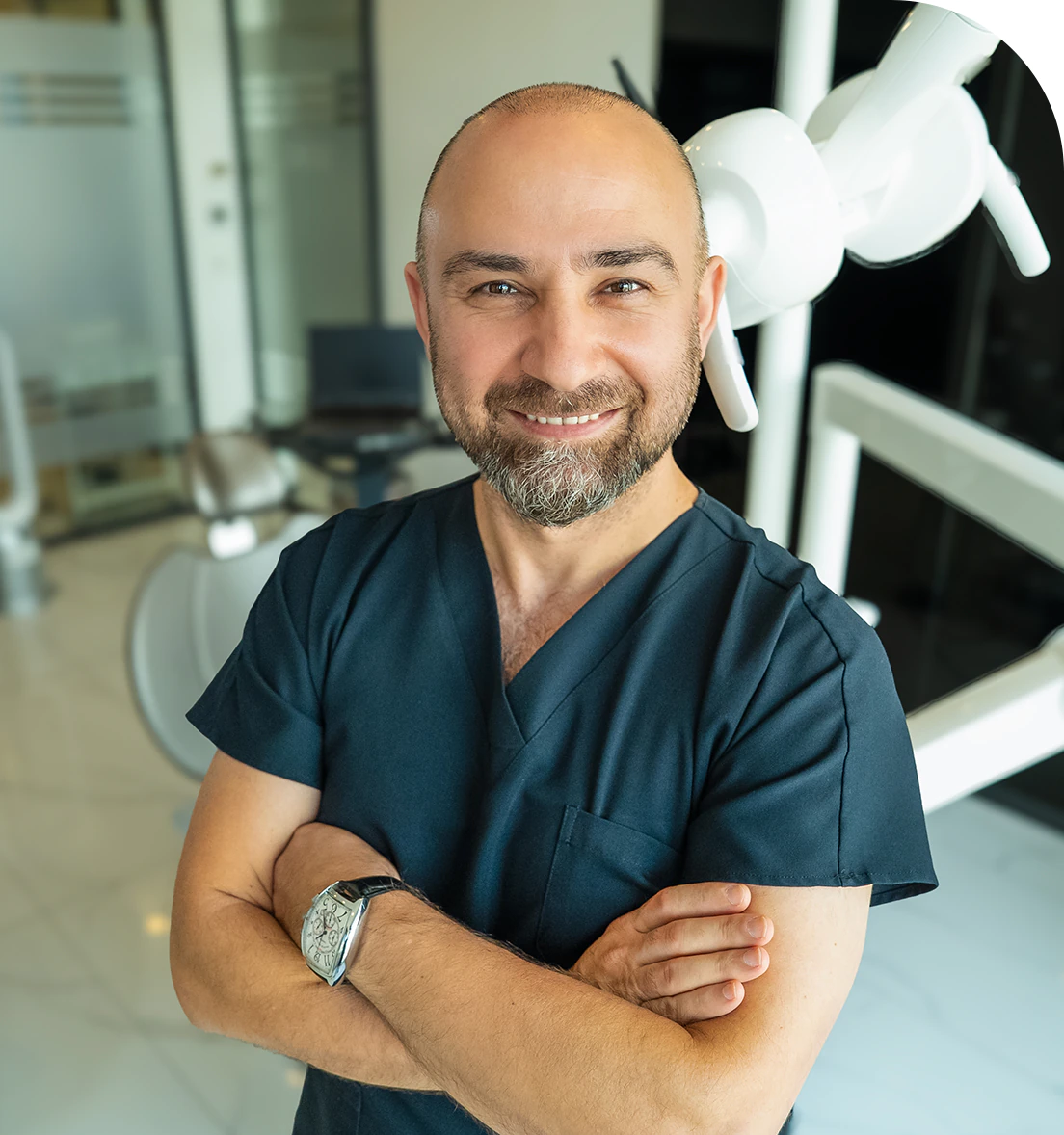
Dr. Dt. Ömer Atar provides care at his private clinic in Istanbul, combining his academic background and many years of clinical experience in dentistry. With a treatment approach that integrates aesthetic and functional solutions, he aims to achieve natural, balanced, and long-lasting results through personalized planning for each patient. Dr. Atar completed his education at the Marmara University Faculty of Dentistry, which he began in 1994, graduating in 2000. He continued his academic work in the Department of Prosthodontics at the same university. In 2007, he earned his PhD degree with his scientific thesis on implants and implant-supported prostheses in patients undergoing distraction osteogenesis. His academic expertise deepened in the fields of metal-free aesthetic systems, implant-supported prostheses, and cosmetic dentistry. Integrating modern technologies and digital dentistry into his practice, Dr. Ömer Atar achieves high success rates in treatments such as smile design, All-on-4/All-on-6 implant treatments, laminate veneers, zirconium crowns, teeth whitening, and gingival aesthetics (gummy smile). As a member of EDAD (Turkish Academy of Aesthetic Dentistry), he embraces a holistic approach focused on modern, functional, and natural outcomes in aesthetic dentistry.


