
 Türkçe
 Français
 Deutsch
 Nederlands
 Svenska

The question of what precautions should be taken after a dental filling is important for the longevity of the filling and the protection of oral health. After the procedure, eating should be avoided until the effect of anesthesia wears off, and soft tissue injuries such as biting the lips or cheeks should be prevented.
Nutritional habits in the first hours after a dental filling require special care. Especially after composite fillings, hard, sticky, and very hot foods may negatively affect the surface integrity of the filling. Chewing with the treated tooth should be postponed to allow the filling to fully adapt.
Sensitivity and pain may occur after a dental filling, and this condition is usually temporary. Sensitivity to cold, heat, or pressure generally decreases within a few days. However, if there is discomfort during chewing due to the height of the filling, it should be checked by a dentist.
Paying attention to oral hygiene after a dental filling plays a fundamental role in preventing secondary caries. Regular brushing, use of dental floss, and routine dental check-ups should not be neglected. In cases of prolonged pain, a sensation of cracking, or filling loss, a dentist should be consulted without delay.
Is What Is Felt Immediately After the Procedure Normal?
A feeling of numbness in the first hours after a dental filling is common. Due to the effect of local anesthesia, the lips, cheeks, or tongue may temporarily lose sensation. During this period, situations such as accidentally biting the cheek may occur, so caution is recommended. Avoiding hot foods and beverages until the numbness subsides may help protect the oral tissues.
Some patients may describe a feeling of fullness or mild pressure in the filled tooth. This condition is generally temporary and is considered part of the adaptation process to the new tooth surface.
How Should Nutrition Be in the First 24 Hours?
Post-filling nutrition may vary depending on the filling material used. Composite (white) fillings usually harden during the procedure, so eating is often allowed on the same day. However, avoiding very hard or sticky foods in the first few hours may increase oral comfort.
Amalgam fillings may have a longer hardening time. After such fillings, patients may be advised not to chew on the treated side for the period specified by the dentist. This period is important for the durability of the filling.
In general, it is recommended to pay attention to the following points on the first day:
- Extremely hot or very cold foods should not be preferred
- Hard-shelled foods should be avoided
- Sugary and sticky snacks should be limited
How Long Does Sensitivity Last?
Sensitivity to hot, cold, or sweet foods after a dental filling is a common condition. This sensitivity usually decreases within a few days. In some patients, this period may last one to two weeks.
The reason for sensitivity is the stimulation of the tooth tissue during the filling process and the temporary effect on the nerve tissue. During this period, using desensitizing toothpaste may help relieve symptoms. However, if the pain gradually increases or if there is spontaneous pain, a dentist should be consulted for evaluation.
What Does It Mean If the Filling Feels Too High?
Some patients may experience an uncomfortable contact sensation when they close their teeth after a filling. This condition may result from the filling remaining too high on the chewing surface. A high filling may cause jaw pain or tooth sensitivity over time.
When such a sensation is noticed, it is important to contact the dentist rather than waiting with the thought that one will “get used to it.” The problem can usually be resolved in a short time with a minor adjustment.
How Should Oral Hygiene Be Maintained?
Having a dental filling does not mean that oral care should be neglected. On the contrary, regular oral hygiene is of great importance in protecting the tooth structure around the filling.
After the filling:
- Teeth should be brushed at least twice a day
- The use of dental floss should not be neglected
- Soft-bristled brushes should be preferred instead of hard-bristled brushes
When using dental floss, gently removing the floss from the side surface instead of pulling it forcefully upward in the area of the filling may help protect the filling margins.
What Do Persistent Pain and Leakage Indicate?
Mild aching after a filling is generally an expected condition. However, if the pain continues for several weeks or reaches a level that wakes the patient at night, this situation may require a different evaluation. In some cases, the depth of the filling, its proximity to the dental nerve, or the pre-existing condition of the tooth may lead to these complaints.
In addition, sensations of catching at the filling margins, food accumulation, or the presence of a bad taste in the mouth should not be ignored. Such symptoms may indicate the need for a check regarding the adaptation of the filling.
How Long Does a Filled Tooth Last?
Patients often wonder how long dental fillings can be used. This duration may vary depending on the material used, oral hygiene, teeth clenching habits, and the individual’s chewing force.
Although fillings have a certain lifespan, their condition can be monitored through regular dental check-ups. During these check-ups, the marginal adaptation of the filling and whether new caries have formed underneath are evaluated.
Patients With Teeth Clenching and Grinding Habits
In patients with teeth clenching or grinding habits, fillings may be subjected to greater load. This may cause the filling to wear down or crack over time. If such a habit exists, it is important to share this information with the dentist.
In some patients, protective measures such as night guards may be recommended. The necessity of such applications is determined based on individual examination and evaluation.
When Should a Dentist Be Consulted?
The process after a dental filling generally progresses without problems. However, in the following situations, it is recommended to contact a dentist without delay:
- Severe and increasing pain
- Significant discomfort while biting
- Filling falling out or cracking
- Sensitivity that does not resolve over a long time
Each patient’s oral structure and dental condition are different. Therefore, the evaluation of symptoms experienced after a filling should also be carried out on an individual basis.
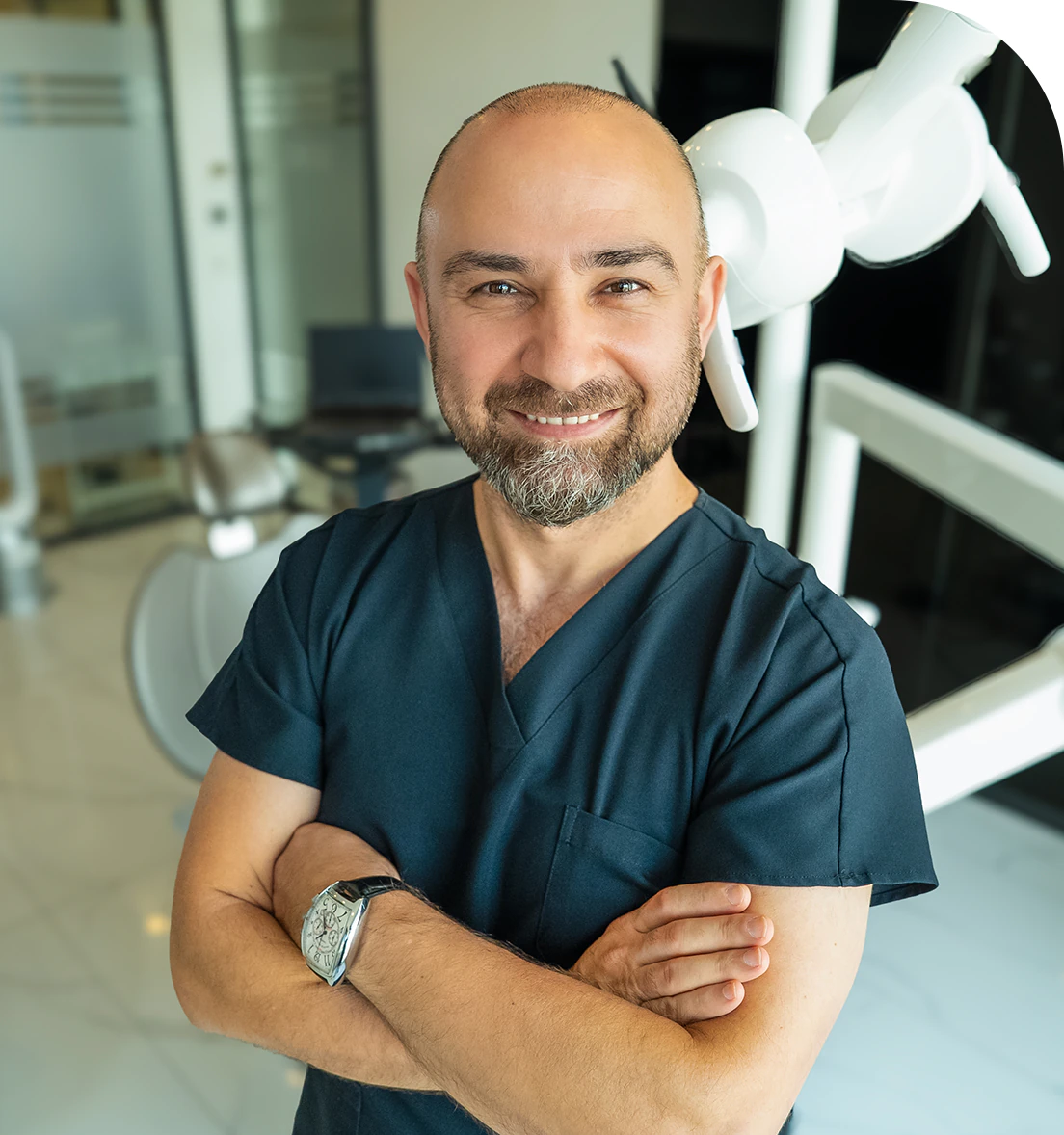
Dr. Dt. Ömer Atar provides care at his private clinic in Istanbul, combining his academic background and many years of clinical experience in dentistry. With a treatment approach that integrates aesthetic and functional solutions, he aims to achieve natural, balanced, and long-lasting results through personalized planning for each patient. Dr. Atar completed his education at the Marmara University Faculty of Dentistry, which he began in 1994, graduating in 2000. He continued his academic work in the Department of Prosthodontics at the same university. In 2007, he earned his PhD degree with his scientific thesis on implants and implant-supported prostheses in patients undergoing distraction osteogenesis. His academic expertise deepened in the fields of metal-free aesthetic systems, implant-supported prostheses, and cosmetic dentistry. Integrating modern technologies and digital dentistry into his practice, Dr. Ömer Atar achieves high success rates in treatments such as smile design, All-on-4/All-on-6 implant treatments, laminate veneers, zirconium crowns, teeth whitening, and gingival aesthetics (gummy smile). As a member of EDAD (Turkish Academy of Aesthetic Dentistry), he embraces a holistic approach focused on modern, functional, and natural outcomes in aesthetic dentistry.


