
 Türkçe
 Français
 Deutsch

Zirconium crown in Turkey is a high-quality dental restoration option that combines advanced aesthetic properties with durable ceramic infrastructure, widely preferred for anterior and posterior teeth rehabilitation. These crowns provide metal-free strength, biocompatibility, and natural translucency.
Cost of zirconium crown treatment in Turkey is significantly more affordable compared to many European countries, while maintaining international clinical standards and accredited dental facilities. Treatment plans typically include digital impressions, CAD/CAM production, and personalized shade matching.
Advantages of zirconium crowns for aesthetic dentistry include superior light transmission, resistance to staining, and minimal risk of allergic reaction due to their metal-free composition. The material supports healthy gingival tissues and ensures long-term structural stability under masticatory forces.
Zirconium crown procedure process in Turkey involves comprehensive oral examination, tooth preparation under local anesthesia, precise digital measurements, and laboratory fabrication using computer-assisted systems. Final placement ensures optimal occlusion, marginal adaptation, and functional longevity.
| Things You Should Know | Information |
| Definition | Zirconium crown is a highly aesthetic and durable dental coating made from white ceramic material based on zirconia oxide, closely resembling the appearance of natural teeth. |
| Purpose of Use | Used to correct the color, shape, and alignment of teeth; to restore decayed or broken teeth; and to provide aesthetic smile design. |
| Application Areas | Anterior tooth aesthetics, discolored teeth, correction of misaligned teeth, covering old fillings, bridge prostheses for missing teeth. |
| Application Steps | 1) Minimal reduction of the tooth to take impressions
2) Taking intraoral impressions or digital scanning 3) Preparation of custom zirconium crown in the laboratory 4) Temporary crown placement 5) Trial and cementation of the prepared zirconium crown |
| Application Duration | Usually completed within 4–7 days. Typically requires 2–3 sessions. |
| Aesthetic Advantage | Light transmittance is very close to that of natural teeth. Since it contains no metal, it does not cause dark discoloration at the gum line. |
| Durability | With proper care, it can be used for 10–15 years or longer. It has high resistance to biting forces. |
| Oral Compatibility | It is a tissue-friendly material with low risk of allergic reaction. It is highly compatible with the gums. |
| Color Stability | Resistant to staining substances such as tea, coffee, and cigarettes. Maintains its natural whiteness for a long time. |
| Who Is It Suitable For? | Suitable for individuals seeking aesthetic appearance, those who do not want metal-supported crowns, those with allergy risks, and patients with a healthy tooth root structure. |
What is Zirconium Crown?
Zirconium crown is a type of tooth covering applied to natural teeth to improve dental aesthetics and durability. It is white-colored, metal-free, and made from zirconia oxide. Its light transmittance makes it very close in appearance to natural teeth. It is preferred in aesthetic smile design and in the restoration of broken or severely damaged teeth. It does not cause allergies, has high gum compatibility, and is long-lasting.
Is Zirconium Compatible with the Gums and Does It Cause Allergies?
In dentistry, the success of every procedure we perform is directly related to what we call pink aesthetics — the health of the gum tissue. Even if you create the most beautiful tooth in the world, if the gum does not accept the crown, the result is a failure. One of the most beloved features of zirconium is its excellent interaction with gum tissue.
According to the International Organization for Standardization (ISO), zirconium is classified as a biocompatible material. In metal-containing crowns, over time, you may notice a thin gray or purplish line along the gum margin. This occurs either due to the penetration of metal ions into the tissue or because light is blocked in that region. With zirconium, however, there is no such risk. The material itself is white. Even if gum recession occurs, there is no chance of metal showing through underneath.
Moreover, the surface of zirconium is polished and smooth enough to prevent bacterial plaque from adhering easily. Since plaque accumulation is minimal, the risk of gingivitis is lower compared to natural teeth or other filling materials. Especially for our patients with metal allergies, zirconium is the safest harbor that eliminates the risk of allergic reactions.
What Are the Advantages of Zirconium Crowns?
The preference for this treatment method is not based solely on aesthetic concerns, but also on serious mechanical and biological benefits. Let’s examine the standout advantages of this material that we offer to our patients.
The main advantages of zirconium crowns include:
- High light transmittance
- Aesthetic appearance close to natural teeth
- Tissue-friendly biocompatible structure
- High fracture resistance
- No risk of metal allergy
- Thermal insulation against hot and cold
- No graying at the gum margin
- Long-lasting use
- Requires less tooth structure removal
These advantages make zirconium not just a crown material, but a strategic material that we safely use in every area of dentistry.
In Which Cases Is Zirconium Crown Applied?
Zirconium has a wide range of uses. It can be used for both therapeutic and cosmetic purposes. Sometimes, simply cleaning the decay is not enough — the tooth’s integrity needs to be preserved; other times, the patient is not happy with their smile in the mirror.
We generally recommend zirconium treatment in the following situations:
- Severely decayed teeth with major material loss
- Teeth weakened after root canal treatment
- Broken or cracked teeth
- Teeth with discoloration or stains
- Bridge construction for missing teeth
- Implant-supported prostheses
- Correction of crooked or gapped teeth
- Smile design applications
- Replacement of old and incompatible fillings
- Treatment of patients with metal allergies
Especially root canal-treated teeth lose water over time, become brittle, and darken in color. Zirconium acts as a shield to protect these teeth against fractures and masks the dark color perfectly. Similarly, for implant-supported teeth, using zirconium instead of metal in the areas contacting the gum helps preserve the natural pink color of the gums.
How Does the Zirconium Crown Treatment Process Progress?
The zirconium crown process is a meticulous protocol jointly managed by the dentist and laboratory — from the moment the patient sits in the chair to when they smile with their new teeth. Contrary to what most patients fear, this process is not painful or difficult.
In the first session, we perform a detailed examination and X-ray analysis. After ensuring that the tooth roots are healthy, we administer local anesthesia. So you won’t feel any pain during the procedure. Because zirconium is highly durable, it can be applied more thinly than metal-supported porcelain. Therefore, we only need to minimally reduce your tooth (preparation). Preserving the enamel is very important for the vitality and longevity of the tooth.
Once the teeth are reduced, we move on to the precise impression stage. Immediately afterward, temporary crowns are fabricated and bonded in the same session to prevent sensitivity and maintain your aesthetic appearance while your permanent crowns are being made in the lab. You can continue your daily life with these temporaries. After the 4–5-day lab phase, trials are conducted, and if everything is satisfactory, permanent bonding is performed.
What Does Digital Scanning and Technology Add to the Process?
In the past, the most disliked step in dentistry was taking impressions. Large trays and putty-like materials placed in the mouth were particularly challenging for patients with a gag reflex. But now, in zirconium treatments, we use a digital workflow.
After the teeth are prepared, we use advanced camera systems called “intraoral scanners” to scan the inside of the mouth within seconds. These scanners transfer a 3D model of your teeth onto a computer screen. Studies show that these digital methods offer micron-level precision, with an accuracy of approximately \le 0.11\text{ mm}.
Why is this level of precision important? Because the success of a crown depends on the perfect adaptation of the margin where it joins the tooth. If the crown doesn’t fit precisely, bacteria can seep through and cause internal decay. Digital impressions followed by CAD/CAM (Computer-Aided Design and Manufacturing) systems eliminate this risk by minimizing human error. Zirconium blocks are milled with micron-level precision using computer commands.
How Durable Are Zirconium Teeth?
Just as important as aesthetics is strength. Our patients naturally ask, “Can these teeth break?” Zirconium is one of the hardest ceramics used in dentistry. Its fracture resistance (flexural strength) can reach up to 1000 MPa. This means it can be even harder than natural tooth enamel.
Previously, zirconium was only used as a substructure with aesthetic porcelain layered on top. Sometimes, issues such as porcelain chipping occurred. However, today we use “monolithic zirconia” — crowns made from a single solid block. Since there are no layers, the risk of porcelain chipping has been completely eliminated.
This level of durability is especially vital for patients who clench or grind their teeth (bruxism). Of course, no material is truly “unbreakable”; trying to crack a hard-shelled nut with your teeth or suffering trauma can break both natural teeth and zirconia. However, under normal chewing forces, zirconium crowns can be used safely for 10–20 years or even longer.
Are There Different Types and Generations of Zirconia?
Zirconium is not a single-type material. As technology has evolved, different types (generations) of zirconia have been developed to meet various needs. When planning treatment, we dentists choose the appropriate generation based on the tooth’s position in the mouth.
The main types of zirconia include:
- First-generation opaque zirconia
- Second-generation less opaque zirconia
- Third-generation semi-translucent zirconia
- Fourth-generation extra translucent zirconia
- Fifth-generation cubic zirconia
For example, the chewing force is very high on the posterior teeth, so we prefer the most durable types here (usually 3Y-TZP or 4Y-TZP). On anterior teeth, where aesthetics are more important and forces are lower, we use cubic zirconia (5Y-TZP), which provides glass-like translucency. Therefore, correct treatment requires not just one universal material, but a selection tailored to the patient and location.
Why Are Laboratory and Sintering Processes Important?
Patients often don’t see the behind-the-scenes process — the laboratory — but that’s where the real quality lies. When zirconia blocks are first milled, they are soft and chalky. To gain true strength and translucency, they must undergo a special firing process called “sintering.”
This firing is performed at very high temperatures, between approximately 1460°C and 1600°C. During this process, zirconia particles fuse together, the material shrinks, and it becomes stronger. The sintering duration and temperature schedule are critical. If rushed, translucency can decrease, and durability may suffer.
Scientific studies have shown that long and controlled sintering programs yield much better results in terms of aesthetics (translucency) and color stability. Therefore, unless it’s an emergency, allowing the lab process to run its full course directly increases the quality of the final result. While “same-day delivery” protocols are possible, optimal aesthetics require sufficient time in the furnace.
How Is a Zirconium Crown Cemented?
As important as the quality of the crown is how it’s bonded to the tooth, which determines longevity. Since zirconium is chemically inert (non-reactive), bonding it requires special technical precision. The process differs slightly from cementing traditional porcelain.
First, the inner surface of the zirconia is sandblasted with a special device (usually using alumina powder) either in the lab or chairside. This creates microscopic roughness to improve adhesion. Then, a special primer called MDP is applied. This chemical agent establishes a strong chemical bond between zirconia and the adhesive cement.
What happens if these steps are skipped? The crown may loosen or fall off over time. That’s why the cementation stage requires surgical-level attention to detail. Your dentist must follow modern bonding protocols step-by-step to ensure your crown stays secure.
How Should Zirconium Crowns Be Maintained?
Thinking “I got my teeth done — they won’t decay, no need to brush” is unfortunately a major misconception. While zirconium itself cannot decay, the critical junction where the crown ends and your natural tooth root begins is vulnerable to bacteria. Without proper cleaning, decay or gum disease can develop beneath the crown.
Tools needed for zirconium crown maintenance include:
- Soft or medium toothbrush
- Dental floss
- Interdental brush
- Bridge-cleaning floss
- Oral irrigator (water flosser)
- Alcohol-free mouthwash
Brushing twice daily is fundamental. But since brushes can’t reach all surfaces, flossing is essential. If a bridge is present (i.e., to replace a missing tooth), special “superfloss” should be used to clean under the bridge pontic. Also, we advise avoiding alcohol-based mouthwashes, as alcohol can degrade bonding agents over time and promote dry mouth, increasing bacterial growth.
Can Zirconium Be Used in Patients with Bruxism (Teeth Grinding)?
With the stresses of modern life, bruxism (teeth grinding or clenching) is increasingly common. Material selection becomes even more critical in these cases. Thanks to its high durability, zirconium is one of the best options for such patients — it doesn’t chip like porcelain.
However, uncontrolled force can still harm both zirconia and the jaw joint. That’s why we always provide a “night guard” (occlusal splint) after placing zirconium crowns for bruxism patients. This transparent appliance prevents tooth-to-tooth contact at night, reduces friction, and distributes pressure evenly. This protects your investment and safeguards your joint health.
How Long Do Zirconium Crowns Last?
Understandably, one of our patients’ biggest concerns is how long they’ll be able to use these crowns. The longevity of zirconium crowns depends not just on the quality of the material, but largely on the patient’s oral hygiene.
Clinical follow-ups and scientific studies show that with good hygiene and regular dental checkups, zirconium restorations can last 10 to 20 years — and sometimes even a lifetime. But factors like gum disease, bone loss, or poor hygiene can reduce this lifespan.
It’s normal to experience slight hot/cold sensitivity or mild gum discomfort in the first few days after treatment. This adaptation period usually resolves in 1–2 weeks. Biannual checkups help address minor issues early and extend the life of your restorations. In conclusion, zirconium crowns — when done by skilled hands, using correct techniques, and properly maintained by the patient — are one of the most reliable treatments in modern dentistry, offering years of confident smiles.
Before & After Photos


Frequently Asked Questions
In which dental issues are zirconium crowns preferred?
Zirconium crowns are used for decay, fractures, discoloration, shape irregularities, and aesthetic purposes in both front and back teeth. Their durable structure and natural appearance make them highly popular.
Is the tooth reduced during the zirconium crown procedure?
Yes, the tooth must be reduced to a certain extent. However, since zirconium can be applied thinner than metal-supported crowns, less tooth structure is lost.
How long does the zirconium crown procedure take?
It is usually completed in 2–3 sessions over 5–7 days. The first session involves impressions, followed by try-ins, and finally the crown is cemented.
Do zirconium crowns look like natural teeth?
Yes, thanks to their light-transmitting property, zirconium crowns closely resemble natural teeth. This gives them a significant aesthetic advantage, especially for front teeth.
Are zirconium crowns durable?
They are highly durable and, with proper care, can last 10–15 years or longer. They resist biting forces and have a low risk of breakage.
Do zirconium crowns cause allergies?
No, zirconium is biocompatible and well-tolerated by the body. It contains no metal, making it safe for individuals with metal allergies.
Do zirconium crowns cause gum recession?
They have excellent gum compatibility and, when done correctly, carry a low risk of recession. However, poor hygiene or faulty work may lead to recession over time.
Do zirconium crowns change gum color?
No, because they contain no metal, they do not create a gray shadow around the gumline. This makes them both aesthetically and biologically superior.
Will I experience sensitivity after getting a zirconium crown?
You may feel slight sensitivity in the first few days. However, once the crown fully adapts, this typically subsides quickly.
What should I pay attention to when maintaining zirconium crowns?
Regular brushing, flossing, and biannual dental visits are crucial. Also, avoiding very hard foods will help extend the life of the crowns.
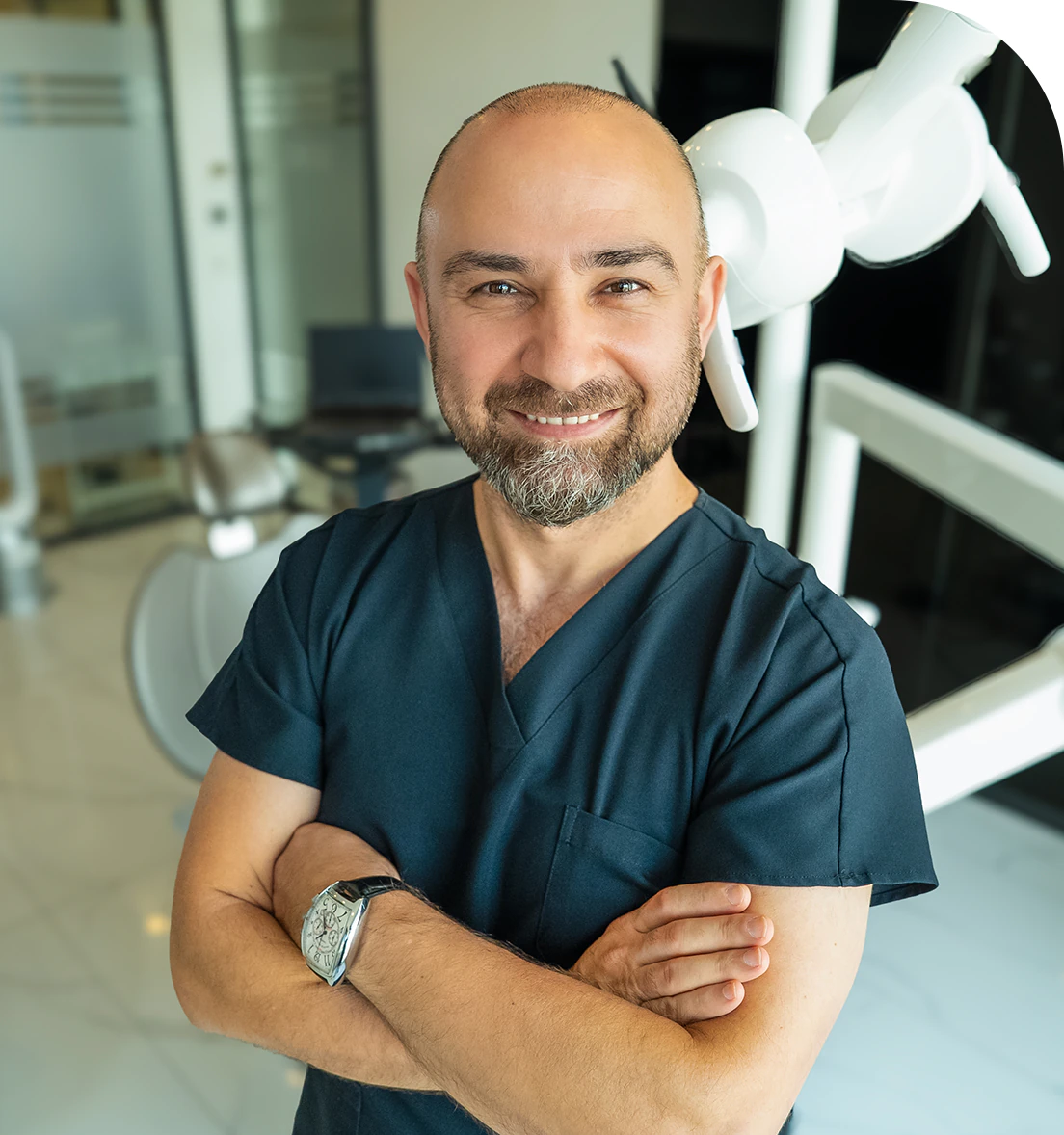
Dr. Dt. Ömer Atar provides care at his private clinic in Istanbul, combining his academic background and many years of clinical experience in dentistry. With a treatment approach that integrates aesthetic and functional solutions, he aims to achieve natural, balanced, and long-lasting results through personalized planning for each patient. Dr. Atar completed his education at the Marmara University Faculty of Dentistry, which he began in 1994, graduating in 2000. He continued his academic work in the Department of Prosthodontics at the same university. In 2007, he earned his PhD degree with his scientific thesis on implants and implant-supported prostheses in patients undergoing distraction osteogenesis. His academic expertise deepened in the fields of metal-free aesthetic systems, implant-supported prostheses, and cosmetic dentistry. Integrating modern technologies and digital dentistry into his practice, Dr. Ömer Atar achieves high success rates in treatments such as smile design, All-on-4/All-on-6 implant treatments, laminate veneers, zirconium crowns, teeth whitening, and gingival aesthetics (gummy smile). As a member of EDAD (Turkish Academy of Aesthetic Dentistry), he embraces a holistic approach focused on modern, functional, and natural outcomes in aesthetic dentistry.


