
 Türkçe
 Français
 Deutsch

Dental calculus, also known as tartar, is a mineralized plaque layer formed by the hardening of saliva and food debris. It typically accumulates at or below the gum line and cannot be removed by brushing. Tartar can lead to gum disease and bad breath.
The formation of tartar accelerates with poor oral hygiene, irregular brushing, and neglecting flossing. Individual factors such as smoking and saliva composition also play a role. Once formed, tartar can only be removed through professional cleaning.
Tartar cleaning is performed by a dentist using ultrasonic devices. The vibrations of the device remove the hardened deposits from the tooth surface without causing damage. Afterwards, a polishing procedure is applied to smooth the tooth surface and delay the formation of new plaque.
The cleaning process is generally painless, but local anesthesia may be applied for sensitive individuals. Temporary sensitivity may occur after the procedure. To prevent tartar formation, regular brushing, flossing, and professional cleaning every six months are recommended.
| What You Should Know | Information |
| Definition | Tartar (dental calculus) is hardened plaque that accumulates on teeth over time. Plaque consists of bacteria, saliva, and food debris; if not removed, it mineralizes into tartar. |
| Formation Process | If teeth are not brushed regularly and floss is not used, bacterial plaque begins to harden into tartar within 24–72 hours. |
| Appearance | Typically seen as yellow, brown, or whitish hard deposits around the gum line. |
| Effects | Can cause gingivitis (gum inflammation), periodontitis (advanced gum disease), bad breath, and aesthetic issues. |
| Cleaning Method | Tartar removal is a professional procedure performed only by dentists. It cannot be removed by brushing at home. |
| Procedure | Ultrasonic scalers and manual hand instruments are used to scrape tartar off the tooth surface. |
| Procedure Duration | Usually takes 15–45 minutes, depending on the amount and extent of tartar buildup. |
| Aftercare | Temporary sensitivity may occur. Tooth surfaces are polished for smoothness. Fluoride may be applied if needed. |
| Frequency | It is recommended every 6 months; more frequently if oral hygiene is poor or risk factors are present. |
| Prevention Methods | Brushing at least twice a day, using dental floss or interdental brushes, regular dental check-ups, and avoiding smoking. |
What Is Tartar?
Tartar is a mineralized deposit formed when plaque accumulates on the tooth surface and hardens over time. Unlike plaque, tartar cannot be removed by brushing and must be eliminated through professional dental cleaning. Tartar can cause gum inflammation, bad breath, and gum recession. Regular cleanings and good oral hygiene help prevent its formation.
What Are the Risk Factors That Accelerate Tartar Formation?
One of the most common sentences I hear in the clinic is: “Doctor, I brush my teeth every day, but I still get tartar.” There isn’t a single reason for this; usually, multiple factors are involved.
The most fundamental cause is, of course, insufficient mechanical cleaning. Most people only brush the visible front surfaces of their teeth. However, tartar most commonly accumulates on the back surfaces of the lower front teeth and the cheek-facing sides of the upper molars. That’s because the openings of the salivary glands are located in these areas. Since saliva is secreted directly onto plaque in these spots, mineralization begins very quickly there.
Beyond that, patients who say, “That’s just how I am,” might actually be right. The chemical composition of saliva varies from person to person. Some individuals have more alkaline (basic) saliva with higher mineral content. While this is protective against cavities, it creates an ideal environment for tartar formation as a side effect.
Tooth alignment is also a critical factor. Individuals with crowded teeth have more hidden corners that the toothbrush cannot reach. These dead zones are perfect hiding places for plaque accumulation and, consequently, tartar formation.
How Do Eating Habits Affect Tartar Formation?
The foods and drinks you consume are the fuel for oral bacteria. A diet high in carbohydrates and sugars is the biggest contributor to plaque formation. Oral bacteria break down sugar and starch, producing acid and multiplying rapidly. The more plaque there is, the more material there is to mineralize into tartar.
Not only what you eat, but the form of the food also matters. Foods that stick to the tooth surface and are not easily washed away by saliva pose a higher risk. On the other hand, fibrous foods that require chewing create a natural sweeping effect on the tooth surface and may help reduce plaque accumulation.
Foods that pose a risk for dental health include:
- Caramel
- Gummy candies
- White bread
- Crackers
- Chips
- Raisins
- Starchy pastries
Foods that may help reduce plaque include:
- Apple
- Carrot
- Celery stalk
- Cucumber
- Cheese
How Does Smoking Affect Gum Health?
Smoking is the number one accomplice of gum disease and tartar problems. Tartar formation in smokers is many times greater than in non-smokers. Cigarette smoke and tar roughen the tooth surface. A rough surface is much more suitable for bacterial adherence than a smooth one.
But the most insidious effect of smoking is that it “masks” gum problems. Normally, when gums become inflamed, they bleed, which alerts the patient and prompts a dental visit. However, nicotine in cigarettes constricts blood vessels and reduces blood flow. As a result, smokers’ gums may not bleed—even when serious destruction is taking place underneath. While the patient thinks “My gums aren’t bleeding, so they must be healthy,” the tartar continues to erode bone in the deep tissues. Furthermore, smoking weakens the immune system’s ability to fight bacteria in the gum pockets and reduces the success of treatment.
Does Tartar Accumulate Only on Visible Surfaces?
No—and this is the frightening part. We classify tartar based on location. The first type, called “Supragingival,” is above the gum line and appears as yellow or whitish deposits that are visible to the naked eye. These are mostly saliva-based and relatively easier to clean.
The second, more dangerous type is “Subgingival” tartar. This forms below the gum line, inside the gum pocket, and sticks to the root surface. It cannot be seen, but during an exam, we can feel its rough texture using special instruments (probes). These tartar deposits are usually nourished by gingival crevicular fluid, are much harder, and are dark brown or black in color. These hidden, deep tartar deposits are the true culprits of gum disease, bone loss, and eventual tooth loss.
What Happens in the Body If I Don’t Get My Tartar Cleaned?
Seeing tartar as merely “a deposit that causes bad breath” is a major misconception. It is a source of infection. The process progresses in a chain reaction. It begins with inflammation of the gums (Gingivitis). The gums become red, swollen, and bleed upon contact. At this stage, intervention can return everything to normal.
However, if left untreated, the inflammation spreads to deeper tissues and the bone (Periodontitis). Tartar pushes the gum away from the tooth, forming pockets. These pockets fill with bacteria. The body releases enzymes to fight these bacteria, but in the process, the bone that supports the teeth also breaks down. As a result, the teeth begin to loosen and may need to be extracted.
The risk is not limited to the oral cavity. Scientific studies have proven that gum infections are directly linked to general health. Bacteria from the mouth can enter the bloodstream and cause problems elsewhere in the body.
Systemic conditions that gum disease may trigger or worsen include:
- Heart attack
- Stroke
- Diabetes complications
- Preterm birth
- Low birth weight
- Rheumatoid arthritis
- Respiratory infections
How Is Professional Tartar Cleaning (Scaling) Performed?
Professional tartar cleaning is a scientifically and technologically based treatment performed in the dental chair. The procedure typically begins with the use of an “Ultrasonic Scaler” (Cavitron). Sometimes patients worry that this device scrapes or scratches their enamel. However, the device operates purely on vibration.
The tip of the device vibrates at an extremely high frequency (thousands of times per second). When the vibrating tip touches the tartar, its structure breaks down, and it flakes off the tooth surface. At the same time, water is continuously sprayed from the tip. This water has two functions: it prevents the tooth from overheating by cooling during the procedure and washes away broken tartar pieces and bacteria. The buzzing sound you hear and the spray you feel are signs that the device is working.
After the rough tartar is removed, we switch to hand instruments (curettes) for finer details. These tools are specially designed to clean stubborn deposits between the teeth or in hard-to-reach areas. Your dentist gently checks and smooths the tooth surfaces with these instruments.
The basic instruments used include:
- Ultrasonic scaler
- Hand curettes
- Mouth mirror
- Dental probe
- Saliva ejector
- Polishing cup
Why Is Tooth Surface Polishing (Polishing) Performed?
After cleaning, patients sometimes assume the treatment is complete. However, the “polishing” stage is just as critical as the cleaning itself. After tartar removal, microscopic roughness may remain on the tooth surfaces. If left unpolished, these rough areas become ideal sites for new plaque and bacterial accumulation.
In the polishing procedure, a soft rotating brush or rubber tip is used along with a special paste. This process makes the tooth surface smooth and glassy. The smoother the surface, the harder it is for bacteria to adhere. Thus, polishing is not merely an aesthetic step for shine—it is a medical necessity that enhances the durability of the treatment.
What Is Curettage (Root Planing), an Advanced Treatment Method?
Sometimes, standard superficial cleaning is not enough to stop the disease. If tartar has extended far below the gumline and periodontal pockets have deepened (usually beyond 4–5 mm), a procedure called “subgingival curettage” or “root surface debridement” is required. This is often referred to as “deep cleaning.”
The goal of this procedure is to remove infected tissue, necrotic (dead) layers, and deep tartar attached to the root surface. Once the root surface is detoxified and smoothed, the gum tissue can reattach to the healthy root and the deep pockets can close. Since this treatment involves deeper tissues, it is typically performed under local anesthesia—ensuring the patient feels no pain during the procedure.
Signs that indicate the need for curettage include:
- Deep periodontal pockets
- Roughness on root surfaces
- Severe gum bleeding
- Bone loss
- Bad breath
Is Pain Felt During or After Treatment?
In modern dentistry, pain is a fully manageable condition. A standard tartar cleaning is generally painless. Patients usually report sensations like vibration, tickling, or mild tingling. However, if the gums are very inflamed or if the roots are exposed, sensitivity may occur. In such cases, we apply local anesthesia or numbing gels to ensure a very comfortable experience for the patient.
After treatment, it is normal to experience sensitivity to hot and cold for a few days. This is because root surfaces that have been covered for years by tartar are now exposed and sensitive to temperature changes. This is a temporary phase and usually resolves on its own or with desensitizing toothpastes.
Is It Normal to See Gaps Between Teeth After Cleaning?
One of the biggest concerns our patients have is the appearance of gaps between teeth after cleaning. Some even think, “The dentist cleaned my teeth and now my gums have receded.” This is a misunderstanding. Those gaps were actually present before treatment. However, they were masked by swollen (edematous) gums and densely packed tartar.
When we remove the harmful tartar and eliminate the infection, the swelling in the gums subsides and the tissue returns to its normal size. This reveals the true spaces between the teeth. So, cleaning does not cause gum recession; it allows the gums to heal to their proper, healthy level. The “gaps” that are now visible are a result of damage previously caused by the disease—not a side effect of treatment. Cleaning these areas is now the patient’s responsibility and requires the use of special interdental brushes.
Do Teeth Become Loose After Cleaning?
In advanced gum disease (periodontitis), teeth are already loose due to the loss of supporting bone. However, the thick, hard tartar surrounding the tooth roots can act like cement, holding the teeth together and masking the mobility—similar to plaster holding loose bricks in a wall.
When we remove these infected tartar deposits, the actual mobility of the teeth may become noticeable. Although this can worry patients, leaving the tartar in place is not a solution. As long as tartar remains, bone loss will continue and eventually the tooth will be lost. Cleaning is the only way to stop this destructive process and preserve the remaining bone. As the gums tighten during healing, the sensation of looseness may slightly decrease.
What Should I Be Careful About in the First 24 Hours After Treatment?
The immediate post-treatment period is very important for fast recovery. Especially if anesthesia was used, you should not eat until the numbness wears off; otherwise, you may accidentally bite your tongue or cheek.
Things to avoid on the first day include:
- Very hot drinks
- Very cold drinks
- Acidic foods
- Spicy foods
- Hard, crusty foods
- Smoking
- Alcohol
It’s normal to see slight pinkish bleeding when spitting on the first day. Avoid constant rinsing and spitting, as this may increase bleeding. If you feel mild discomfort, you can use the simple painkillers recommended by your dentist.
Why Are Routine Check-Ups and At-Home Care So Important?
After tartar removal, your teeth become sparkling clean—but this is not a permanent state. Just like we clean our homes and then maintain them daily to prevent re-soiling, oral hygiene also requires consistency. Tartar formation is a dynamic process.
You should brush your teeth twice a day using the correct technique (sweeping from the gum toward the tooth). However, brushing alone is not enough; to clean between the teeth—where tartar typically begins to form—you must use dental floss once a day.
Helpful tools you can use at home include:
- Soft-bristled toothbrush
- Dental floss
- Interdental brush
- Tongue cleaner
- Oral irrigator (water flosser)
The most important rule is regular dental check-ups. Every individual’s saliva composition and tartar formation rate are different. For some patients, one cleaning per year may suffice, while those in high-risk groups may need professional cleanings every 3 or 6 months. Remember: gum problems caught early are easy to treat, while neglected issues can lead to tooth loss. Professional cleaning does not harm enamel; on the contrary, it is the most protective treatment that prolongs tooth life.
Frequently Asked Questions
Why does tartar form and how can it be recognized?
Tartar forms when dental plaque combines with saliva and hardens. It usually appears as yellowish or brownish deposits along the gumline and cannot be removed by brushing.
How does tartar affect oral health?
Tartar leads to bacterial buildup, causing gum inflammation, bleeding, and bad breath. Over time, it can result in gum recession and even tooth loss.
What method is used for tartar removal?
Tartar is removed by a dentist using ultrasonic devices. These devices break tartar apart with vibrations and detach it from the tooth surface. Polishing is performed afterward.
Is tartar removal painful?
The procedure is generally painless, but people with sensitive gums may feel slight discomfort. Local anesthesia can be applied for a more comfortable experience if needed.
How can tartar formation be prevented?
Brushing effectively twice a day, using dental floss, and using mouth rinses can significantly reduce plaque accumulation and prevent tartar. Dental check-ups every six months are recommended.
How often should tartar be removed?
For those prone to tartar buildup, every 6 months is advised. For low-risk individuals, once a year may be enough. Your dentist can determine the best interval based on your oral condition.
Does tartar cleaning damage tooth enamel?
When performed professionally, it does not harm the enamel. In fact, cleaning the tooth surfaces supports gum health and creates a smoother surface.
Can tartar cleaning be done during pregnancy?
Yes, especially during the second trimester (months 4–6), which is considered safe. Oral health becomes even more important during pregnancy, so routine cleanings should not be neglected.
What should I watch for after tartar cleaning?
Avoid hot and cold foods for the first 1–2 hours after the procedure, and do not smoke that day. Mild gum bleeding or sensitivity is temporary and subsides in a few days.
Does tartar cleaning improve appearance?
Yes, cleaned teeth look whiter and shinier. As gum inflammation decreases, the color and structure of the gums return to a healthier state—enhancing overall smile aesthetics.
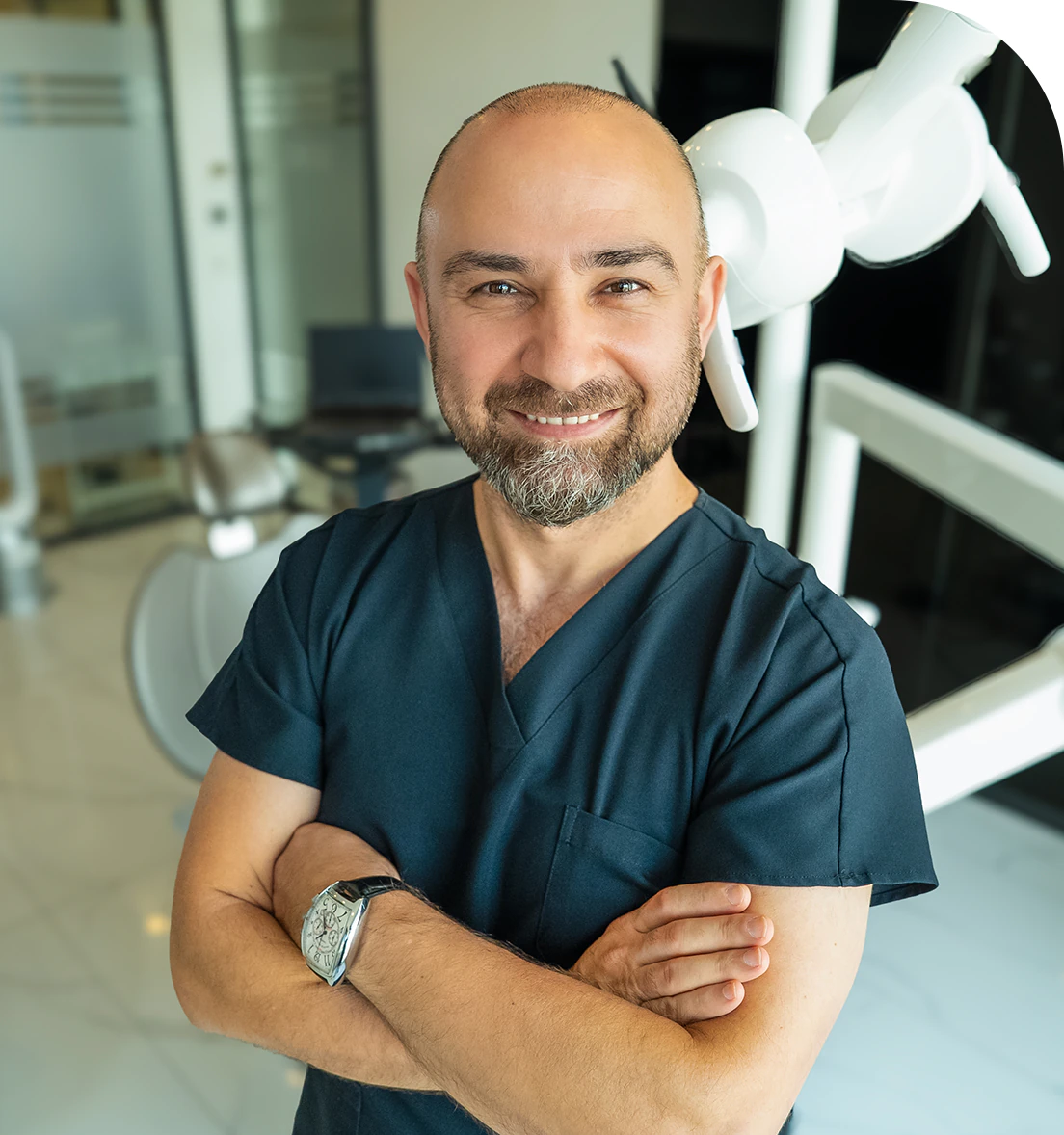
Dr. Dt. Ömer Atar provides care at his private clinic in Istanbul, combining his academic background and many years of clinical experience in dentistry. With a treatment approach that integrates aesthetic and functional solutions, he aims to achieve natural, balanced, and long-lasting results through personalized planning for each patient. Dr. Atar completed his education at the Marmara University Faculty of Dentistry, which he began in 1994, graduating in 2000. He continued his academic work in the Department of Prosthodontics at the same university. In 2007, he earned his PhD degree with his scientific thesis on implants and implant-supported prostheses in patients undergoing distraction osteogenesis. His academic expertise deepened in the fields of metal-free aesthetic systems, implant-supported prostheses, and cosmetic dentistry. Integrating modern technologies and digital dentistry into his practice, Dr. Ömer Atar achieves high success rates in treatments such as smile design, All-on-4/All-on-6 implant treatments, laminate veneers, zirconium crowns, teeth whitening, and gingival aesthetics (gummy smile). As a member of EDAD (Turkish Academy of Aesthetic Dentistry), he embraces a holistic approach focused on modern, functional, and natural outcomes in aesthetic dentistry.


