
 Türkçe
 Français
 Deutsch
 Nederlands
 Svenska

The things to consider after dental calculus cleaning are important for maintaining gum health and ensuring the effectiveness of the procedure. After the treatment, the gum surfaces may become sensitive; avoiding mechanical and chemical irritation during this period supports the healing process.
Dietary habits after dental calculus cleaning directly affect gum healing. For the first 24 hours, very hot, cold, acidic, and hard foods should be avoided. Consumption of tea, coffee, and cigarettes, which may cause staining, should be temporarily limited.
Paying attention to oral hygiene after dental calculus cleaning helps prevent the reformation of plaque accumulation. Gentle brushing should be performed with a soft-bristled toothbrush, and dental floss and oral care products recommended by the dentist should be used regularly. Excessively hard brushing should be avoided.
After dental calculus cleaning, gum sensitivity and mild bleeding may be observed, and this condition is generally temporary. Complaints usually decrease within a few days; however, if increasing pain, prolonged bleeding, or swelling develops, a dentist should be consulted. Regular check-ups are important for the continuity of oral health.
Changes That May Occur in the Mouth During the First Hours
After dental calculus cleaning, tooth surfaces become smoother. This may cause patients to notice their teeth more with their tongue. In some individuals, mild aching, cold sensitivity, or gum tenderness may be felt immediately after the procedure. These symptoms are mostly temporary and decrease as the oral tissues adapt to the new condition.
Within the first few hours, slight bleeding in the gums may be noticed. This is more common especially in individuals with a history of gum problems. It usually resolves on its own in a short time; however, if the bleeding continues for a long period, consulting a dentist is recommended.
Temporary Attention to Dietary Habits
After dental calculus cleaning, it should be considered that the oral tissues may be sensitive. Therefore, avoiding very hot or very cold foods and beverages on the first day may be beneficial. Extremely hard foods should also not be preferred, as they may irritate the gums.
Acidic and sugary foods may increase the sensation of sensitivity on tooth surfaces. Especially consuming them immediately after the procedure is not recommended. Softer, lukewarm foods that do not strain the gums may increase oral comfort. Since dietary preferences may vary according to individual sensitivities, it is important for the patient to observe their own experience.
Smoking and Alcohol Use
Among the main issues to consider after dental calculus cleaning are smoking and alcohol consumption. Smoking may negatively affect the healing process of the gums and increase sensitivity. Similarly, alcohol may cause irritation in the oral tissues.
For this reason, it is generally recommended to refrain from smoking and alcohol use during the first 24 hours after the procedure. Staying away for a longer period may be considered a habit that supports oral health. However, this duration may vary depending on the individual and oral structure.
The Importance of Continuing Oral Hygiene
Some patients may hesitate to brush their teeth after dental calculus cleaning due to gum sensitivity. However, continuing oral hygiene regularly is also important during this period. Using a soft-bristled toothbrush may help treat the gums gently.
It is recommended to avoid applying excessive pressure during brushing. Regarding the use of dental floss or interdental cleaners, the dentist’s recommendations should be taken into consideration. Incorrect or harsh practices may increase the sensation of sensitivity.
Is Tooth Sensitivity Normal?
Tooth sensitivity after dental calculus cleaning is a condition frequently expressed by patients. Since the layer of calculus covers the tooth surface over time, after cleaning, the teeth may become more exposed to external stimuli. This may create short-term sensitivity, especially to cold, hot, or sweet foods.
In most people, this condition decreases within a few days. If sensitivity persists for a long time or affects daily life, it may be necessary to evaluate another underlying condition. At this point, consulting a dentist for personal evaluation would be appropriate.
Changes in Gum Appearance
After dental calculus cleaning, the gums appearing more recessed may cause concern in some patients. In fact, this situation results from the true level of the gum margins becoming visible with the removal of calculus. When areas previously covered by calculus are cleaned, the teeth may be perceived as longer.
This appearance generally does not indicate a permanent problem. Maintaining gum health can be supported by continuing regular care and check-ups. If there are aesthetic or functional concerns related to the gums, it is important to seek expert opinion.
Selection of Oral Care Products
The oral care products used during the period after dental calculus cleaning are also among the topics patients are curious about. Toothpastes produced for sensitive teeth may provide a more comfortable experience during this process. However, not every product may be suitable for everyone.
Caution should also be exercised regarding mouthwashes. Products containing alcohol may cause a burning sensation in some individuals. Therefore, when selecting products, the dentist’s recommendations should be considered, and random product use should be avoided.
Not Skipping Follow-Up Appointments
Dental calculus cleaning should not be regarded as a sufficient procedure on its own. Oral health is maintained through regular check-ups and personalized care recommendations. Follow-up appointments planned after cleaning are important for evaluating the condition of the gums.
Each patient’s oral structure, gum sensitivity, and lifestyle habits are different. Therefore, the care process should also be shaped individually. Although general information is guiding, the final evaluation should always be made by a specialist.
When Should Expert Opinion Be Sought?
Mild sensitivity and short-term bleeding after dental calculus cleaning are mostly considered normal. However, if severe pain, prolonged bleeding, significant swelling, or a condition that makes daily life difficult occurs, a dentist should be consulted without delay.
Not every symptom related to oral health may mean the same thing. Therefore, instead of making decisions on one’s own based on information obtained from the internet, professional evaluation should be preferred. The period after dental calculus cleaning can be more comfortable with proper care and regular check-ups.
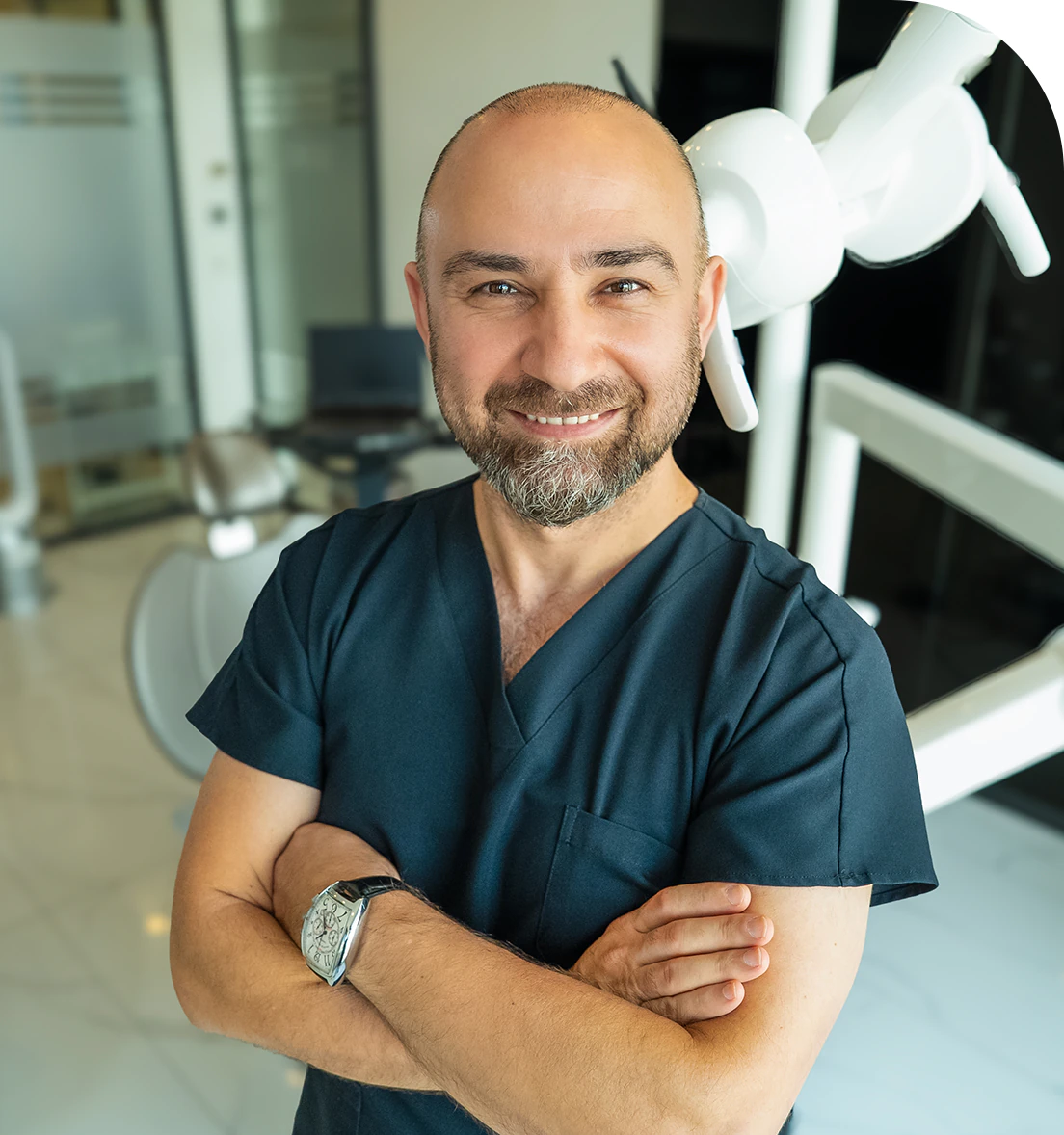
Dr. Dt. Ömer Atar provides care at his private clinic in Istanbul, combining his academic background and many years of clinical experience in dentistry. With a treatment approach that integrates aesthetic and functional solutions, he aims to achieve natural, balanced, and long-lasting results through personalized planning for each patient. Dr. Atar completed his education at the Marmara University Faculty of Dentistry, which he began in 1994, graduating in 2000. He continued his academic work in the Department of Prosthodontics at the same university. In 2007, he earned his PhD degree with his scientific thesis on implants and implant-supported prostheses in patients undergoing distraction osteogenesis. His academic expertise deepened in the fields of metal-free aesthetic systems, implant-supported prostheses, and cosmetic dentistry. Integrating modern technologies and digital dentistry into his practice, Dr. Ömer Atar achieves high success rates in treatments such as smile design, All-on-4/All-on-6 implant treatments, laminate veneers, zirconium crowns, teeth whitening, and gingival aesthetics (gummy smile). As a member of EDAD (Turkish Academy of Aesthetic Dentistry), he embraces a holistic approach focused on modern, functional, and natural outcomes in aesthetic dentistry.


