
 Türkçe
 Français
 Deutsch
 Nederlands
 Svenska

The question of what should be done if inflammation occurs after tooth extraction is important for the early management of post-extraction complications. Increasing pain, swelling, redness, and bad odor at the extraction site may indicate the development of inflammation and require medical evaluation.
The causes of inflammation after tooth extraction include loss of the blood clot, inadequate oral hygiene, and bacterial infections. In conditions such as alveolitis, severe pain and a bad taste in the mouth may be observed. This condition does not resolve on its own and requires intervention.
Treatment of inflammation after tooth extraction must be planned by a dentist. In necessary cases, antibiotics, antiseptic mouthwashes, and pain relievers may be prescribed. Unconscious use of medication at home and manipulation of the extraction site may worsen the infection.
The question of when inflammation symptoms after tooth extraction should be taken seriously is important. If swelling increases rapidly, fever accompanies the condition, or there is difficulty opening the mouth, a dentist should be consulted without delay. Early treatment prevents spread and permanent tissue damage.
What Is Inflammation After Tooth Extraction?
After tooth extraction, the healing process of the oral tissues begins. During this process, a blood clot forms in the extraction socket and helps protect the bone and support tissue repair. However, in some cases, this natural process may be disrupted. With bacteria settling in the extraction area, infection may develop, and this condition is commonly referred to as “inflammation.”
Inflammation is the body’s response to infection. Since the oral cavity is rich in bacteria, the risk of infection may increase if post-extraction care is insufficient. This condition does not always lead to serious complications, but neglect may prolong the healing process.
Symptoms Suggesting the Development of Inflammation
Mild pain and swelling after tooth extraction are considered normal during the first few days. However, certain symptoms may suggest the possibility of infection. These symptoms generally increase over time and do not resolve spontaneously.
Throbbing and progressively worsening pain at the extraction site, noticeable swelling in the face or jaw area, and bad taste and odor in the mouth are common signs. Some patients report increased sensitivity during chewing or difficulty opening their mouth. Rarely, fever and general fatigue may also accompany the condition.
When such symptoms are observed, it should be remembered that the process requires professional evaluation.
Why Does Inflammation Occur After Tooth Extraction?
There is no single cause for the development of inflammation. Generally, the risk increases when multiple factors come together. Insufficient oral hygiene may create an environment for bacteria to multiply in the extraction area. In addition, failure to follow post-extraction recommendations may negatively affect the process.
Smoking is one of the most important factors that increase the risk of infection by causing early dislodgement of the blood clot. Difficult and traumatic extractions, impacted tooth surgeries, or certain health conditions affecting the immune system may also increase the likelihood of inflammation. The level of risk differs for each patient, and therefore the process should be evaluated individually.
What Should Not Be Done at Home When Inflammation Is Suspected?
Patients may seek self-solutions for pain or swelling experienced after extraction. However, some practices may worsen the condition. Forcefully manipulating the extraction area, trying to clean out the clot, or constantly checking the area may delay healing.
Using antibiotics or painkillers without a physician’s recommendation is also not advisable. Incorrect medication choice may temporarily suppress symptoms but lead to progression of the underlying infection. In addition, hot applications may increase blood flow in the inflamed area and worsen swelling.
The Correct Approach to Inflammation After Tooth Extraction
When signs of inflammation are noticed, the most appropriate step is to consult a dentist. The dentist evaluates the extraction area to determine the presence and extent of infection. If deemed necessary, local cleaning may be performed or appropriate medication therapy may be planned. These decisions vary depending on the patient’s general health status and the characteristics of the extraction.
The treatment process is individualized, and the same methods are not applied to every patient. Therefore, professional evaluation should be prioritized over advice heard from others. Early intervention may help shorten the healing period and reduce the risk of complications.
What Should Be Considered to Support the Healing Process?
Post-extraction care plays an important role in reducing the risk of inflammation. Avoiding mouth rinsing during the first 24 hours helps protect the blood clot. In the following days, gentle oral care should be performed as recommended by the dentist.
Avoiding smoking and alcohol positively affects the healing process. Choosing soft foods instead of hard and very hot foods may prevent irritation of the extraction area. Maintaining oral hygiene regularly but in a controlled manner is one of the main factors that reduce infection risk.
In Which Situations Should a Specialist Be Consulted Without Delay?
Certain symptoms indicate the need to consult a dentist without waiting. Persistent and increasing pain after the third day, swelling spreading across the face, or significant restriction in mouth opening are some of these situations. Fever, difficulty swallowing, or general deterioration of health are also signs that should be taken into consideration.
These symptoms do not always indicate a serious problem, but they do require evaluation. Early assessment may prevent the need for more extensive interventions.
Does Inflammation Occur in Everyone After Tooth Extraction?
Inflammation does not develop after every tooth extraction. Most patients experience an uneventful healing process when they follow recommendations. However, factors such as oral structure, general health status, and the difficulty level of the extraction may affect the outcome. Therefore, making generalizations such as “it applies to everyone” is not accurate.
Each patient’s process is unique, and experienced symptoms should be evaluated within this framework.
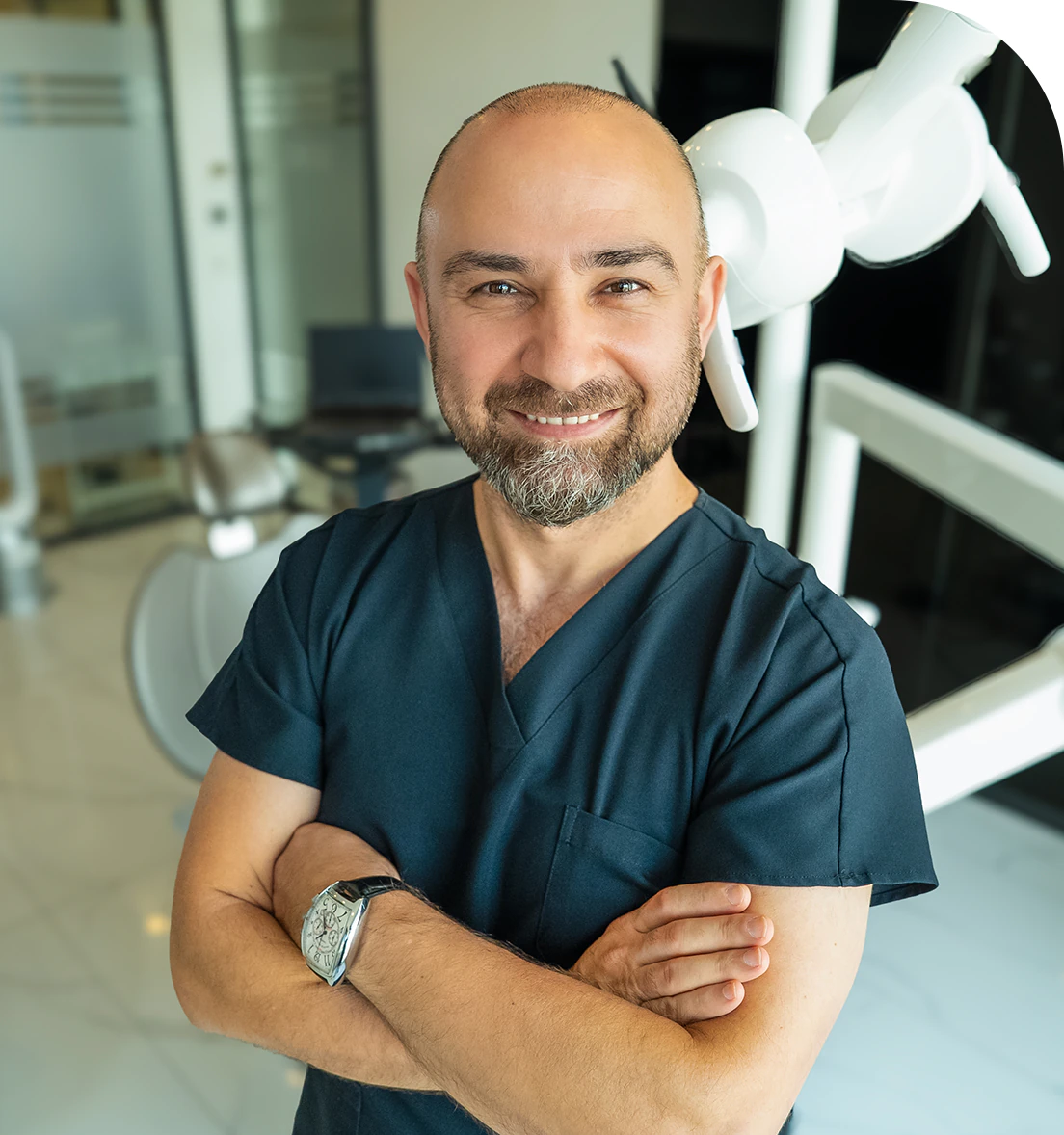
Dr. Dt. Ömer Atar provides care at his private clinic in Istanbul, combining his academic background and many years of clinical experience in dentistry. With a treatment approach that integrates aesthetic and functional solutions, he aims to achieve natural, balanced, and long-lasting results through personalized planning for each patient. Dr. Atar completed his education at the Marmara University Faculty of Dentistry, which he began in 1994, graduating in 2000. He continued his academic work in the Department of Prosthodontics at the same university. In 2007, he earned his PhD degree with his scientific thesis on implants and implant-supported prostheses in patients undergoing distraction osteogenesis. His academic expertise deepened in the fields of metal-free aesthetic systems, implant-supported prostheses, and cosmetic dentistry. Integrating modern technologies and digital dentistry into his practice, Dr. Ömer Atar achieves high success rates in treatments such as smile design, All-on-4/All-on-6 implant treatments, laminate veneers, zirconium crowns, teeth whitening, and gingival aesthetics (gummy smile). As a member of EDAD (Turkish Academy of Aesthetic Dentistry), he embraces a holistic approach focused on modern, functional, and natural outcomes in aesthetic dentistry.


