
 Türkçe
 Français
 Deutsch

Tooth polishing is a special paste applied after professional dental cleaning, which smooths the tooth surface and gives it shine. By filling in microscopic scratches on the enamel surface that occur after tartar cleaning, it reduces bacterial accumulation and makes the teeth appear healthier.
Tooth polish helps protect the enamel. Ingredients such as fluoride affect the outer surface of the tooth, reducing the risk of cavities. Additionally, the smooth surface helps reduce plaque accumulation, contributing to the prevention of gum diseases.
From an aesthetic perspective, tooth polish helps teeth appear whiter and shinier. In individuals prone to discoloration, regular polishing can prevent staining. For this reason, it is recommended for smokers or those who frequently consume coffee.
The frequency of application varies depending on the dentist’s recommendation. It is generally advised to be applied every 6 months after professional cleaning. Although home-use products exist, performing the procedure in a clinical setting is considered the most effective and safest method.
| What You Need to Know | Information |
| Definition | Tooth polishing is a prophylactic agent applied after tartar cleaning or tooth whitening procedures to smooth and shine the tooth surface. It usually contains fluoride. |
| Purpose of Use | To close microscopic scratches on the tooth surface, reduce roughness, prevent plaque and stain accumulation, strengthen enamel, and provide aesthetic shine. |
| Application Location | Usually applied in a clinical setting by a dentist or oral hygiene specialist. |
| Application Method | Applied to the tooth surface using a low-speed device with a rotating brush or rubber cup. Takes about 5–10 minutes. |
| Frequency of Use | Generally applied every 6 months after tartar cleaning. Can also be used following other professional cleaning procedures. |
| Contents | Mainly fluoride or non-fluoride polishing pastes, flavoring agents, and mild abrasives like silica. |
| Effects | Provides a smoother and shinier appearance of the teeth. Reduces plaque and discoloration retention. Supports oral hygiene. |
| Who It’s Suitable For | Suitable for individuals of all age groups. Particularly effective for smokers or those with high tea-coffee consumption. |
| Side Effects | Sensitivity may rarely occur. Excessive use may cause weakening of the enamel surface. |
| Home Use | Professional tooth polish is not applied at home. However, polishing-effect toothpastes can be used, which have lower abrasiveness. |
What Is Tooth Polishing?
Tooth polishing is a procedure using a special fluoride paste applied after tartar cleaning (scaling) and surface cleaning, intended to smooth and shine the tooth surfaces. It reduces stains on the tooth surface, delays plaque formation, and supports oral hygiene. It is typically applied at the end of professional cleaning procedures and offers both aesthetic and protective benefits.
What Are the Main Differences Between Types of Tooth Polish?
When we say “we will do polishing” during your visit to the clinic, we may be referring to one or both of two different types of procedures, depending on your needs. Understanding this distinction is important in terms of what to expect from the treatment.
The first type is the restorative polishing procedure. It is usually applied after tartar cleaning or when a new filling has been placed. The main goal here is to eliminate the rough texture on the surface of the tooth. The smoother and more slippery the surface of the tooth, the cleaner it feels and the more it reflects light to appear shiny. In this procedure, special rubber cups, brushes, and pastes containing tiny abrasive particles are used.
The second type is protective fluoride varnish application. The goal here is not aesthetic, but entirely biological. This special resin-based varnish, which contains a high concentration of fluoride and is applied to the tooth surface, adheres and hardens. You can think of it as an invisible shield or a vaccine for your teeth. We use it especially for individuals at risk of cavities to strengthen the enamel. In summary, one “smooths” the surface, while the other “strengthens” it.
Is Tooth Polishing Only for Aesthetic Appearance?
Sometimes our patients think that polishing is just a cosmetic touch and not really necessary. However, the situation is much more critical in terms of oral health. When examined under a microscope, the surface of your teeth or the fillings we apply actually resembles a rugged terrain. If we don’t smooth this surface to a glass-like finish through polishing, these microscopic indentations become perfect hiding spots for bacteria.
A rough surface makes it incredibly easy for bacterial plaque—what we call “biofilm”—to adhere to the teeth. No matter how much you brush, you can’t fully clean the bacteria that settle into those microscopic pits. However, on a well-polished, slippery surface, it’s much harder for bacteria to hold on. When plaque accumulation is reduced, your risk of gum inflammation decreases, tartar forms more slowly, and the lifespan of your fillings increases. Therefore, polishing is an essential health procedure we do not only for appearance but also to protect your gums and prevent cavities.
How Does Smooth Tooth Polishing Help Prevent Bad Breath?
Bad breath is one of the most socially disruptive conditions and one of the biggest concerns for our patients. The root of this issue usually lies in food residues left in the mouth and gases produced by bacteria. This is precisely where surface roughness plays a role. An unpolished tooth surface or a roughly finished filling attracts food debris like a magnet.
The food particles and bacteria that accumulate in these rough areas begin to rot over time. The bumpy texture you feel when you run your tongue across your teeth is actually a potential source of odor. With professional polishing, we smooth out these surfaces, preventing food retention. A smooth surface enhances the cleansing effect of saliva and makes it harder for bacteria to colonize. A clean and slippery tooth surface is one of the key foundations of a fresh breath.
Can Tooth Polishing Be Done Immediately After a Filling?
This is a critical question that affects the success of treatment, and the answer depends on which type of filling material was used. The chemical properties of the materials we use in dentistry determine the timing of the polish.
If your tooth was filled with “composite”—a white filling—then polishing can be completed during the same session. This is because white fillings are instantly hardened with a blue light source. The filling reaches its final hardness before the patient even gets out of the chair. Thus, we can shape the filling, polish it, and send you home in the same appointment.
However, if your tooth was filled with “amalgam”—a silver/metal filling—the situation is entirely different. The chemical reaction of amalgam fillings doesn’t end when the material is placed. This material requires 24 to 48 hours to harden and for its crystalline structure to stabilize. If we try to polish it before this period—before the filling has fully “matured”—we may damage the surface and shorten its lifespan. That’s why for amalgam fillings, we always ask patients to return for polishing in a follow-up appointment, at least one day later.
What Materials Are Used in Restorative Tooth Polishing?
Tooth polishing is a much more technical and step-by-step process than simply brushing at home. Although it may feel like just a spinning brush, we actually use materials developed with nanotechnology. Polishing the surface without scratching it requires great precision.
The materials used include:
- Prophylaxis pastes
- Rubber cups
- Abrasive discs
- Pastes with diamond particles
- Fine-grain burs
- Polishing felts
These materials are generally used in a specific sequence. Just like sanding furniture, coarser abrasive discs are used first to remove major roughness. Then, finer discs and rubber cups are used to smooth the surface. In the final stage, ultra-fine pastes containing diamond dust and felts give the tooth that moist and vibrant shine characteristic of natural enamel. Following this order is crucial for avoiding enamel scratches and achieving the ideal surface.
What Is the Purpose of Protective Fluoride Tooth Polishing?
Now let’s move from mechanical cleaning to biological protection—fluoride varnish application. This procedure is considered the “gold standard” of preventive dental treatments. The varnishes we use contain a much higher concentration of fluoride than toothpaste, but they release it in a controlled manner.
The working principle of the varnish is quite smart. When applied to the tooth surface, it hardens and forms a reservoir we call “Calcium Fluoride.” You can think of this reservoir as a defense bank set up for your teeth. When your oral environment becomes acidic (e.g., after eating something sugary), this reservoir activates and releases fluoride ions into the environment.
The released fluoride stops the demineralization of enamel under acid attack. More importantly, it helps the early-stage microscopic cavities repair themselves (remineralization). In other words, this polish is not just a passive barrier but a dynamic protection system that activates in the face of danger. By integrating into the crystalline structure of the enamel, it makes it much more resistant to acids.
Who Should Receive Protective Tooth Polishing?
There is a common belief that fluoride application is only for children. Yes, children are a priority group because their newly erupted teeth are highly prone to cavities. However, preventive dentistry is not age-restricted. Any individual at risk of cavities can benefit from this application.
Those considered in the high-risk group for whom fluoride varnish is strongly recommended include:
- Children
- Individuals with dry mouth
- Patients undergoing orthodontic treatment
- Those with gum recession
- Patients receiving radiotherapy
- Individuals with sensitive teeth
- Individuals with intellectual disabilities
- Adults who frequently experience cavities
How Long Does a Protective Tooth Polishing Application Take?
This is one of the most comfortable, fastest, and painless procedures you can experience in a dental chair. There is no need for anesthesia, injections, or tooth cutting. This makes it an excellent “practice session” especially for children who fear the dentist.
The procedure steps are:
- Cleaning the teeth
- Drying the surface
- Applying the varnish with a brush
- Hardening upon contact with saliva
This entire process is usually completed in just a few minutes. Once the varnish is applied, it immediately hardens upon contact with the tooth’s natural moisture or saliva. The patient feels no pain during the procedure. Varnishes are usually fruit-flavored, so their taste is not disturbing. After the session, the patient may feel a thin film layer on their teeth, but it is not an uncomfortable thickness.
What Are the Dietary Rules After a Tooth Polishing Application?
The success of fluoride varnish depends on how well the patient follows the rules in the first few hours after leaving the clinic. Although the varnish adheres to the tooth, the enamel needs time to absorb the fluoride and form the “reservoir” mentioned earlier. The goal is for the varnish to remain on the tooth surface as long as possible.
Foods and drinks to avoid for 4 hours after application include:
- Hot soup
- Hot tea
- Hot coffee
- Chips
- Nuts
- Hard bread
- Chewing gum
- Cola
- Alcohol
- Alcohol-based mouthwashes
Hot foods can soften the structure of the varnish and cause it to run off the tooth. Hard and sticky foods can physically scrape off the varnish. However, the most critical restriction is alcohol. Alcohol dissolves the varnish. Drinking an alcoholic beverage after application can dissolve the entire varnish within seconds, eliminating its effect. We usually recommend that patients do not brush their teeth that day, allowing the varnish to remain on the teeth until the next morning. When you brush the next day, the remaining varnish will be removed, leaving behind a strengthened tooth structure.
Does Fluoride Varnish Have Any Side Effects?
Although the word “fluoride” sometimes raises concerns, professional varnish applications are extremely safe. The key term here is “dose.” Varnishes applied by dentists are “topical” or surface applications. They are not intended to be absorbed systemically. Since the varnish hardens immediately upon application, the risk of swallowing is minimal.
Rare but possible side effects include:
- Temporary nausea
- Temporary discoloration in the mouth
- Mild taste disturbance
- Mild redness of the gums
Very rarely, individuals who are allergic to the natural resin in the varnish may experience sensitivity in the mouth. Extremely rarely, shortness of breath has been reported in asthma patients.
Is Tooth Polishing at Home with Natural Materials Harmful?
Tooth “polishing” methods using baking soda, lemon juice, vinegar, or activated charcoal—commonly seen on the internet or social media—are a major concern for dentists. These substances are uncontrolled abrasives and damage tooth enamel. While they may initially give a whitening effect by removing surface stains, they erode enamel in the long term, create scratches, and make teeth yellow and decay much faster.
How Often Should Protective Tooth Polishing Be Repeated?
The general recommended protocol is as follows:
- Every 6 months for low-risk groups
- Every 6 months for moderate-risk groups
- Every 3 months for high-risk groups
Frequently Asked Questions
In what cases is tooth polishing applied?
Tooth polishing is typically applied after tartar cleaning to smooth and shine the tooth surfaces. It also contributes to oral hygiene by delaying new plaque formation.
Does tooth polishing help prevent cavities?
Yes, tooth polishing can indirectly reduce the risk of cavities by decreasing plaque accumulation. Some polishes contain fluoride, which strengthens the enamel and provides a protective effect against decay.
Is tooth polishing safe for children?
Tooth polishing can be safely applied to children. Fluoride polishes are especially preferred by pediatric dentists to protect the health of primary teeth and reduce the risk of cavities.
How long does a tooth polishing procedure take?
Tooth polishing is usually completed in 5 to 10 minutes.
How long does the effect of tooth polishing last?
The effect of tooth polishing can last from several weeks to several months.
Is tooth polishing the same as teeth whitening?
No, tooth polishing is not a whitening procedure.
Can tooth polishing be done at home?
It is a professional procedure and cannot be done at home.
Is tooth polishing safe during pregnancy?
Generally, there is no harm, but approval from the dentist is required.
What should be considered after tooth polishing?
Nothing should be eaten or drunk for the first 30 minutes.
Can tooth polishing cause sensitivity?
Mild sensitivity may rarely occur.
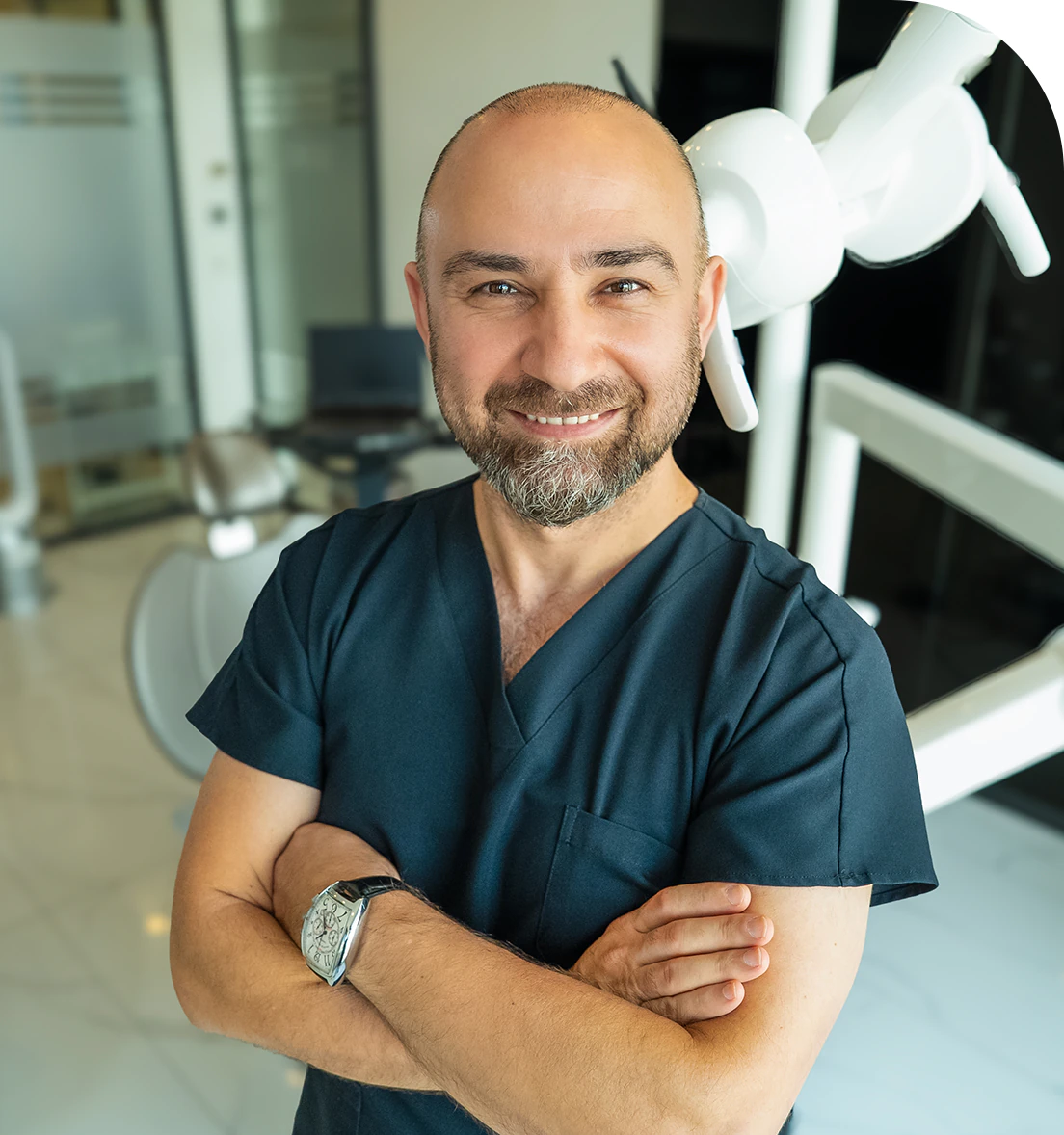
Dr. Dt. Ömer Atar provides care at his private clinic in Istanbul, combining his academic background and many years of clinical experience in dentistry. With a treatment approach that integrates aesthetic and functional solutions, he aims to achieve natural, balanced, and long-lasting results through personalized planning for each patient. Dr. Atar completed his education at the Marmara University Faculty of Dentistry, which he began in 1994, graduating in 2000. He continued his academic work in the Department of Prosthodontics at the same university. In 2007, he earned his PhD degree with his scientific thesis on implants and implant-supported prostheses in patients undergoing distraction osteogenesis. His academic expertise deepened in the fields of metal-free aesthetic systems, implant-supported prostheses, and cosmetic dentistry. Integrating modern technologies and digital dentistry into his practice, Dr. Ömer Atar achieves high success rates in treatments such as smile design, All-on-4/All-on-6 implant treatments, laminate veneers, zirconium crowns, teeth whitening, and gingival aesthetics (gummy smile). As a member of EDAD (Turkish Academy of Aesthetic Dentistry), he embraces a holistic approach focused on modern, functional, and natural outcomes in aesthetic dentistry.


