
 Türkçe
 Français
 Deutsch
 Nederlands
 Svenska

The timing of placing the tooth after the implant screw is inserted depends on the process of the implant integrating with the jawbone. This process is called osseointegration and typically takes between 2 and 4 months. Bone structure and the patient’s overall health play an important role in determining this duration.
The question of how long it takes to place the tooth after an implant can vary depending on the treatment plan. In some suitable cases, temporary teeth can be applied in a short time, while for the permanent prosthesis, complete bone–implant integration must be awaited. This waiting period is critical for the long-term success of the implant.
Factors affecting the placement of the tooth on the implant include bone density, the area where the implant is placed, and the patient’s oral hygiene. Especially in upper jaw implants, the bone structure may be weaker, which can prolong the healing period and delay the timing of tooth placement.
A clear answer to the question of when the permanent tooth is placed after the implant screw is given through clinical evaluations. Once radiographic and clinical assessments confirm that the implant is stable, the prosthetic phase begins. This planned process directly affects the success of implant treatment.
What Is an Implant Screw and Why Is a Waiting Period Necessary?
An implant screw is a titanium structure placed into the jawbone to replace the root of a missing tooth. Over time, this screw integrates with the bone, forming a stable foundation. The main reason the tooth (the prosthetic part) is not placed immediately is to ensure that healthy bone–implant integration occurs.
This biological process is called “osseointegration.” For the implant to be long-lasting and strong, this process must be completed. Otherwise, early loading may cause the implant to loosen or fail.
How Long Does It Take to Place the Tooth After an Implant?
In general, after the implant screw is placed, the tooth is planned to be placed within 2 to 4 months. However, this period should not be seen as a fixed timeframe. Healing time depends on many factors such as the structure of the jawbone, the area where the implant is placed, and the patient’s overall health.
- The lower jaw generally has denser bone structure, so the healing time may be slightly shorter.
- In the upper jaw, the bone is more porous, so the process may take longer.
During follow-up appointments, the dentist evaluates the degree of bone integration and decides whether it is appropriate to proceed to the next stage.
Is Same-Day Tooth Placement Possible?
Some patients wonder whether the tooth can be placed on the same day the implant screw is inserted. This method is referred to as “early loading” or “immediate implant.” Under suitable conditions, a temporary tooth can be placed on the same day.
However, this approach is not suitable for every patient. If the jawbone does not have sufficient density, if the patient has a teeth-grinding habit, or if there are systemic conditions that negatively affect healing, the dentist usually prefers the conventional waiting period. The goal here is not speed, but long-term health and stability.
Factors Affecting the Healing Period
There is no single criterion that determines when the tooth will be placed after implant surgery. The main factors affecting the duration include:
- Bone quality and quantity
- The area where the implant is placed
- The patient’s smoking habits
- Attention to oral hygiene
- The presence of systemic diseases such as diabetes
- Additional procedures (such as bone grafting or sinus lifting)
For example, if bone grafting was performed before the implant, a longer healing period may be required before the tooth can be placed.
What Does the Patient Feel During the Healing Process?
In the first few days after the implant screw is placed, mild pain, swelling, or sensitivity is considered normal. These symptoms usually decrease within a few days. Since the implant remains under the gum tissue, the patient may not feel a significant deficiency in daily life.
If the toothless gap is aesthetically disturbing, temporary prostheses can be planned during this period. This allows the patient to continue their social life more comfortably until the tooth is placed.
Which Stages Are Completed Before the Tooth Is Placed?
Once the waiting period is over, the integration of the implant with the bone is evaluated. If deemed appropriate, the following steps are followed:
- The healing abutment on the implant is exposed
- Impressions are taken
- A patient-specific prosthetic plan is made
- Try-in stages are completed
- The permanent tooth is placed on the implant
This process may require several appointments and is planned carefully without rushing.
Is the Tooth Placed on the Implant Permanent?
The tooth placed on the implant can be used for many years with proper planning and regular check-ups. However, this depends on proper maintenance. Implant-supported teeth require regular brushing and flossing just like natural teeth.
Additionally, visiting the dentist for regular check-ups allows potential problems to be detected early.
It Should Not Be Forgotten That the Process Is Individualized
There is no single correct answer to the question, “When is the tooth placed after the implant screw is inserted?” In some patients, this process is completed within a few months, while in other cases, longer follow-up may be required. The main goal is for the implant to remain healthy and permanent in the mouth.
Therefore, the most accurate timing for each patient is determined after clinical examination and radiological evaluation. The timeframes read online are for general information purposes only and cannot replace a personalized treatment plan.
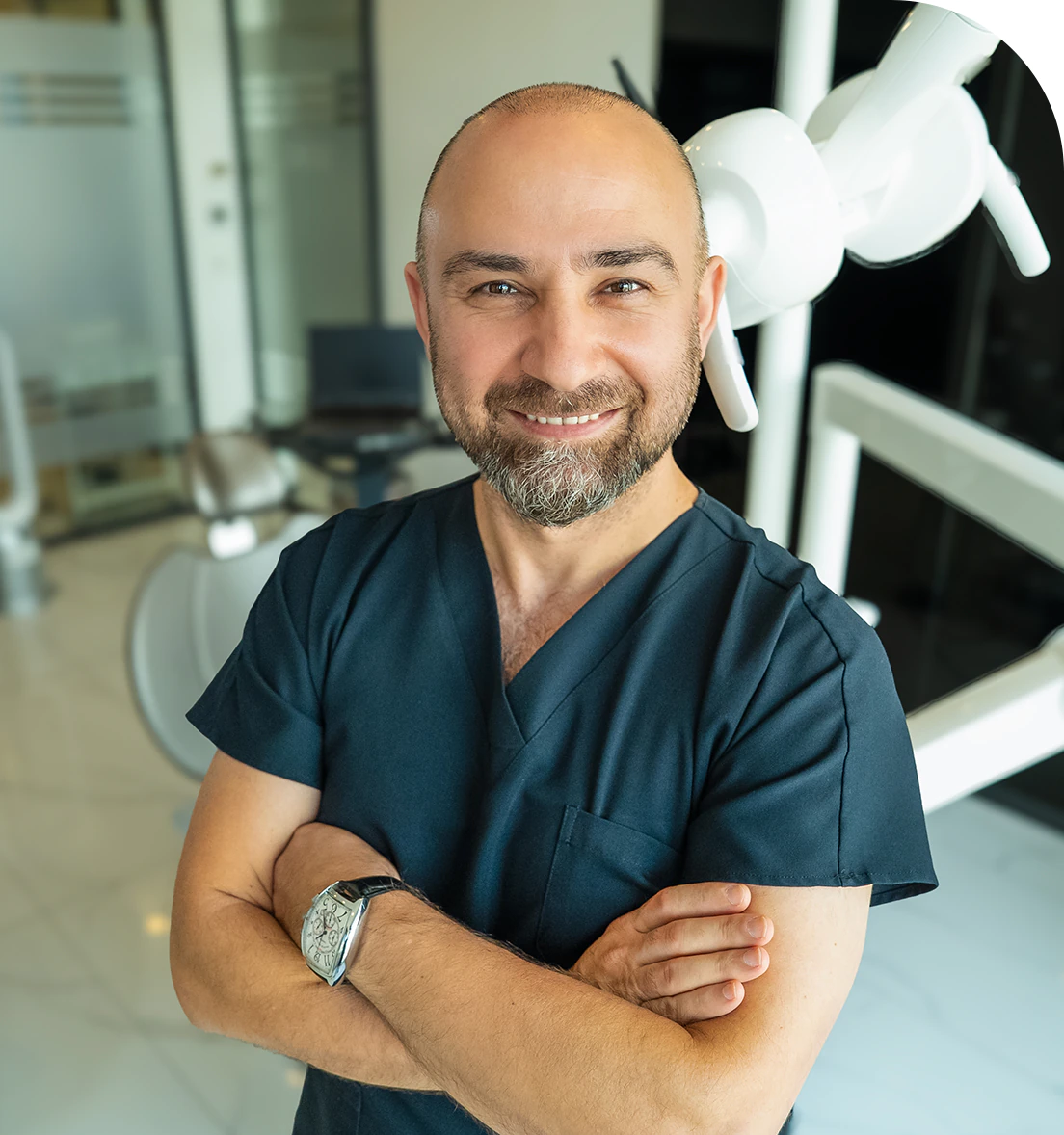
Dr. Dt. Ömer Atar provides care at his private clinic in Istanbul, combining his academic background and many years of clinical experience in dentistry. With a treatment approach that integrates aesthetic and functional solutions, he aims to achieve natural, balanced, and long-lasting results through personalized planning for each patient. Dr. Atar completed his education at the Marmara University Faculty of Dentistry, which he began in 1994, graduating in 2000. He continued his academic work in the Department of Prosthodontics at the same university. In 2007, he earned his PhD degree with his scientific thesis on implants and implant-supported prostheses in patients undergoing distraction osteogenesis. His academic expertise deepened in the fields of metal-free aesthetic systems, implant-supported prostheses, and cosmetic dentistry. Integrating modern technologies and digital dentistry into his practice, Dr. Ömer Atar achieves high success rates in treatments such as smile design, All-on-4/All-on-6 implant treatments, laminate veneers, zirconium crowns, teeth whitening, and gingival aesthetics (gummy smile). As a member of EDAD (Turkish Academy of Aesthetic Dentistry), he embraces a holistic approach focused on modern, functional, and natural outcomes in aesthetic dentistry.


