
 Türkçe
 Français
 Deutsch
 Nederlands
 Svenska

Nutrition after implant placement should be based on soft, balanced, and non-irritating foods to ensure a healthy healing process. In the first days, hot, hard, and acidic foods should be avoided; tissue repair should be supported by choosing a diet rich in protein, vitamins, and minerals.
The question of what to eat in the first days after implant surgery is among the most frequently asked by patients. Yogurt, purées, soups, and softly cooked vegetables reduce chewing load. Consuming foods at a lukewarm temperature helps lower the risk of bleeding while supporting the protection of oral tissues.
Foods that should be avoided after implant surgery have characteristics that may negatively affect healing. Hard-shelled foods, seeded fruits, alcohol, and excessively sugary foods can cause trauma to the implant area and increase the risk of infection. Smoking is also an important factor that delays healing.
Long-term nutrition after implant placement should be planned in a way that supports the integration of the implant with the bone. Foods containing calcium, vitamin D, and protein strengthen bone health. Balanced and regular nutrition increases the success of the implant and the continuity of oral health.
What Should Be Considered Regarding Nutrition in the First Hours?
The first few hours after implant application are generally a period when numbness persists and the oral cavity is sensitive. During this time, eating is postponed for most patients. Eating before the numbness wears off may cause unintentional biting of the cheek or lips. For this reason, the first meal is usually planned for the hours following the procedure, after sensation has returned.
It is recommended that foods chosen on the first day be lukewarm or cold. Very hot foods and beverages are generally not considered appropriate, as they may increase the risk of bleeding in the treated area. In addition, hard, granular, or chew-intensive foods may cause discomfort during this period.
Why Are Soft Foods Important in the First Days?
The first few days after implant placement are a period when soft foods take priority. The main purpose of this approach is to reduce mechanical pressure on the implant area. The forces generated during chewing can be challenging for tissues that are still in the healing phase.
During this period, patients generally prefer foods such as soup, yogurt, puréed vegetables, pudding, or soft omelets. These types of foods are both easy to consume and do not cause additional irritation in the mouth. Soft nutrition indirectly supports the process of the implant integrating with the bone.
The Effect of Cold and Lukewarm Foods
Preferring cold or lukewarm foods in the first days is not only about comfort. Cold foods may help reduce the sensation of swelling that can occur after the procedure. This effect may be felt more noticeably, especially within the first 24 hours.
In contrast, very hot foods such as tea, coffee, or soup can increase the risk of bleeding by dilating blood vessels. Therefore, the temperature factor should not be overlooked in the post-implant nutrition plan. As time passes and healing progresses, the temperature of foods can gradually return to normal.
Which Foods Should Be Avoided?
During the post-implant period, some foods are temporarily restricted. Hard-shelled foods, chips, nuts, or hard bread can apply pressure to the implant area during chewing. Similarly, sticky foods such as chewing gum or caramel-based products can also cause discomfort in the mouth.
Spicy and acidic foods may cause a burning sensation in some patients. Citrus fruits, vinegar-containing foods, or hot sauces can be irritating when they come into contact with sensitive tissues. For this reason, consumption of such foods is limited until the healing process is completed.
Fluid Intake and Nutritional Balance
Post-implant nutrition is closely related not only to what is eaten but also to what is drunk. Adequate fluid intake is important for the overall healing process. However, the use of straws is generally not recommended. The suction force created during drinking with a straw may lead to negative effects in the implant area.
Water, lukewarm herbal teas, and sugar-free beverages are among the more suitable options during this period. Carbonated and highly sugary drinks, on the other hand, may both complicate oral hygiene and increase sensitivity.
The Role of Protein and Vitamin Intake
During the healing process, the body’s need for protein and vitamins may increase. Protein is an important building block for tissue repair. Foods such as eggs prepared in a soft consistency, yogurt, cheese, or well-cooked fish can help meet this need.
Vegetables and fruits rich in vitamins and minerals are also included in the nutrition plan. However, instead of raw and hard vegetables, puréed or well-cooked options are preferred. This approach aims to both benefit from nutritional value and reduce chewing difficulty.
When Is Normal Nutrition Resumed?
The time required to return to normal nutrition after implant placement may vary from person to person. The number of implants, the method of application, and the patient’s overall oral health can be determining factors in this duration. Some patients may begin chewing more comfortably within a few days, while in others this process may take longer.
Generally, the transition to hard foods is gradual. Semi-soft foods are tried first, and if no sensitivity is felt, a wider variety of foods can be introduced. At this stage, it is important for the patient to observe their own body and to take a step back if any strain or discomfort is felt.
The Relationship Between Nutrition and Oral Hygiene
Post-implant nutrition cannot be considered independently of oral hygiene. Even soft and easily consumed foods can leave residues in the mouth. Therefore, attention must be paid to oral care after eating.
Brushing the teeth as recommended by the dentist and, if necessary, using mouthwash helps protect the health of the tissues around the implant. Insufficient oral hygiene can negatively affect the healing process.
Why Is Expert Evaluation Important?
Each patient’s healing process and nutritional tolerance are different. For this reason, post-implant nutrition recommendations provide a general framework, but individual conditions must always be taken into account. When pain, swelling, or unexpected sensitivity occurs, dietary habits should be reviewed and communication with the dentist is recommended.
Implant treatment and the subsequent process are evaluated with a personalized approach. Nutrition is also an important part of this plan. Appropriate food choices and a patient healing process can contribute to the long-term success of the implant.
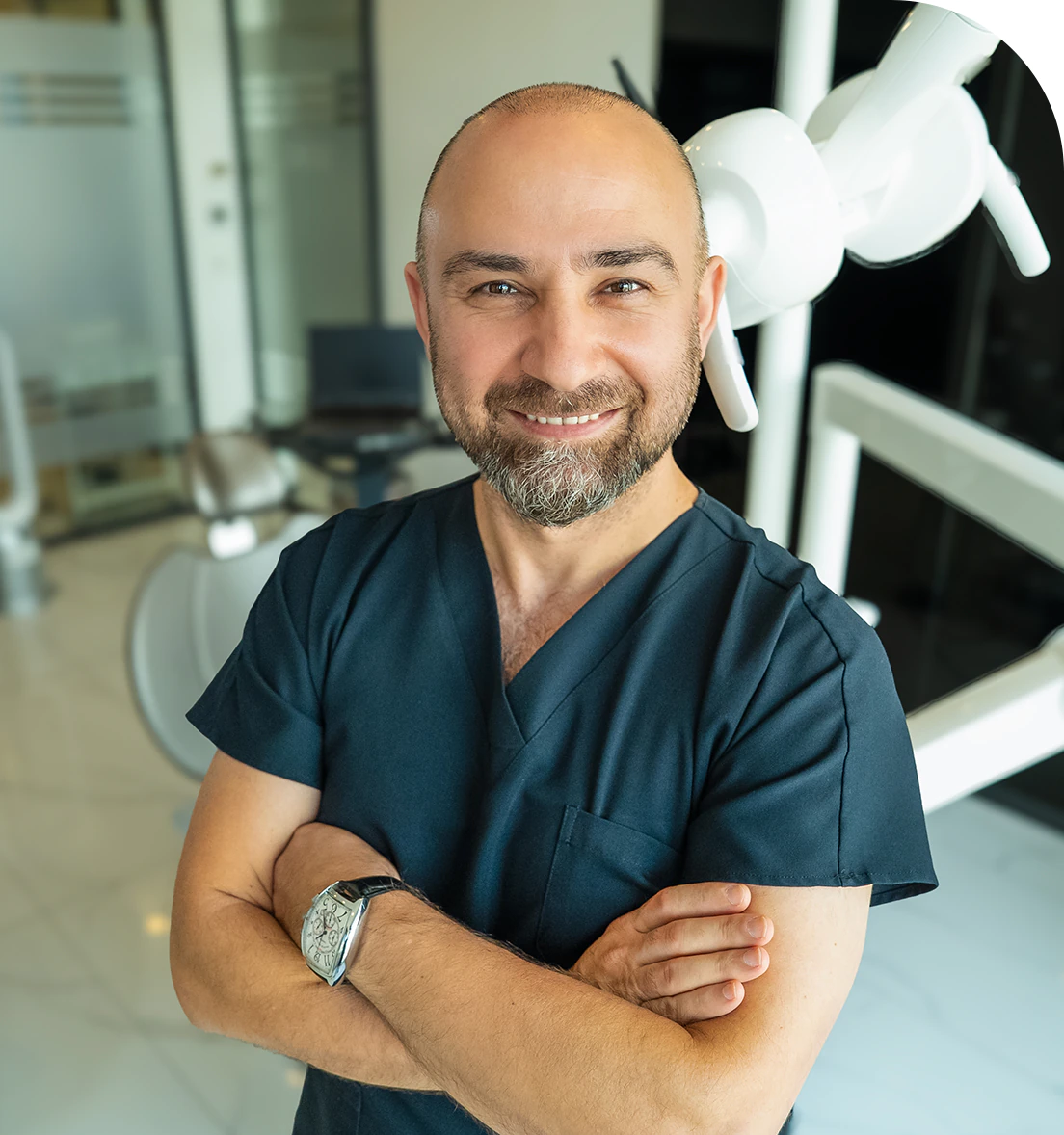
Dr. Dt. Ömer Atar provides care at his private clinic in Istanbul, combining his academic background and many years of clinical experience in dentistry. With a treatment approach that integrates aesthetic and functional solutions, he aims to achieve natural, balanced, and long-lasting results through personalized planning for each patient. Dr. Atar completed his education at the Marmara University Faculty of Dentistry, which he began in 1994, graduating in 2000. He continued his academic work in the Department of Prosthodontics at the same university. In 2007, he earned his PhD degree with his scientific thesis on implants and implant-supported prostheses in patients undergoing distraction osteogenesis. His academic expertise deepened in the fields of metal-free aesthetic systems, implant-supported prostheses, and cosmetic dentistry. Integrating modern technologies and digital dentistry into his practice, Dr. Ömer Atar achieves high success rates in treatments such as smile design, All-on-4/All-on-6 implant treatments, laminate veneers, zirconium crowns, teeth whitening, and gingival aesthetics (gummy smile). As a member of EDAD (Turkish Academy of Aesthetic Dentistry), he embraces a holistic approach focused on modern, functional, and natural outcomes in aesthetic dentistry.


