
 Türkçe
 Français
 Deutsch
 Nederlands
 Svenska

Gum swelling after dental implant surgery is a condition that can be commonly seen after the surgical procedure and is often temporary. This swelling occurs as a result of the tissues being affected during implant placement and is considered a natural healing response of the body, usually becoming noticeable in the first few days.
Among the causes of gum swelling after implant surgery are surgical trauma, accumulation of bacterial plaque, and insufficient oral hygiene. In addition, the development of infection around the implant or irritation at the suture site may also lead to increased swelling and should be carefully monitored.
The treatment of gum swelling after implant surgery should be planned according to the underlying cause. Antiseptic mouthwashes, medications recommended by the dentist, and cold applications may help control the swelling. Unconscious use of medication and intervention in the area should be avoided.
To prevent gum swelling after implant surgery, attention should be paid to oral hygiene, and the area around the implant should be cleaned regularly and gently. Avoiding smoking, not neglecting follow-up appointments, and consulting a dentist if the swelling persists for a long time are important.
What Is Gum Swelling After Implant Surgery?
Gum swelling after implant surgery is a condition characterized by an increase in volume and edema in the soft tissues surrounding the implant following the surgical procedure. The gum tissue may sometimes appear red, sensitive to touch, or tense. This condition does not present the same way in every patient; it may vary depending on the individual’s general health status, oral hygiene habits, and the surgical technique applied.
Swelling is often considered part of the body’s natural healing response. However, in some cases, different underlying causes may be involved, and specialist evaluation may be required.
Possible Causes of Gum Swelling After Implant Surgery
Implant treatment is a surgical procedure, and the gum tissue responds to this process. The cause of swelling is not always due to a single factor; often, multiple factors play a role together.
Edema Related to Surgical Trauma
During implant placement, a controlled procedure is performed on the gum and bone tissue. After this intervention, temporary edema in the tissues is expected. Swelling observed especially within the first few days is generally accepted as a natural part of the healing process.
Tissue Healing Process
The body increases blood flow to repair the area where the implant has been placed. This can lead to a feeling of fullness and swelling in the gums. Some patients may describe mild throbbing or a sensation of tightness during this period.
Insufficient Oral Hygiene
Neglecting oral care during the post-implant period may cause plaque and bacteria to accumulate around the gum tissue. This can lead to irritation of the gum tissue and increased swelling. Neglecting brushing and interdental cleaning in particular poses a risk.
Development of Infection
Swelling may sometimes be a sign of infection. If it is accompanied by symptoms such as pronounced redness of the gums, increasing pain, bad odor, or discharge, the condition should definitely be evaluated by a dentist. The risk of infection varies depending on the individual and intraoral conditions.
Irritation of the Tissues Around the Implant
If temporary prostheses, sutures, or implant-supported components apply pressure to the gum tissue, localized swelling may occur in this area. Patients may sometimes describe this sensation as “my gum looks raised around the implant.”
In Which Situations Is Swelling Considered Normal?
Swelling that appears within the first few days after implant surgery, gradually decreases, and does not increase in severity is often considered normal. During this period, mild tenderness and discomfort when touched may be felt in the gums. Swelling usually tends to subside within a few days to one week.
However, if the swelling progressively increases, the pain intensifies, or symptoms affecting general health appear, professional evaluation becomes important. Since each patient’s healing process progresses differently, it is not appropriate to give exact time frames.
How Is Gum Swelling After Implant Surgery Managed?
Patients experiencing swelling often wonder how this condition will resolve. The treatment approach varies depending on the cause of the swelling and the patient’s overall condition.
Follow-Up Appointments and Specialist Evaluation
Regular follow-up visits after implant surgery help ensure that potential problems are detected early. The dentist evaluates the healing of the gum tissue and plans additional measures if necessary. If swelling lasts longer than expected, these follow-ups become even more important.
Regulating Oral Care
Cleaning the area around the implant gently yet effectively supports gum health. Brushing techniques and auxiliary cleaning products recommended by the dentist can be helpful during this period. Since not every product is suitable for everyone, individual recommendations should be taken into account.
Medication and Supportive Approaches
In some cases, the dentist may recommend certain medications to support the healing process. Such approaches are always planned under professional supervision. Self-medication is not recommended.
Prosthesis and Suture Checks
If the swelling is caused by pressure from a prosthesis or sutures, relief can be achieved with minor adjustments. When patients report such discomfort without delay, the process generally progresses more comfortably.
What Can Be Done to Prevent Gum Swelling After Implant Surgery?
Although some degree of swelling may be unavoidable, reducing the risk is possible. Patients’ daily habits play an important role in this regard.
Paying Attention to Oral Hygiene
Not neglecting oral care during the post-implant period helps protect gum health. Regular brushing, interdental cleaning, and adherence to recommended care routines form the basis of this process.
Not Skipping Follow-Up Appointments
Attending scheduled follow-up visits ensures early detection of potential problems. Patients may sometimes postpone appointments even if their complaints are mild; this can lead to undesirable outcomes.
Smoking and Similar Habits
Certain habits can negatively affect gum healing. Smoking, in particular, may compromise the health of the tissues surrounding the implant. Individual evaluation in this regard is important.
Allowing Time for the Body’s Healing Process
After implant treatment, tissue healing takes time. Being patient during this process, avoiding behaviors that may strain the area, and following recommendations generally contribute positively.
When Should a Dentist Be Consulted?
Although gum swelling after implant surgery is often temporary, certain symptoms should be taken seriously. If swelling progressively increases, or if there is severe pain, fever, bad taste, or discharge, it is recommended to consult a dentist without delay. Clinical evaluation is important to clarify the cause of the condition and determine the appropriate approach.
Each implant process is unique to the individual. Therefore, the information provided here offers a general framework and does not replace individual diagnosis or treatment. The most accurate evaluation is made by a specialist, taking into account the patient’s own oral structure and health status.
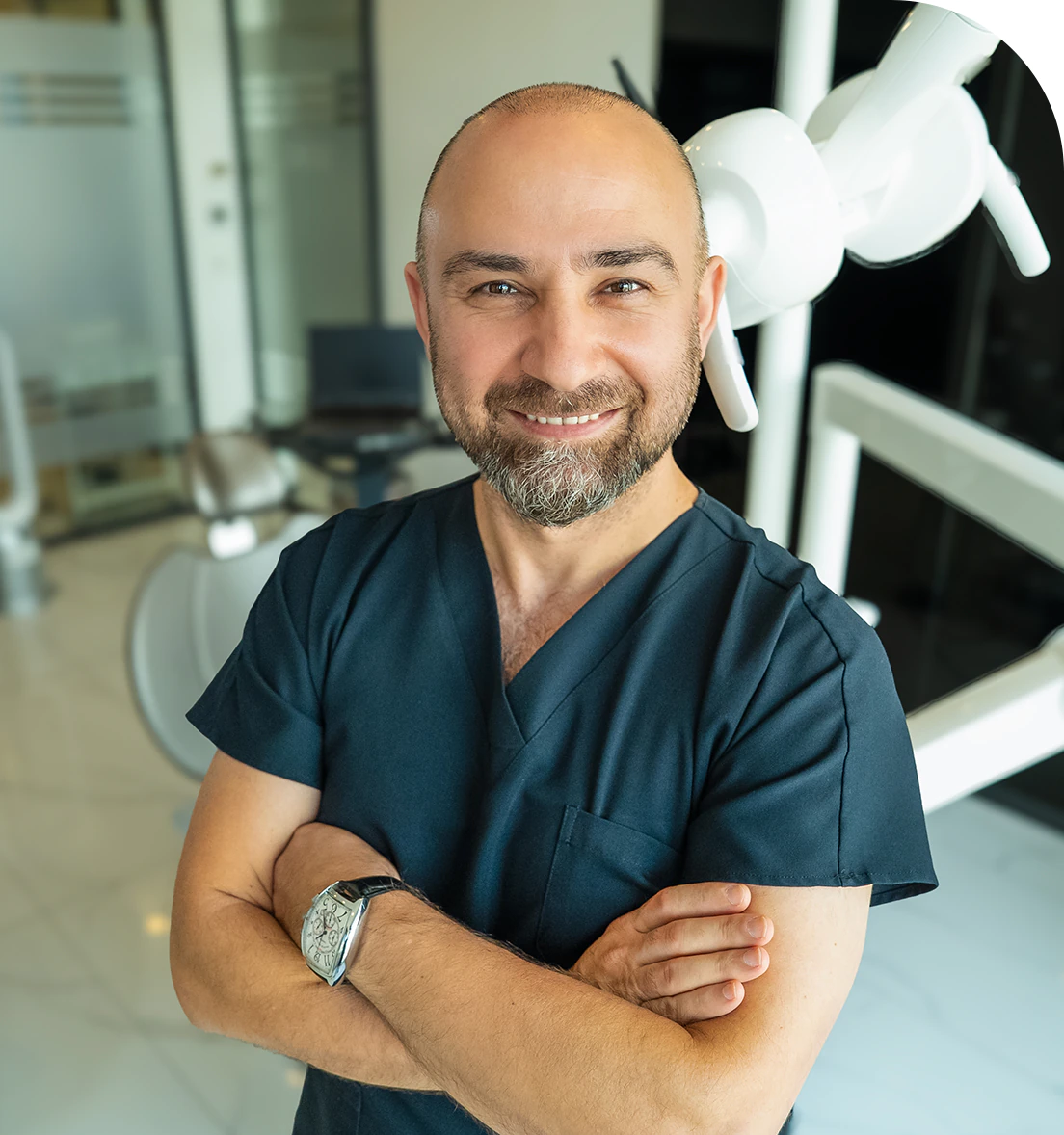
Dr. Dt. Ömer Atar provides care at his private clinic in Istanbul, combining his academic background and many years of clinical experience in dentistry. With a treatment approach that integrates aesthetic and functional solutions, he aims to achieve natural, balanced, and long-lasting results through personalized planning for each patient. Dr. Atar completed his education at the Marmara University Faculty of Dentistry, which he began in 1994, graduating in 2000. He continued his academic work in the Department of Prosthodontics at the same university. In 2007, he earned his PhD degree with his scientific thesis on implants and implant-supported prostheses in patients undergoing distraction osteogenesis. His academic expertise deepened in the fields of metal-free aesthetic systems, implant-supported prostheses, and cosmetic dentistry. Integrating modern technologies and digital dentistry into his practice, Dr. Ömer Atar achieves high success rates in treatments such as smile design, All-on-4/All-on-6 implant treatments, laminate veneers, zirconium crowns, teeth whitening, and gingival aesthetics (gummy smile). As a member of EDAD (Turkish Academy of Aesthetic Dentistry), he embraces a holistic approach focused on modern, functional, and natural outcomes in aesthetic dentistry.


