
 Türkçe
 Français
 Deutsch
 Nederlands
 Svenska

Ice therapy after an implant is generally applied during the first 24 hours. Cold application is performed to reduce swelling, pain, and bleeding that may occur after the surgical procedure; it supports the healing process by keeping edema in the tissues under control.
After implant surgery, the duration of ice application is usually planned in intervals of 10–15 minutes. Ice should not be applied directly to the skin; it should be used through a thin cloth, and similar-length breaks should be given between each application.
Continuation of ice therapy after the first day is generally not recommended. Cold applications exceeding 24 hours may slow tissue healing and negatively affect circulation. For this reason, ice therapy is used only for early-stage inflammation control.
In addition to ice therapy for controlling swelling after an implant, the medications and care instructions recommended by the physician are important. Paying attention to oral hygiene, avoiding hot foods, and limiting physical strain reduce the risk of complications and accelerate healing.
Why Is Ice Therapy Recommended After an Implant?
Implant placement means a controlled surgical procedure in the gum and jawbone. After this intervention, the body initiates a natural healing response. During this response, edema (swelling), mild pain, and sometimes bruising may be observed in the area.
The main purpose of ice application is to temporarily constrict the blood vessels in the treated area, thereby limiting these reactions. Cold application can help reduce fluid accumulation in the tissues and thus prevent swelling from becoming more pronounced.
How Long Should Ice Therapy Be Applied?
Ice therapy after an implant is generally applied within the first 24 hours. This period is considered the time when the body’s inflammatory response is most intense. After the first day, the effect of ice application decreases and, in most cases, it is not considered necessary.
However, keeping ice applied continuously during these 24 hours is not recommended. Instead, intermittent application is preferred. A commonly used method is as follows:
- 10–15 minutes of ice application
- Then a 10–15 minute break
- Repeating this cycle several times during the day
This approach helps prevent excessive exposure of the skin and superficial tissues to cold.
How Many Days Should Ice Therapy Continue?
For most patients, ice therapy is sufficient only on the first day. From the second day onward, swelling generally stabilizes or gradually begins to regress. After this stage, instead of cold application, different supportive measures may come into consideration according to the physician’s recommendation.
In rare cases, if swelling is more pronounced than expected or the patient feels significant tightness in the facial area, ice application may be recommended for one more day under physician supervision. However, this decision is evaluated according to the individual healing process.
How Should Ice Application Be Performed?
For ice therapy to be effective and safe, the method of application is important. Placing ice directly on the skin can cause irritation or cold burns. Therefore, ice must be applied wrapped in a thin cloth or towel.
Application is generally performed from the outer surface of the side where the implant was placed, namely the cheek area. Placing ice directly inside the mouth or making contact with the implant area is not recommended. This can negatively affect the suture line and healing tissues.
Does Ice Therapy Completely Prevent Swelling?
Ice application should not be considered a method that completely eliminates swelling. Rather, it helps keep swelling under control. Mild to moderate swelling after an implant is an expected condition for most patients and is accepted as a natural part of the healing process.
The degree of swelling may vary depending on the number of implants placed, the duration of the procedure, bone structure, and the person’s general health condition. Therefore, while minimal swelling may be observed in one patient, more pronounced edema may develop in another.
For Whom Is Ice Therapy More Important?
In some patients, ice therapy may provide more noticeable benefits. Especially:
- Individuals who have had multiple implants placed in the same session
- Patients who have undergone additional surgical procedures such as bone grafting
- Those who have previously experienced significant swelling after surgical procedures
In these groups, cold application can help reduce discomfort during the first days. Nevertheless, rather than giving a standard application duration for every patient, individual evaluation is prioritized.
What Should Be Considered After Ice Therapy?
After the first 24-hour period has passed, the healing process enters a different stage. During this period, avoiding excessively hot foods and beverages, not consuming hard foods that may strain the implant area, and paying attention to oral hygiene become important.
After ice therapy ends, swelling is expected to gradually decrease over a few days. If swelling continues to increase, pain intensifies, or additional symptoms such as fever appear, this situation should definitely be evaluated by a dentist.
Does the Post-Implant Process Vary From Person to Person?
Each implant patient’s healing process is unique. Even if the same procedure is applied, the body’s response may vary from person to person. Therefore, the duration and necessity of ice therapy should be considered within the framework of general recommendations and should not be seen as a strict rule.
The individual recommendations given by the physician are always more prioritized than general information found on the internet. Especially in individuals with systemic diseases, those who use regular medications, or those with immune system-related problems, the healing process is monitored more closely.
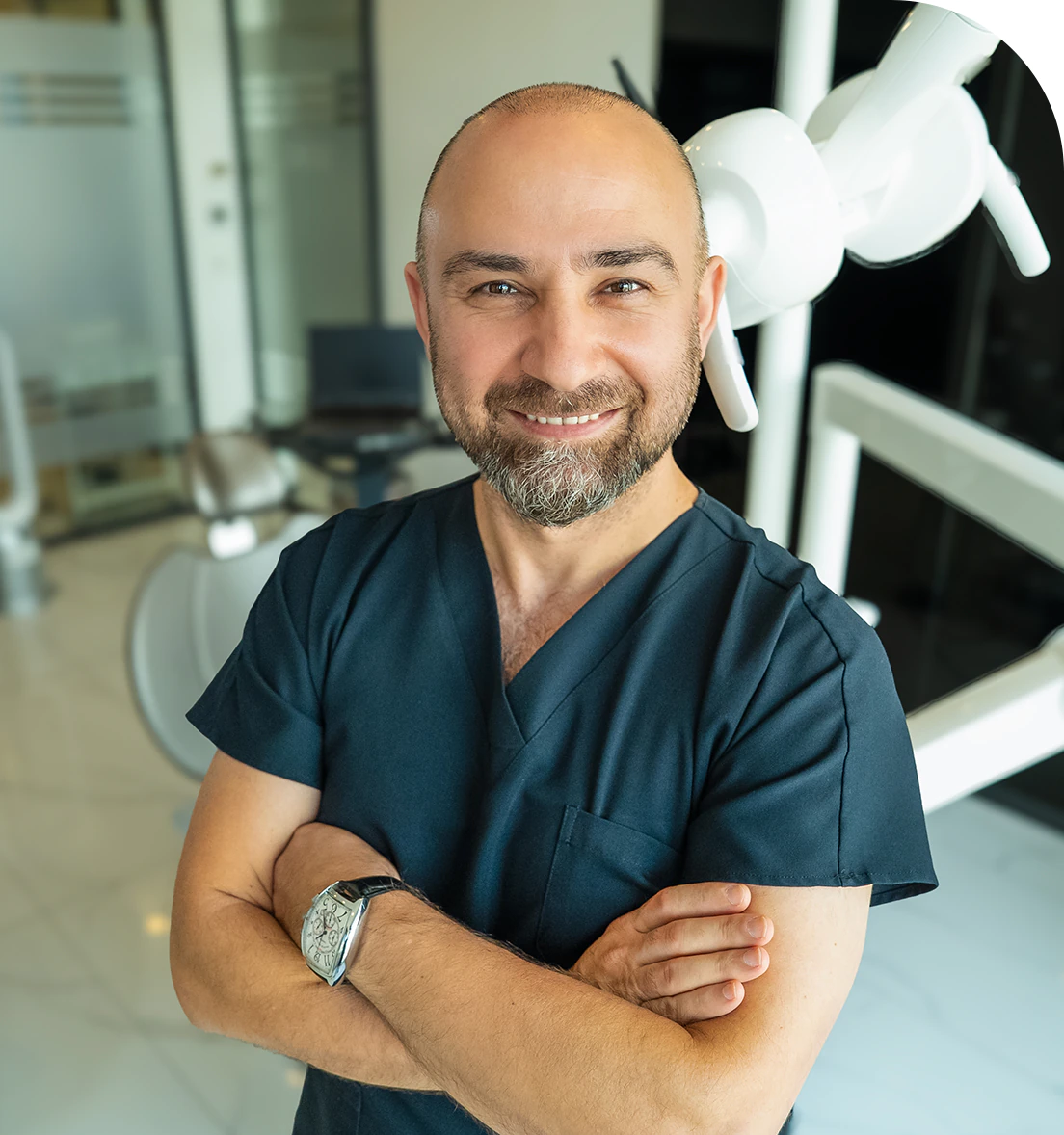
Dr. Dt. Ömer Atar provides care at his private clinic in Istanbul, combining his academic background and many years of clinical experience in dentistry. With a treatment approach that integrates aesthetic and functional solutions, he aims to achieve natural, balanced, and long-lasting results through personalized planning for each patient. Dr. Atar completed his education at the Marmara University Faculty of Dentistry, which he began in 1994, graduating in 2000. He continued his academic work in the Department of Prosthodontics at the same university. In 2007, he earned his PhD degree with his scientific thesis on implants and implant-supported prostheses in patients undergoing distraction osteogenesis. His academic expertise deepened in the fields of metal-free aesthetic systems, implant-supported prostheses, and cosmetic dentistry. Integrating modern technologies and digital dentistry into his practice, Dr. Ömer Atar achieves high success rates in treatments such as smile design, All-on-4/All-on-6 implant treatments, laminate veneers, zirconium crowns, teeth whitening, and gingival aesthetics (gummy smile). As a member of EDAD (Turkish Academy of Aesthetic Dentistry), he embraces a holistic approach focused on modern, functional, and natural outcomes in aesthetic dentistry.


