
 Türkçe
 Français
 Deutsch
 Nederlands
 Svenska

Inability to bite on the tooth after root canal treatment is a temporary complaint that can be commonly observed after the procedure. Due to the impact on the tissues surrounding the root tip during treatment, sensitivity may develop, which can lead to pain during chewing.
Among the reasons for pain felt under pressure after root canal treatment are the inflammation inside the canal not having completely subsided, the filling being left too high, or the development of edema in the surrounding connective tissues. These factors can create sensitivity to normal tooth contact.
In response to the question of how to reduce tooth pain after root canal treatment, the painkillers recommended by the dentist should be used regularly, and hard foods should not be chewed with the treated tooth. Temporarily chewing on the opposite side helps support tissue healing.
The question of when to see a doctor if the inability to bite on the tooth after root canal treatment does not go away is important. If the pain does not decrease within a few days, gradually increases, or is accompanied by swelling, the root canal treatment may need to be re-evaluated. Early control helps prevent permanent problems.
Why is pain felt after root canal treatment?
Root canal treatment aims to remove infected or damaged nerve tissue inside the tooth. During this procedure, the tissues surrounding the root tip of the tooth may also be affected. Even if the treatment is completed, the sensitivity formed in the surrounding tissues may not disappear immediately. For this reason, experiencing a throbbing or stinging sensation when biting on the tooth, especially in the first days, is quite common.
Some patients may interpret this pain as “Is my tooth still infected?”. However, in most cases, this situation is a natural part of the tissue healing process. Every mouth and every tooth does not heal at the same speed.
Possible causes of inability to bite on the tooth
Discomfort during chewing after root canal treatment may have different causes. These can usually be seen independently or together.
Sensitivity of the tissues at the root tip
While the root canals are cleaned during treatment, a mechanical stimulus occurs in areas close to the root tip. This can lead to temporary sensitivity in the bone and connective tissue surrounding the tooth. The patient feels this more clearly especially when pressure is applied to the tooth while eating hard foods.
High filling or temporary restoration
The filling placed after root canal treatment may sometimes contact earlier than other teeth during chewing. This height difference causes more pressure than normal to be placed on the tooth. As a result, pain may occur when biting on the tooth. The patient may describe this situation as “it feels like my tooth has grown longer.”
Pre-existing infection before treatment
Some teeth have a long-standing infection before root canal treatment is performed. This infection may have caused bone loss at the root tip. Even though the microbial load is eliminated with treatment, it takes time for the bone tissue to recover. During this process, biting on the tooth may create sensitivity.
Number of canals and anatomical difficulties
Especially in posterior teeth, the number of canals may be high and the canal structure may be complex. As the treatment becomes technically more difficult, the likelihood of affecting the surrounding tissues also increases. This can prolong the duration of post-treatment sensitivity.
How long does this pain last?
One of the issues patients are most curious about is the duration of the pain. The inability to bite on the tooth after root canal treatment usually decreases within a few days to one week. In some cases, this period may be slightly longer.
It is expected that the pain will gradually decrease. However, if the pain increases despite the passage of days, becomes severe enough to wake the patient at night, or is accompanied by swelling, this condition must be evaluated by a dentist.
What should be considered in daily life?
During the healing process, the patient’s daily habits can directly affect the severity of the discomfort experienced. With small precautions, the load on the tooth can be reduced.
Avoiding chewing hard and crusty foods with the treated tooth and using the opposite side in the first days can be beneficial. Not deliberately straining the tooth supports the healing process. In addition, paying attention to oral hygiene helps keep the surrounding tissues healthy.
Regarding the use of painkillers, the dentist’s recommendations must be taken into consideration. Not every medication is suitable for everyone, and unconscious use is not recommended.
When should you consult a dentist again?
Not every pain after root canal treatment is considered normal. Some symptoms may require re-evaluation. Especially in the following situations, it is important to consult a dentist without delay:
- Pain that gradually increases and does not decrease within a few weeks
- Swelling in the gums or face
- A throbbing sensation even without touching the tooth
- Sudden and sharp pain during chewing
These symptoms may be related to different causes, ranging from a high filling to an internal canal problem. The source of the problem can only be determined through clinical examination and, if necessary, radiographic evaluation.
Was the root canal treatment unsuccessful?
This is another question that occupies patients’ minds. Inability to bite on the tooth does not always mean that the treatment was unsuccessful. In most cases, the problem resolves with a simple adjustment or completion of the healing process.
However, in rare cases, there may be an overlooked detail inside the canal, the presence of an additional canal, or insufficient healing at the root tip. In such situations, the dentist evaluates additional treatment options on an individual basis.
Patients’ expectations and the individualized nature of the process
Each patient’s pain threshold, healing speed, and tooth structure are different. Therefore, experiences after root canal treatment also vary from person to person. While some patients can chew comfortably the next day, others may need to act more cautiously for a few more days.
The healthiest approach during this process is to observe the symptoms and seek expert opinion when necessary. General information read on the internet does not replace an individual situation. Clinical decisions are always made specifically for the patient.
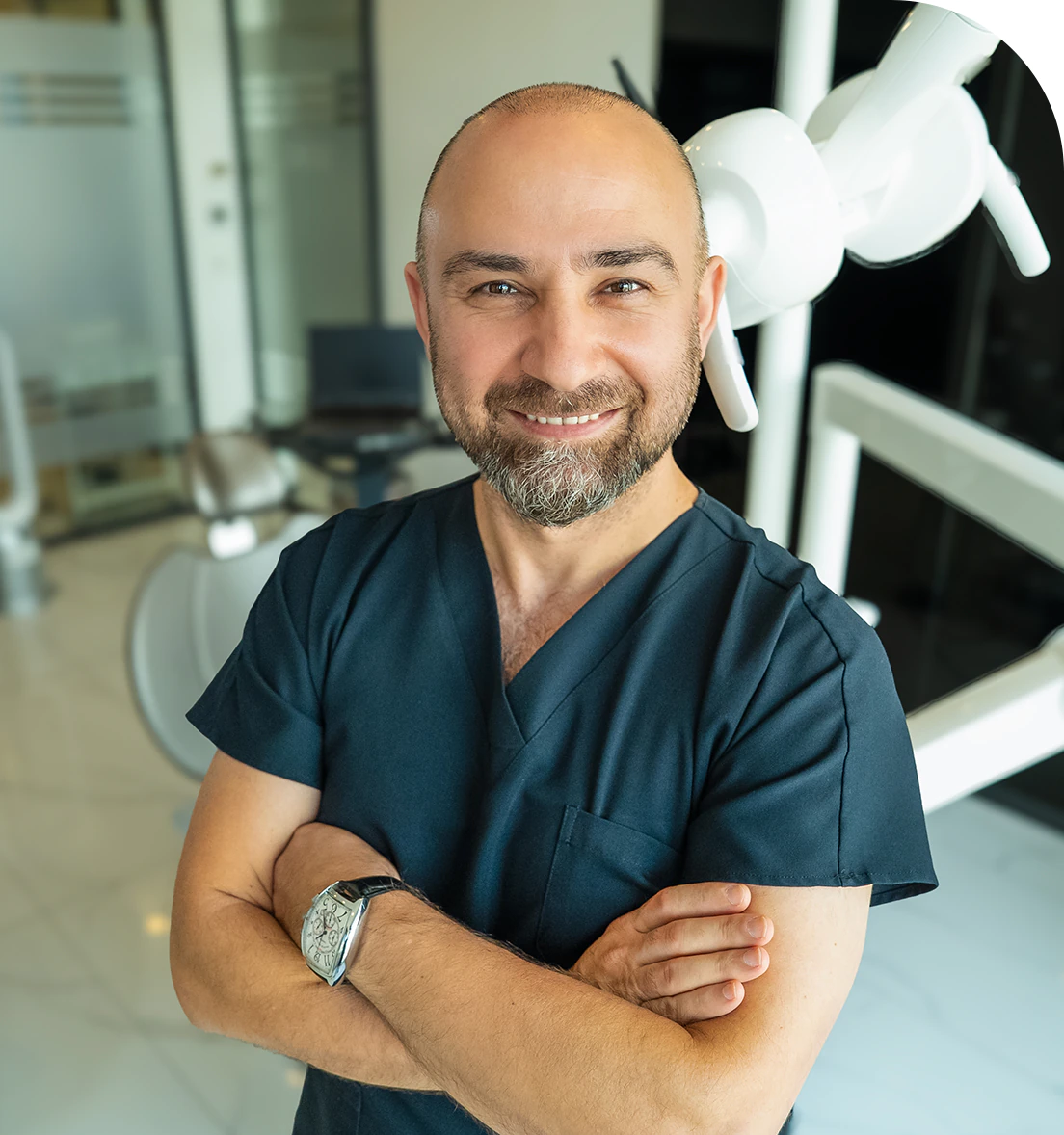
Dr. Dt. Ömer Atar provides care at his private clinic in Istanbul, combining his academic background and many years of clinical experience in dentistry. With a treatment approach that integrates aesthetic and functional solutions, he aims to achieve natural, balanced, and long-lasting results through personalized planning for each patient. Dr. Atar completed his education at the Marmara University Faculty of Dentistry, which he began in 1994, graduating in 2000. He continued his academic work in the Department of Prosthodontics at the same university. In 2007, he earned his PhD degree with his scientific thesis on implants and implant-supported prostheses in patients undergoing distraction osteogenesis. His academic expertise deepened in the fields of metal-free aesthetic systems, implant-supported prostheses, and cosmetic dentistry. Integrating modern technologies and digital dentistry into his practice, Dr. Ömer Atar achieves high success rates in treatments such as smile design, All-on-4/All-on-6 implant treatments, laminate veneers, zirconium crowns, teeth whitening, and gingival aesthetics (gummy smile). As a member of EDAD (Turkish Academy of Aesthetic Dentistry), he embraces a holistic approach focused on modern, functional, and natural outcomes in aesthetic dentistry.


