
 Türkçe
 Français
 Deutsch
 Nederlands
 Svenska

Things to consider after wisdom tooth extraction include the basic rules that ensure a fast and trouble-free healing process. During the first 24 hours after extraction, protecting the blood clot, controlling bleeding, and reducing the risk of infection are of critical importance.
Nutrition after wisdom tooth extraction directly affects wound healing. On the first day, hot, hard, and irritating foods should be avoided; lukewarm and soft foods should be preferred. Using a straw and intensive chewing may cause disruption of the blood clot.
Oral care after wisdom tooth extraction is an important step in preventing infection. Mouth rinsing should not be performed during the first 24 hours; afterward, gentle oral care should be continued in accordance with the dentist’s recommendations. The extraction area should not be directly traumatized with a toothbrush.
Pain and swelling management after wisdom tooth extraction is part of the normal healing process. Cold application may reduce edema, and prescribed medications should be used regularly. In the presence of increasing pain, bad odor, or fever, a dentist should be consulted.
Why Are the First Hours After Extraction Important?
The first few hours immediately after tooth extraction are considered critical for blood clot formation. This clot that forms in the extraction area protects the wound and allows healing to begin. Therefore, an incorrect movement during the first hours may cause the clot to become dislodged.
Patients generally experience numbness after the procedure. During this period, unconscious movements such as biting the lip or cheek may damage the soft tissues. It is recommended to be cautious until the numbness wears off.
Is Bleeding Normal, and When Should It Be a Concern?
Light oozing-type bleeding after extraction is often considered normal. Biting on the tampon placed by the dentist for the specified duration helps control the bleeding. If the tampon is removed too early, bleeding may be prolonged.
However, if bleeding does not stop or increases despite the passage of hours, this situation must be evaluated by a specialist. Not every bleeding situation is the same, and individualized assessment is important.
How Should Nutrition Be on the First Day?
Nutrition after wisdom tooth extraction is one of the factors that directly affects the healing process. During the first days, it is recommended to avoid very hot, very cold, or hard foods. Soft and lukewarm foods such as soup, yogurt, and purée are generally easier to consume.
Avoiding chewing on the extraction side helps prevent irritation of the wound. In addition, the use of a straw is generally not recommended, as it can create negative pressure in the mouth. This may cause the blood clot to become dislodged.
How Long Do Swelling and Pain Last?
Mild to moderate pain and swelling are common after extraction. Especially after impacted wisdom tooth extractions, swelling may last for several days. During the first 24 hours, externally applied cold compresses may help control swelling.
Pain threshold varies from person to person. While some patients return to their daily lives in a short time, others may feel the need to rest for a few days. Severe or progressively increasing pain definitely requires specialist evaluation.
How Should Oral Hygiene Be Maintained?
Oral hygiene should not be neglected after tooth extraction; however, caution is required. Mouth rinsing is generally not recommended during the first 24 hours. Forceful gargling movements may disrupt the blood clot.
Tooth brushing may continue as long as it does not come into contact with the extraction area. In cases recommended by the dentist, gentle mouth rinses may be used after a certain period. Maintaining oral hygiene is an important step in reducing the risk of infection.
Why Are Smoking and Alcohol Use Harmful?
Smoking is among the factors that negatively affect healing after wisdom tooth extraction. Cigarette smoke may reduce blood flow to the oral tissues and prolong the healing period. It may also predispose to a condition known as “alveolitis,” commonly referred to as “extraction site inflammation.”
Alcohol, on the other hand, may interact with medications used in some cases and increase tissue sensitivity. For this reason, it is generally recommended to avoid these habits for a certain period after extraction.
How Should Medications Be Used?
Painkillers or antibiotics may be prescribed after tooth extraction. It is important to use these medications at the dose and for the duration recommended by the dentist. Adding medications on one’s own or discontinuing the prescription early is not appropriate.
Each patient’s general health condition is different. Therefore, other medications used or existing diseases should definitely be shared with the dentist before and after the procedure.
Balance Between Physical Activity and Rest
During the first days after extraction, it is recommended to avoid heavy exercise and strenuous activities. Physical exertion may increase blood pressure and cause bleeding to restart. Short walks generally do not cause problems; however, the body’s signals should be taken into account.
Adequate rest helps support the immune system during the healing process. Patients generally return to their daily routines gradually within a few days.
In Which Situations Is Specialist Evaluation Necessary?
Although most wisdom tooth extractions heal without problems, some symptoms should definitely be taken seriously. Conditions such as severe and persistent pain, bad odor, unpleasant taste in the mouth, increasing swelling, or fever require specialist evaluation.
Although these symptoms do not always indicate a serious problem, it is not possible to make a definitive comment without an individualized assessment. Early intervention contributes to a more comfortable recovery process.
Is the Healing Process Individualized?
The healing period after wisdom tooth extraction may vary depending on the position of the tooth, the degree of difficulty of the extraction, the person’s general health status, and oral care habits. While some patients report feeling relief within a few days, for others this period may be slightly longer.
For this reason, comparing one’s own process with the experiences of others may be misleading. The healthiest approach is to follow the dentist’s recommendations and seek professional advice in unexpected situations.
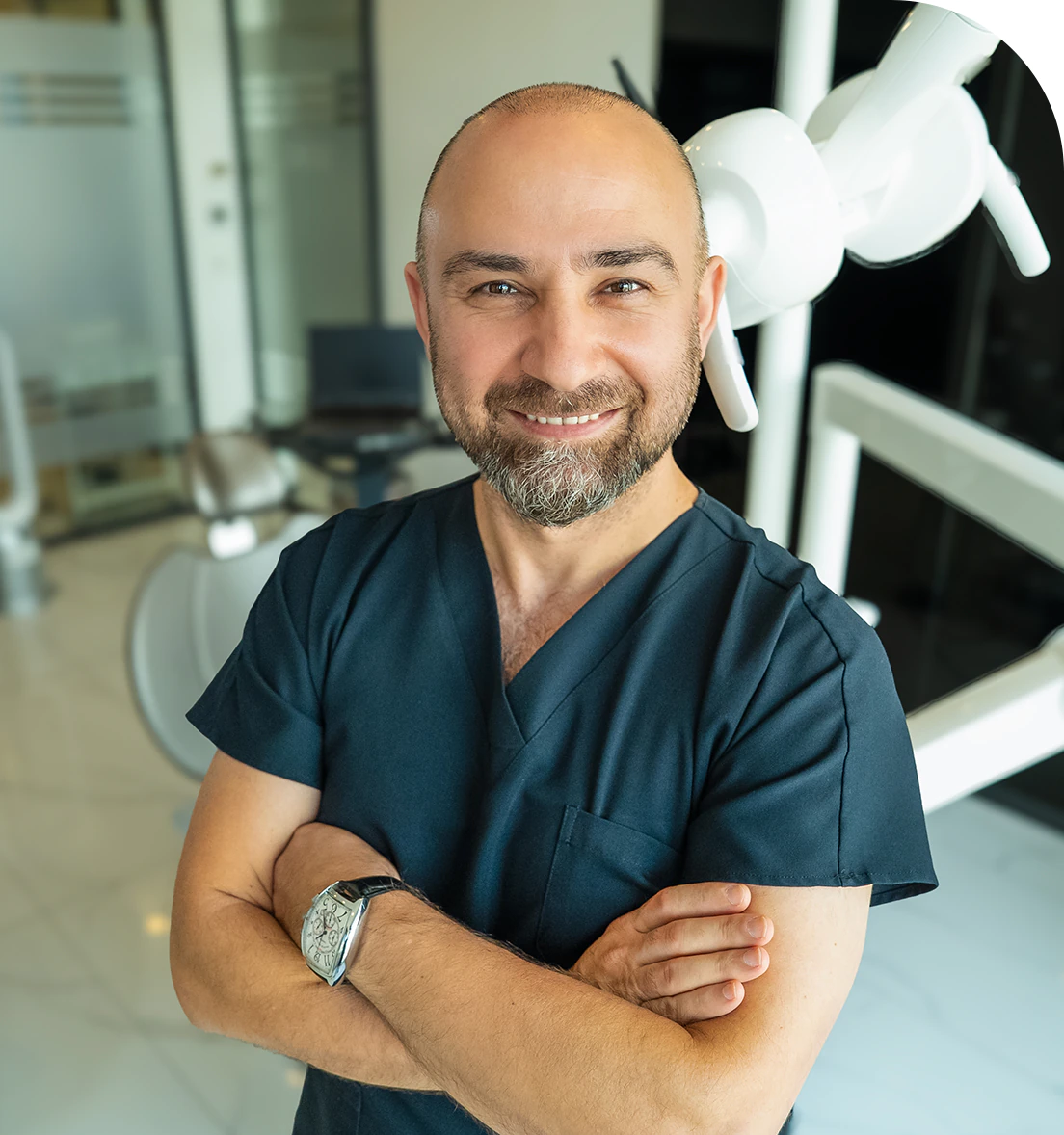
Dr. Dt. Ömer Atar provides care at his private clinic in Istanbul, combining his academic background and many years of clinical experience in dentistry. With a treatment approach that integrates aesthetic and functional solutions, he aims to achieve natural, balanced, and long-lasting results through personalized planning for each patient. Dr. Atar completed his education at the Marmara University Faculty of Dentistry, which he began in 1994, graduating in 2000. He continued his academic work in the Department of Prosthodontics at the same university. In 2007, he earned his PhD degree with his scientific thesis on implants and implant-supported prostheses in patients undergoing distraction osteogenesis. His academic expertise deepened in the fields of metal-free aesthetic systems, implant-supported prostheses, and cosmetic dentistry. Integrating modern technologies and digital dentistry into his practice, Dr. Ömer Atar achieves high success rates in treatments such as smile design, All-on-4/All-on-6 implant treatments, laminate veneers, zirconium crowns, teeth whitening, and gingival aesthetics (gummy smile). As a member of EDAD (Turkish Academy of Aesthetic Dentistry), he embraces a holistic approach focused on modern, functional, and natural outcomes in aesthetic dentistry.


