
 Türkçe
 Français
 Deutsch

Sinus lifting surgery in Turkey is a specialized oral surgical procedure performed to increase bone volume in the posterior maxilla, enabling safe placement of dental implants. The intervention elevates the maxillary sinus membrane and augments the area with graft material under sterile clinical conditions.
Cost of sinus lifting surgery in Turkey varies depending on the graft material, clinical infrastructure, and surgeon’s expertise, yet it remains comparatively affordable within international standards. Accredited dental clinics provide comprehensive treatment planning, radiological imaging, and perioperative evaluation.
Sinus lift procedure and recovery process involve detailed radiographic assessment, local or sedation anesthesia, and careful elevation of the Schneiderian membrane. Postoperative recovery generally includes mild edema and controlled discomfort, with healing periods ranging from several months before implant placement.
Benefits of sinus augmentation for dental implants include improved primary implant stability, enhanced long-term success rates, and restoration of functional mastication. Adequate bone height achieved through this technique supports prosthetic rehabilitation and contributes to predictable aesthetic and structural outcomes.
| What You Need to Know | Information |
| Definition | Sinus lifting (sinus elevation) is a surgical procedure in the posterior maxillary region (especially where the molars are located) in which the floor of the sinus cavity is surgically lifted and a bone graft is placed in this space. This method is applied to provide sufficient bone height for implant placement. |
| Anatomical Basis | In the upper jaw, posterior regions contain air-filled spaces known as the maxillary sinuses. After tooth loss, these sinuses expand and bone height decreases. In such cases, there is insufficient bone for implants. Sinus lifting reconstructs this area. |
| Purpose | – To enable implant placement in patients with insufficient bone height in the posterior maxilla – To compensate for bone loss and ensure long-term success of the implant |
| Who Is It For? | – Individuals with missing teeth in the posterior maxilla and implant plans – Patients with less than 4–5 mm of bone height – Cases where the sinus cavity is too close to the implant site |
| Techniques | – Open Sinus Lifting (Lateral Technique): When bone height is very limited (usually <4 mm), a window is created in the lateral maxillary bone, the sinus membrane is lifted, and bone graft is placed. – Closed Sinus Lifting (Osteotome Technique): In cases with less bone loss, the sinus membrane is elevated while preparing the implant site and graft material is applied. |
| Procedure | Performed under local anesthesia. The sinus membrane is carefully lifted, and graft material (bone powder or synthetic graft) is placed into the space. If appropriate, the implant can be placed in the same session. |
| Types of Grafts Used | – Autogenous (the patient’s own bone) – Allogeneic (grafts from cadavers) – Xenogeneic (animal-derived) – Synthetic graft materials |
| Healing Process | – After the open technique, bone healing may take 6–9 months – For the closed technique, healing is generally 3–6 months – Regular follow-up and good oral hygiene are important |
| Possible Complications | – Sinus membrane perforation (tearing) – Infection development – Graft failure – Swelling, bruising, and mild pain (temporary) |
| Postoperative Recommendations | – Avoid forceful nose blowing – Avoid pressure-increasing activities (airplane travel, diving, etc.) – Follow prescribed antibiotics and pain relievers – Opt for a soft diet |
| Alternative Methods | – Abandoning implant and opting for fixed prosthetics – Short implants (suitable in some cases) – Zygomatic implants (for advanced bone loss cases) |
What Is Sinus Lifting?
Sinus lifting is a surgical procedure performed when there is insufficient bone height for implant placement in the posterior maxillary region. In this method, the sinus membrane is elevated, and bone graft material is placed into the created space to increase bone volume. Thus, a solid foundation for implants is achieved. The procedure is performed under local anesthesia and the healing process can take several months.
How Do Upper Jaw Anatomy and the Sinus Cavity Affect Implant Success?
An implant is an artificial tooth root made of titanium. Just like a tree’s roots must firmly anchor into the soil, an implant must integrate with the jawbone. If the “soil” (bone) is not deep enough, the “tree” (implant) may fall. According to biomechanical principles, implants must have a certain length and diameter to withstand chewing forces.
In cases where the sinus cavity has descended, attempting to place very short implants often ends in failure. Short implants cannot distribute the chewing forces evenly into the bone, leading to implant mobility, accelerated bone resorption around the implant, and ultimately, implant failure. Therefore, sinus lifting is not an aesthetic choice, but a biological necessity to ensure the implant can remain in your mouth for a lifetime.
How Is Sinus Sagging Diagnosed Before Treatment?
As clinicians, we must have a detailed map before deciding on surgery. Previously used standard panoramic X-rays (long films showing the entire jaw) only provided a two-dimensional overview. However, for a delicate procedure like sinus lifting, this is no longer sufficient.
Today, the gold standards for this diagnosis are:
- Three-Dimensional Cone Beam Computed Tomography (CBCT)
- Detailed clinical examination
- Advanced imaging techniques
Tomography allows the surgeon to view the surgical site in millimetric slices. Before starting surgery, we already know whether there is a septum in the sinus cavity, if the sinus membrane has thickened, and where the blood vessels in the area are. This eliminates the element of surprise.
Which Patients Are Suitable for the Open Sinus Lifting Technique?
Sinus lifting procedures are basically divided into two main techniques. The first and most comprehensive of these is the “Open Technique,” also known as the “Lateral Window” approach. This method is developed for cases where bone loss is severe. If the patient’s own bone is less than 4 millimeters, we usually prefer this technique.
The logic of the procedure is as follows: We lift the gum tissue and reach the lateral wall of the jawbone. Here, we create a small window in the bone. Behind this window lies the sinus membrane. We gently push this membrane upward using special instruments. The large space created between the membrane and bone is then filled with bone grafts. This method is very reliable because it gives the surgeon a wide field of vision and allows a large volume of bone to be added.
Situations where the open sinus lifting technique is preferred include:
- Bone height less than 4 millimeters
- Multiple missing teeth
- Need for a large bone volume
- Complex sinus floor anatomy
What Is the Closed Sinus Lifting Technique and Who Is It For?
The other method is the more minimally invasive “Closed Technique” or “Crestal Approach.” This technique is used in cases where bone height is relatively better (usually 5–6 mm or more) and only a small amount of bone needs to be added.
In this technique, we do not make a large incision in the gum or create a window from the side. Instead, we insert special instruments through the implant socket and tap the sinus floor upward. The sinus floor is fractured and the membrane is pushed upward. Bone graft is injected into the small space created. The biggest advantage for the patient is that the surgical trauma is very minimal, and the healing process is much faster.
Advantages of the closed technique include:
- Less swelling
- Less pain
- Shorter operation time
- Faster healing
Is Pain Felt During the Sinus Lifting Procedure?
The biggest concern for my patients is understandably pain. I often hear, “Doctor, are you going to break the bone? Will it hurt a lot?” I can say with confidence—no, you will not feel pain during the procedure.
The operation is performed under the same local anesthesia we use for a standard dental filling or tooth extraction. Since the area is fully numbed, you will not perceive the incision or bone manipulation as pain. You may only feel pressure, touch, or mild vibration—but not sharp pain. If you have significant dental chair anxiety, sedation or general anesthesia options are always available.
What Types of Bone Graft Materials Are Used?
The materials we use to fill the new volume created in the sinus cavity are called “grafts.” These materials serve as scaffolds where the body’s own bone cells settle and gradually transform into hard tissue. The choice of graft depends on the case and the surgeon’s experience.
Commonly used graft types include:
- Autogenous bone
- Allografts
- Xenografts
- Synthetic grafts
To elaborate: autogenous bone is taken from another part of the patient’s jaw and is considered the “gold standard” because it contains live cells. Xenografts, usually bovine-derived, are safe minerals purified of all organic materials in a lab. Often, we use a mix of these materials (composite grafts) to gain volume and speed up healing.
Are Implants Placed at the Same Time as Sinus Lifting?
The answer to this question depends entirely on the patient’s existing bone volume. For us clinicians, the critical threshold is typically 4 millimeters.
If the patient has at least 4 mm of their own bone below the sinus floor, we usually prefer “Single-Stage Surgery.” That means we lift the sinus and place the implant in the same session. Because 4 mm of bone can provide “primary stability” to keep the implant immobile upon placement. This is a big comfort for the patient: the procedure is completed in one session, and the healing phase begins.
However, if the bone is less than 4 mm, placing the implant immediately may be risky as it could drop into the empty space. In this case, we perform “Two-Stage Surgery.” First, the sinus is lifted, bone graft is placed, and the area is closed. After waiting about 6 months for bone to form, a second procedure is done to place the implant.
Criteria we consider when deciding include:
- Current bone height
- Bone density
- Patient’s general health
- Smoking habits
What Is the Healing Process Like After Sinus Lifting Surgery?
The post-op period is just as important as the surgery itself. The first 24 hours are the acute phase when the body reacts to surgery. Especially after open sinus lifting, swelling (edema) in the cheek area is very normal and expected. Swelling usually peaks on the second day and begins to subside by the third day.
Sometimes, bruising may occur on the cheek or under the eye. This shouldn’t alarm you—it is the result of blood seeping under the skin and typically turns yellow and disappears within a week. Pain is generally mild and controllable with simple painkillers. What matters most is using the prescribed antibiotics regularly, as protecting this area from infection is crucial.
Factors that accelerate healing include:
- Applying cold compresses
- Regular medication use
- Rest
- Keeping the head elevated
What Should Be Considered After Surgery and What Are the Prohibitions?
Now we’ve come to the most critical part. In the success of sinus lifting, the surgeon’s skill is just as important as the patient’s compliance with the rules. The main rule here is: Do not increase pressure inside the sinus.
The sinus cavity is connected to the nose. When you blow your nose or sneeze with your mouth closed, tremendous pressure builds up in the sinus. This pressure can displace the newly placed bone grafts, rupture stitches, or tear the sinus membrane. That’s why the first two weeks after surgery are extremely critical.
Movements that must be strictly avoided include:
- Nose blowing
- Using a straw
- Closed-mouth sneezing
- Inflating balloons
- Playing wind instruments
- Smoking
- Diving with pressurized water
- Flying on airplanes
Especially when the urge to sneeze arises, be sure to open your mouth wide when sneezing. This way, the pressure is released through the mouth instead of being directed to the sinuses. Smoking is the biggest enemy of this process, as it impairs wound healing and creates a vacuum effect through suction.
Are There Any Risks Such as Sinus Membrane Perforation?
Every surgical procedure carries risks, and we do not hide this from our patients. The most common complication in sinus lifting is perforation (tearing) of the sinus membrane. This membrane can sometimes be very thin or adherent, and may get torn while lifting.
However, this is not the end of the world. As surgeons, we detect these tears during the operation and repair the area using special biological barriers (collagen membranes). If the tear is small, it heals on its own. In large tears, the procedure may need to be postponed until healing occurs—but this is rare. Aside from that, infection is always a risk, which is why oral hygiene and antibiotic use are critical.
Possible complications include:
- Membrane perforation
- Infection development
- Graft failure
- Bleeding
- Vertigo
What Is the Long-Term Success of Sinus Lifting?
Don’t let all this information scare you. When performed with proper technique, under sterile conditions, and by experienced hands, sinus lifting procedures have a success rate above 95%. This is a revolutionary solution that removes the limitations of implant treatment, enabling patients once deemed “untreatable” to bite into an apple again.
The bone formation process after the procedure varies by individual but takes on average 4 to 6 months. At the end of this period, we obtain bone tissue that is as strong and vital as your natural bone. This new bone has the strength to support your implants for a lifetime.
Before & After Photos


Frequently Asked Questions
In what situations does sinus lifting become necessary before implant placement?
If bone height is insufficient in the posterior upper jaw, it is not possible to anchor the implant securely. In this case, the sinus membrane is elevated through sinus lifting to provide enough bone volume.
Which anatomical structures must be preserved during sinus lifting?
The maxillary sinus membrane (Schneiderian membrane) must be carefully separated and elevated without tearing. Blood vessels inside the sinus and surrounding bone structures must also be preserved to reduce complication risks.
How does smoking affect the healing process after sinus lifting?
Smoking causes vasoconstriction, slowing down bone healing and increasing the risk of infection. This can prevent graft integration and reduce the procedure’s success.
Is sinus lifting performed under local anesthesia, and how soon can the patient return to normal life?
This procedure is usually done under local anesthesia. Patients can return to daily life within a few days. Mild swelling and pain may occur, but recovery time is short.
What graft materials are used in sinus lifting, and when are they preferred?
Grafts may include the patient’s own bone, synthetic materials, or animal-derived bone powders. The choice depends on bone condition and patient preference.
How does advanced age affect the success of the sinus lifting procedure?
Bone regeneration capacity may decrease with age, but with proper patient selection and sterile techniques, the procedure can still be successfully performed in elderly individuals.
How long after sinus lifting can implants be placed?
Bone grafts typically take 4 to 9 months to integrate. Once radiographic evaluation confirms suitability, implants can be placed.
What happens if the sinus membrane tears during the procedure?
If a small tear occurs, it can be covered with a special membrane. In cases of large tears, the procedure may be postponed and redone after the membrane heals.
What are the most common complications after sinus lifting?
Infection, sinus membrane perforation, graft displacement, and sinusitis are the most frequently encountered complications. With proper care and monitoring, these risks can be minimized.
Is it normal to experience nasal bleeding after sinus lifting?
Mild nosebleeds may occur since the surgery is close to the sinus cavity, and this is generally temporary. If bleeding is severe, a doctor should be consulted.
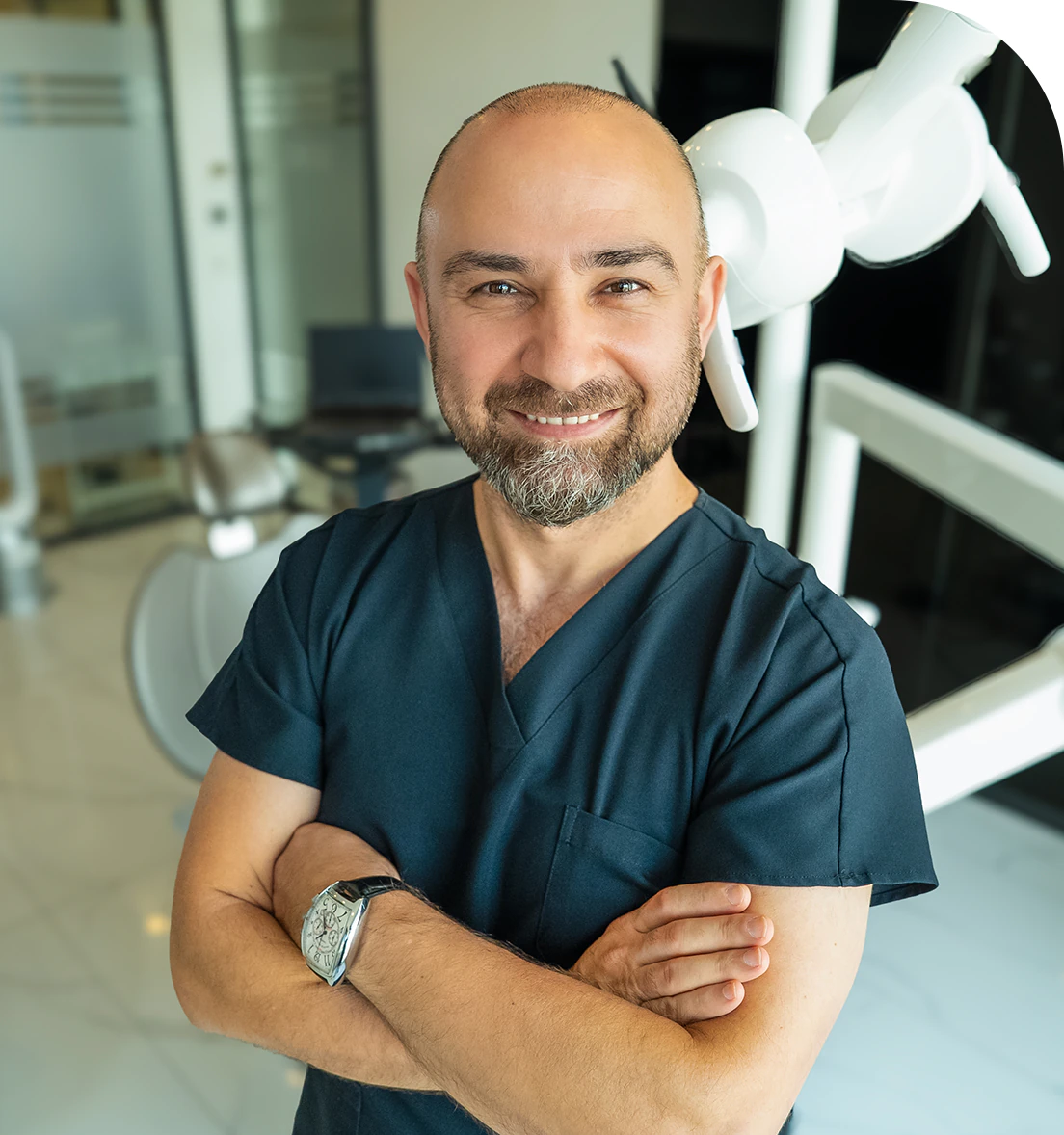
Dr. Dt. Ömer Atar provides care at his private clinic in Istanbul, combining his academic background and many years of clinical experience in dentistry. With a treatment approach that integrates aesthetic and functional solutions, he aims to achieve natural, balanced, and long-lasting results through personalized planning for each patient. Dr. Atar completed his education at the Marmara University Faculty of Dentistry, which he began in 1994, graduating in 2000. He continued his academic work in the Department of Prosthodontics at the same university. In 2007, he earned his PhD degree with his scientific thesis on implants and implant-supported prostheses in patients undergoing distraction osteogenesis. His academic expertise deepened in the fields of metal-free aesthetic systems, implant-supported prostheses, and cosmetic dentistry. Integrating modern technologies and digital dentistry into his practice, Dr. Ömer Atar achieves high success rates in treatments such as smile design, All-on-4/All-on-6 implant treatments, laminate veneers, zirconium crowns, teeth whitening, and gingival aesthetics (gummy smile). As a member of EDAD (Turkish Academy of Aesthetic Dentistry), he embraces a holistic approach focused on modern, functional, and natural outcomes in aesthetic dentistry.


